Go deeper into
Persian craft.
A growing illustrated library about Persian art history, making techniques, materials, motifs, regional traditions, interiors, care and collecting. Built for curious buyers, design lovers and anyone who wants to understand the object before owning it.
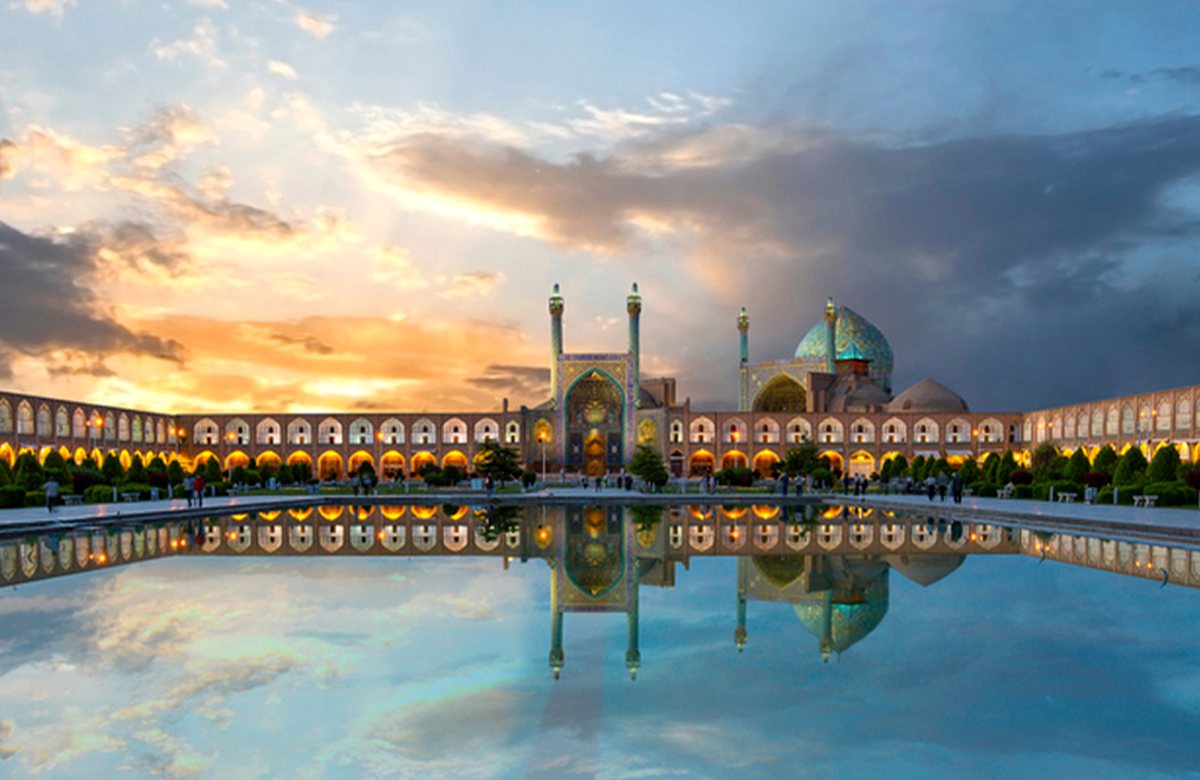
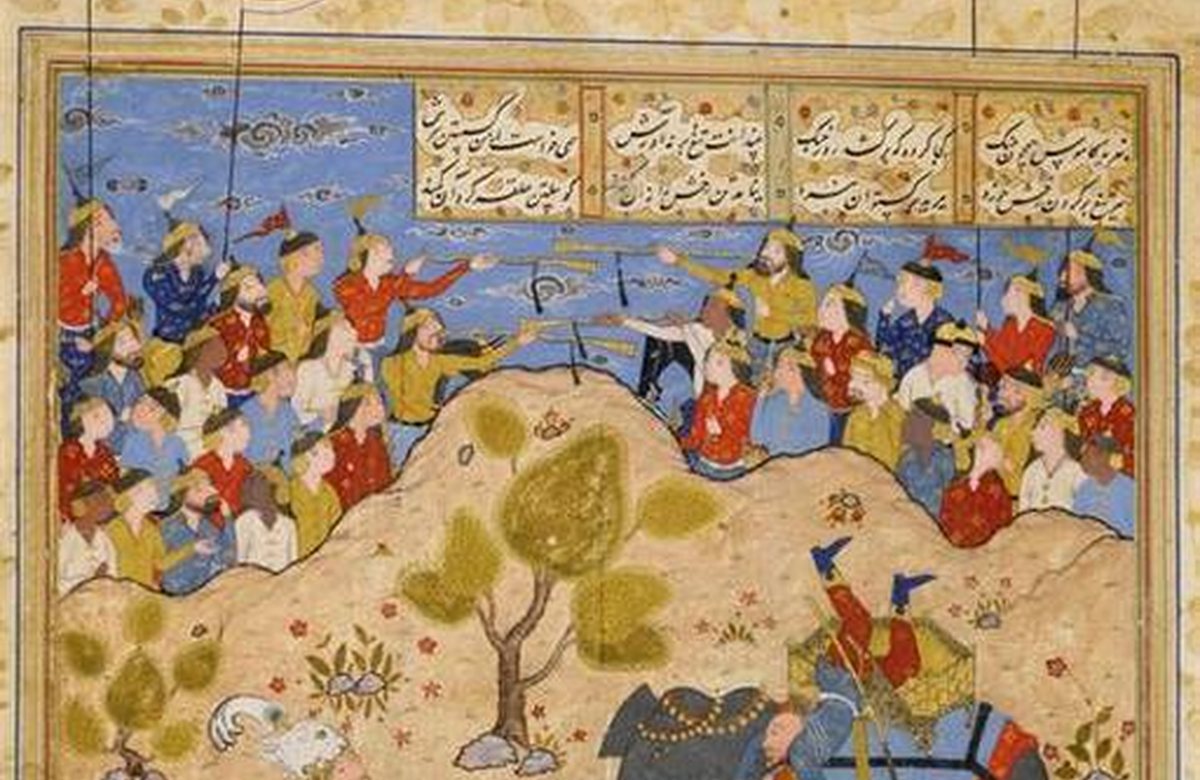
Persian Art History: A Concise Introduction
A clear introduction to Persian art from ancient Iran through the Islamic and Safavid periods to living craft traditions today.
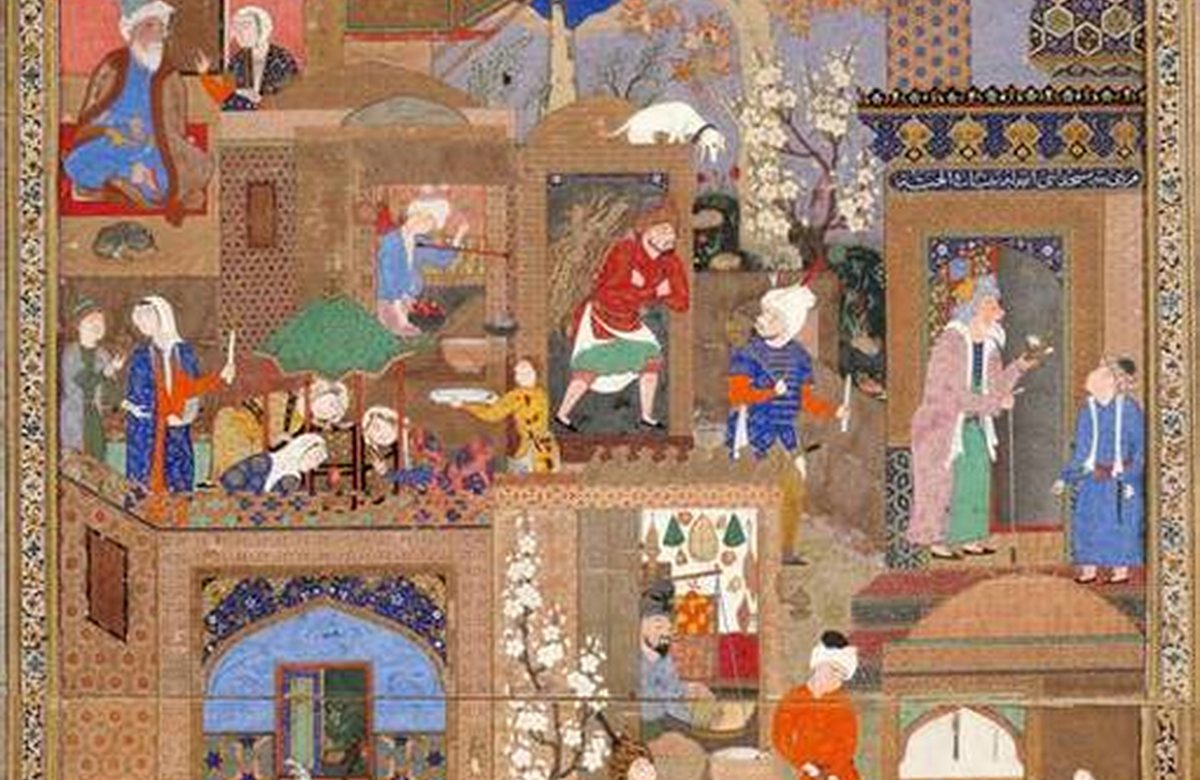
Ancient Persia and the Visual Language of Empire
How architecture, relief, metalwork and ceremonial imagery helped communicate power across the ancient Persian empires.
Achaemenid Design: Stone, Relief and Procession
A closer look at Achaemenid visual culture, from monumental stone architecture to carefully ordered processional reliefs.
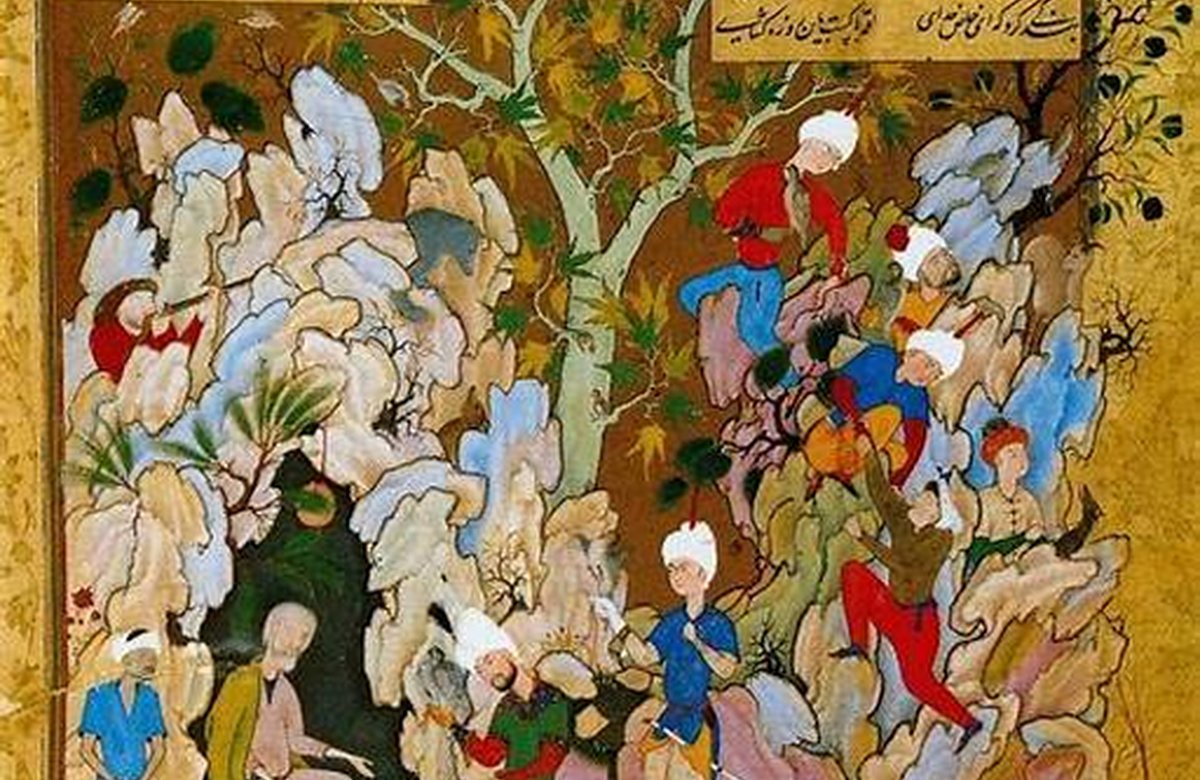
Sasanian Silver and the Art of Royal Imagery
Why Sasanian silver vessels, courtly scenes and animal imagery remain central to the study of late antique Persian art.
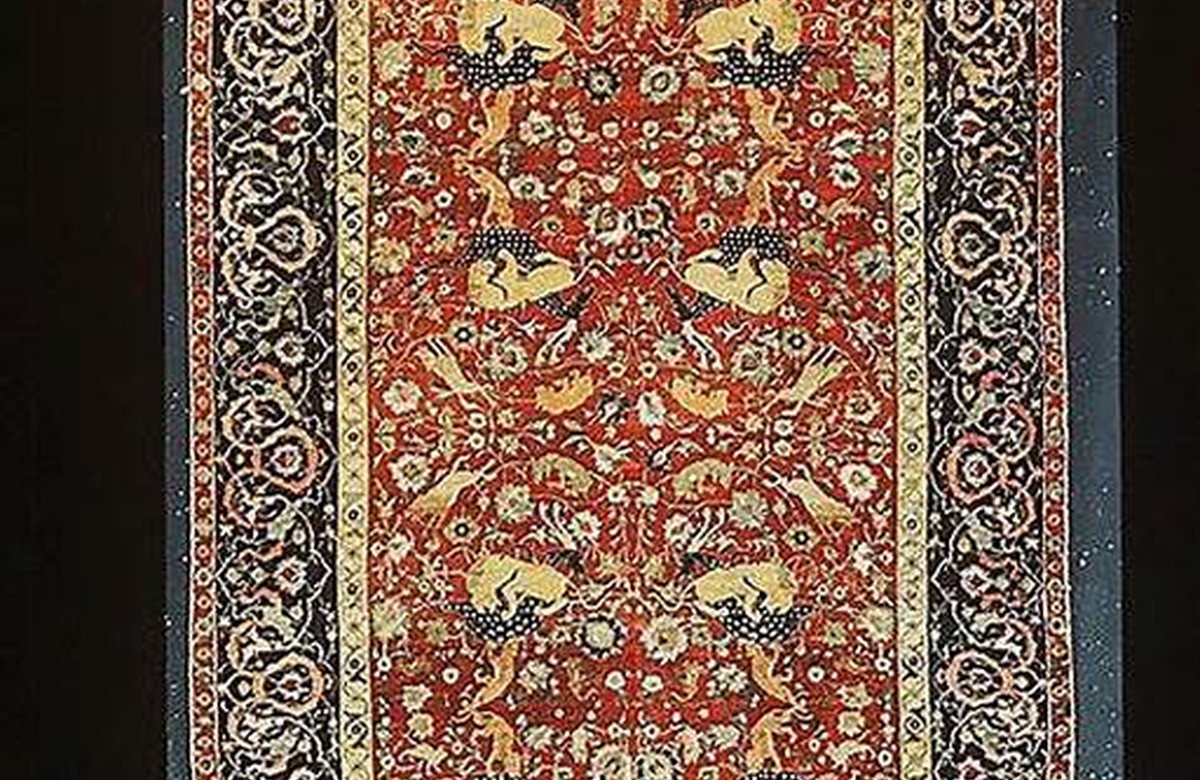
How Silk Road Exchange Shaped Persian Design
Persian art was never isolated: trade routes carried materials, motifs and techniques across Central Asia, China, India and the Mediterranean.

The Rise of Islamic Persian Art
How Persian artistic traditions adapted within the Islamic world while developing distinctive approaches to architecture, ceramics, manuscripts and ornament.
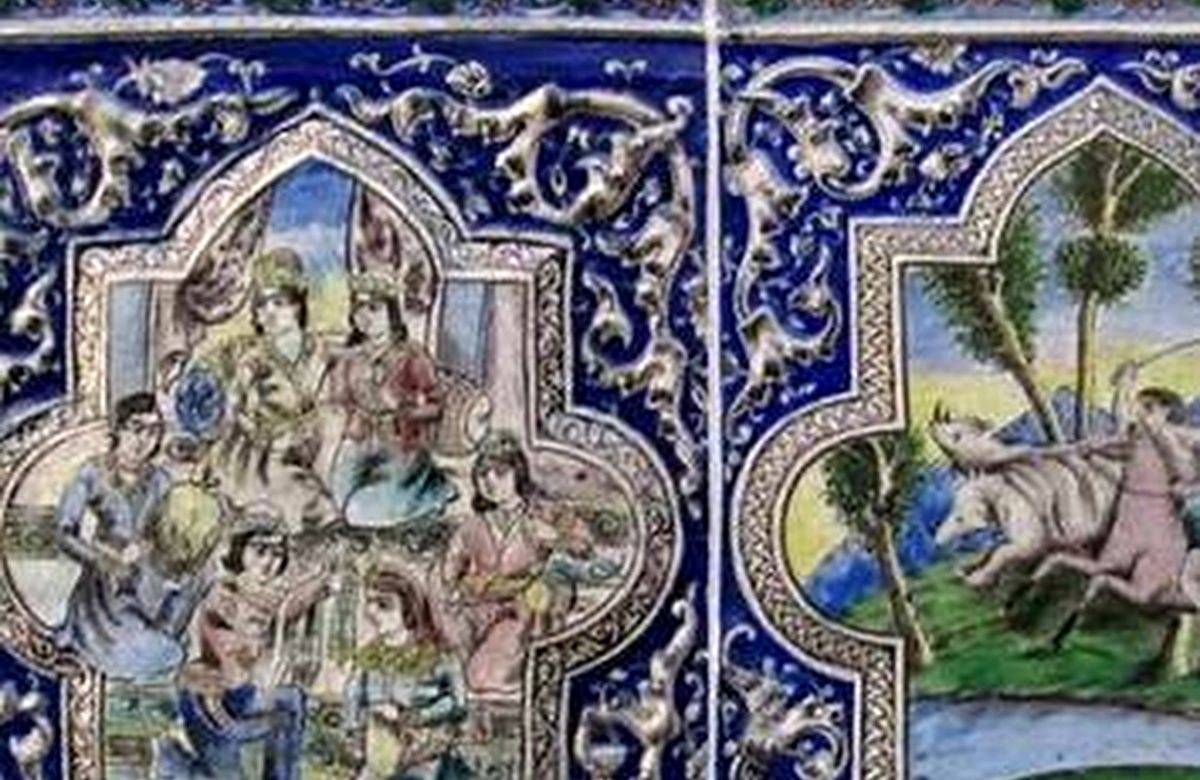
Timurid Workshops and the Arts of the Book
The Timurid courts brought painters, calligraphers and book artisans together in workshops that transformed Persian manuscript culture.
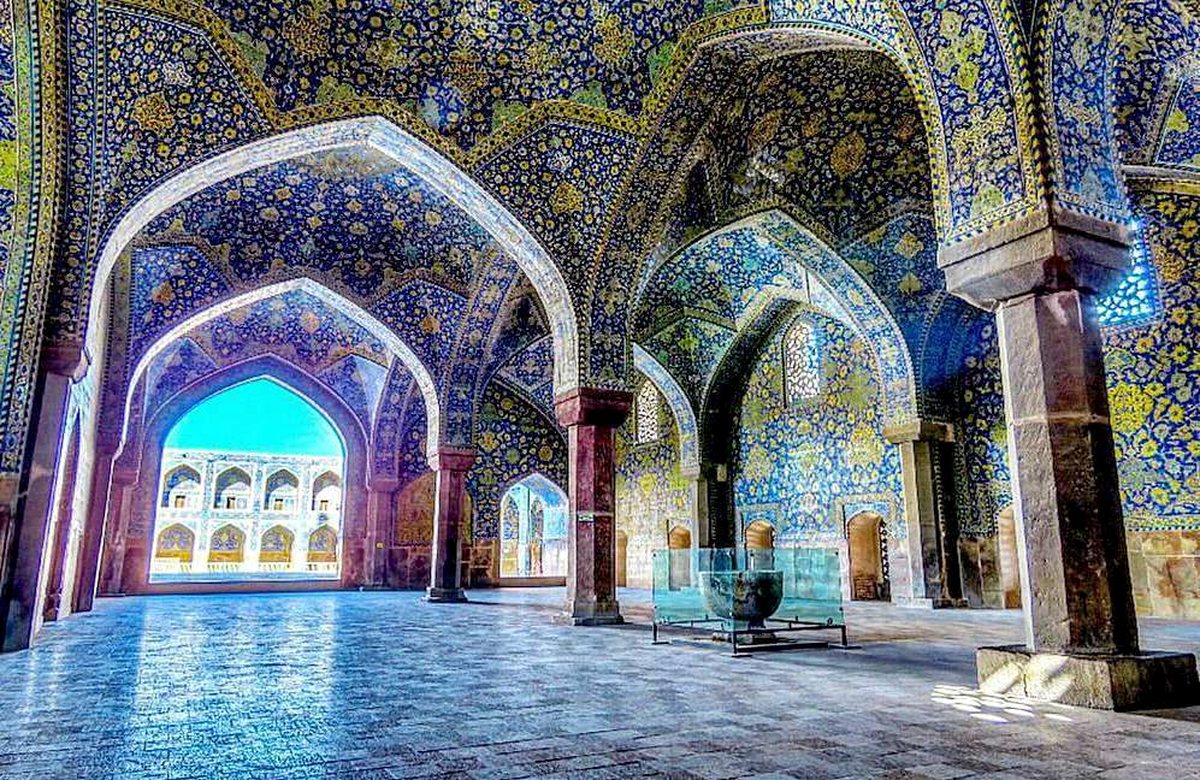
Safavid Art: Colour, Court and Craft
A guide to the Safavid period, when royal patronage, urban development and workshop culture helped shape some of the best-known forms of Persian art.
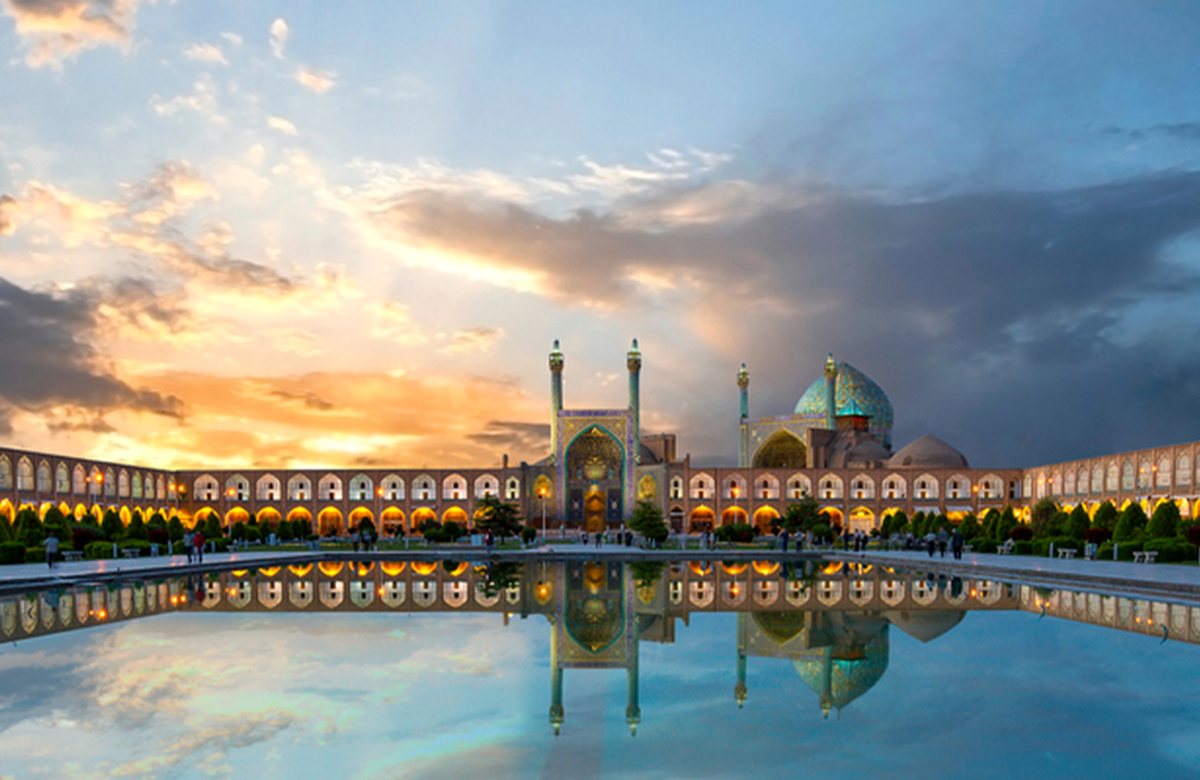
Shah Abbas and the Making of a Visual Capital
How Shah Abbas I used architecture, trade and patronage to make Isfahan one of the great artistic centres of the early modern world.
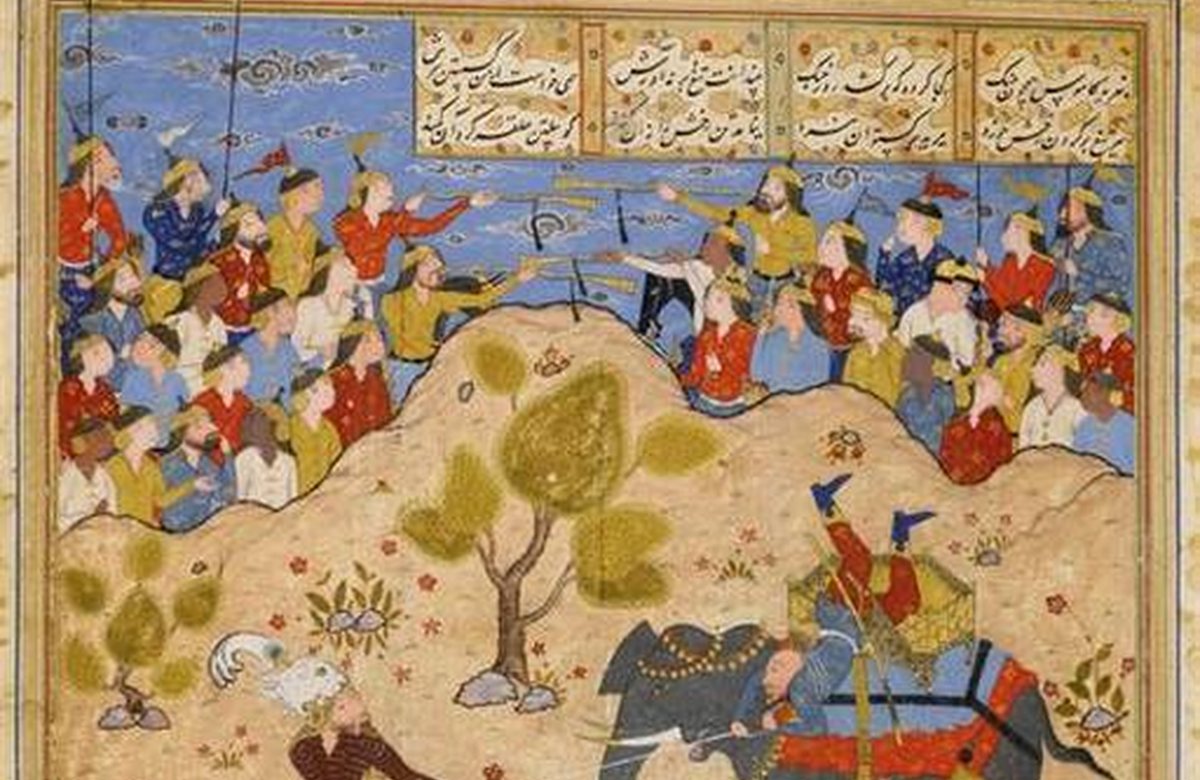
Qajar Art: Portraiture, Revival and Modernity
Qajar artists balanced courtly portraiture, revived earlier Persian styles and responded to photography and European visual culture.
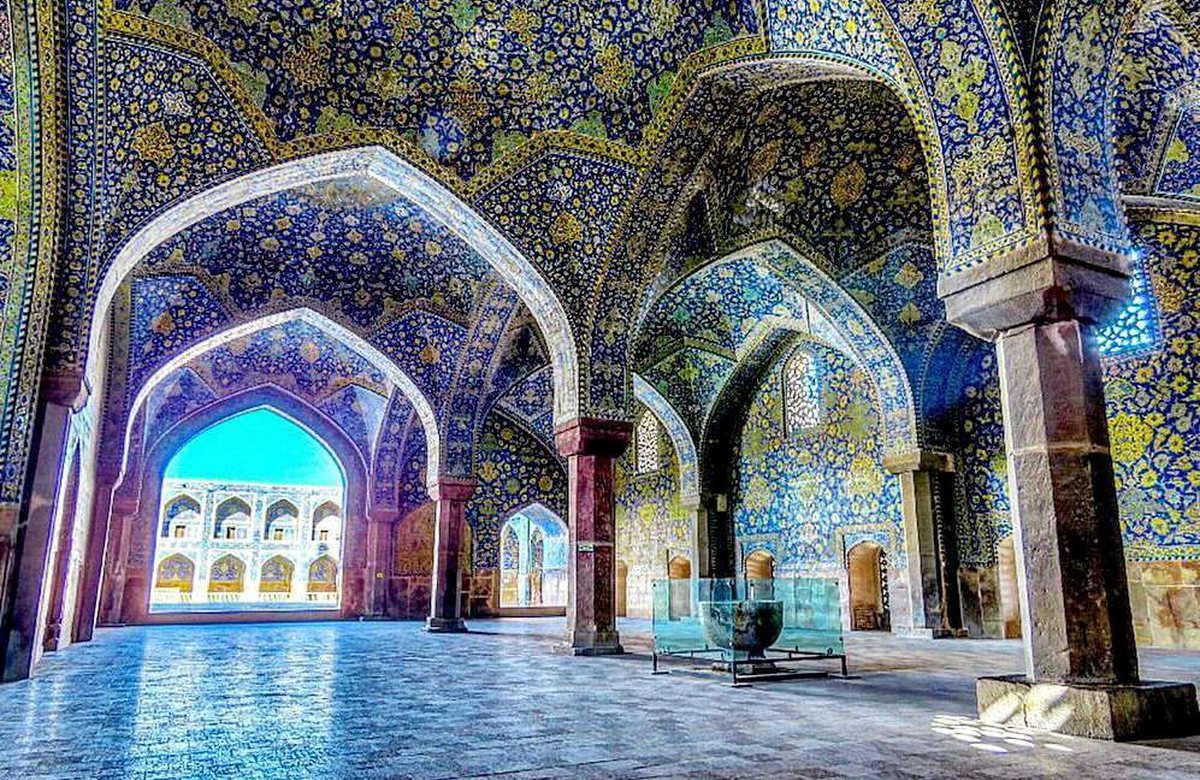
Persian Gardens as a Design Idea
Persian gardens turn water, shade, geometry and controlled views into a complete design language that influenced art far beyond landscape.
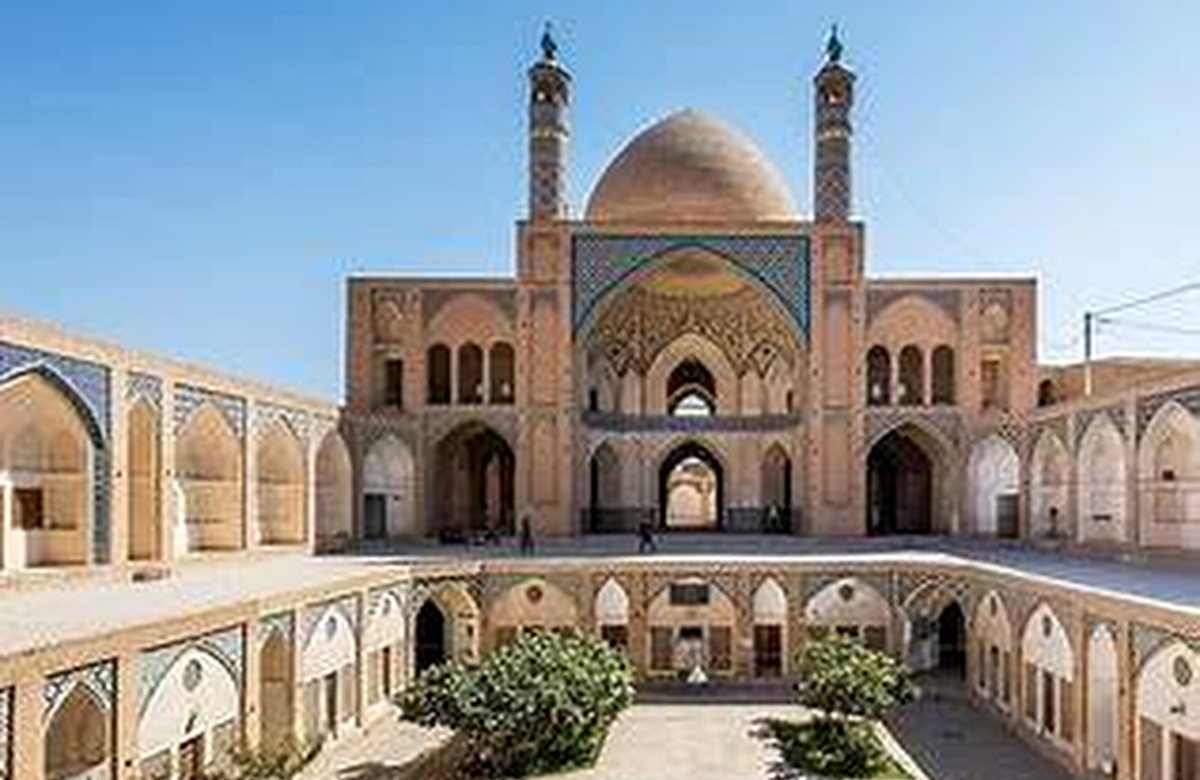
Persian Architecture: Geometry, Light and Surface
A practical way to read Persian architecture through proportion, courtyards, tilework, reflected light and richly worked surfaces.
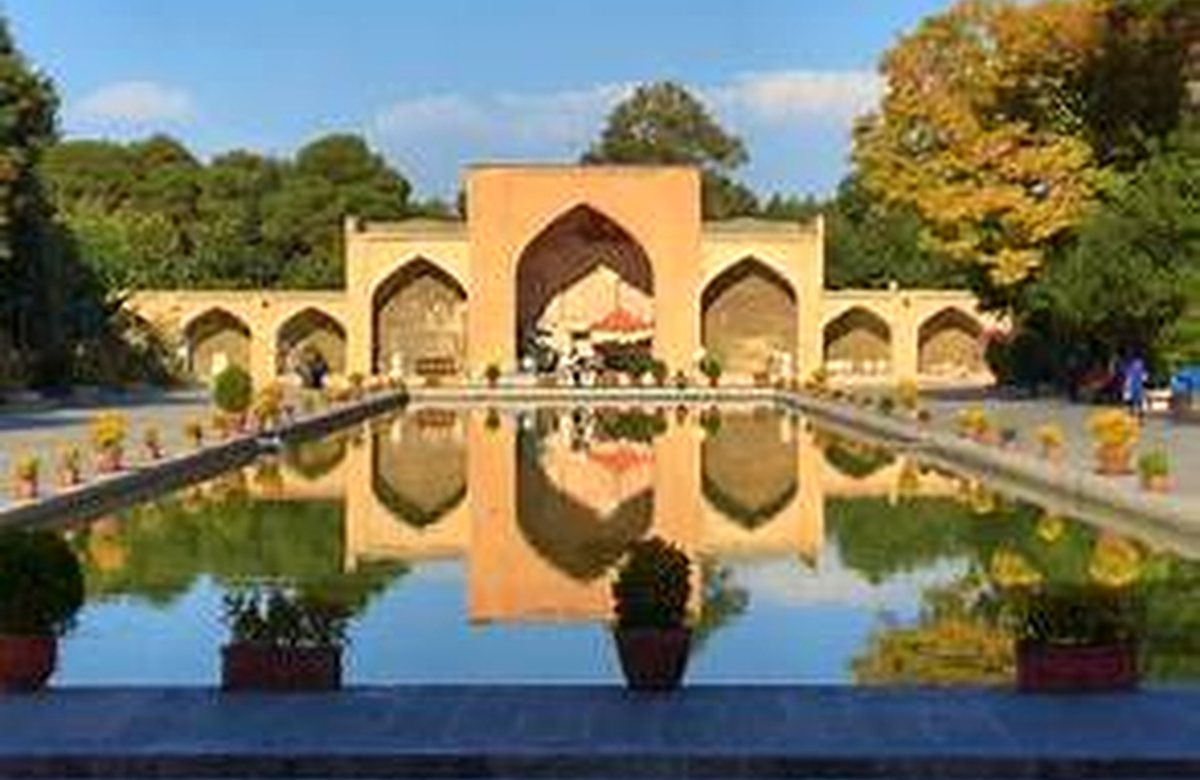
Persian Bazaars and the Craft Economy
Bazaars were more than shopping streets: they connected workshops, merchants, materials, patrons and everyday urban life.
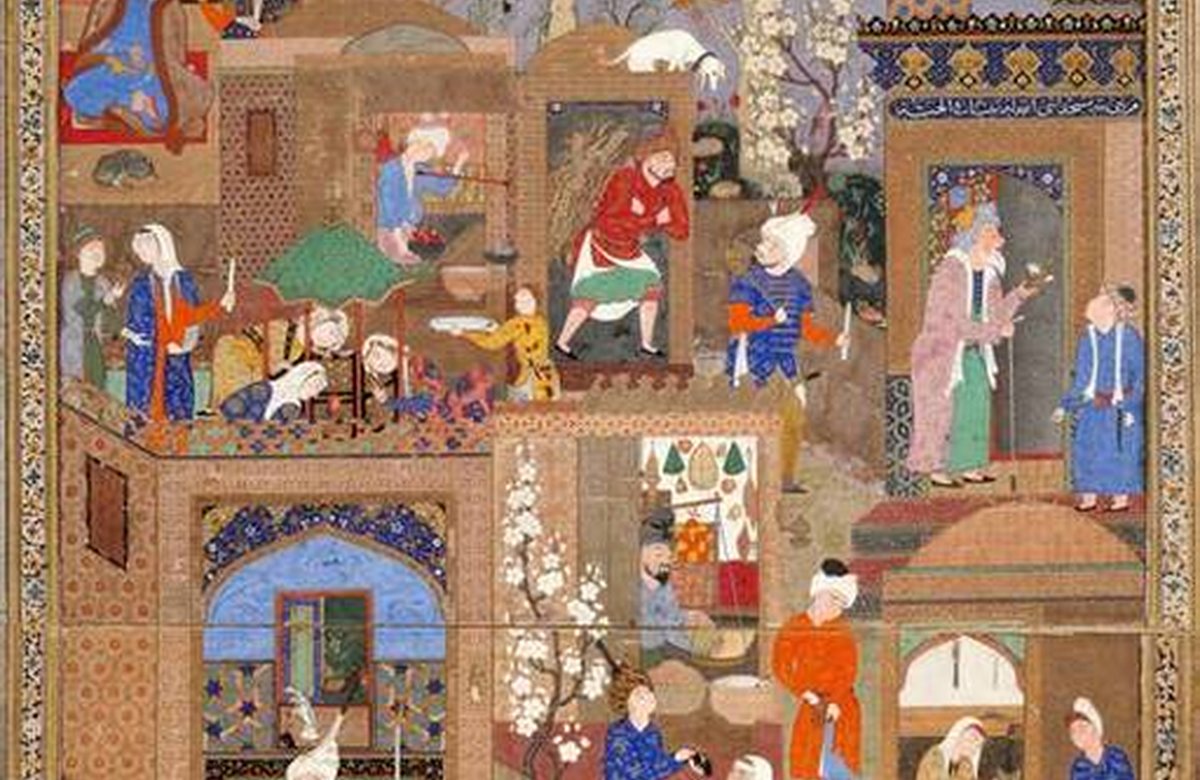
Calligraphy in Persian Visual Culture
Why the written word became one of the most sophisticated visual arts in Persian culture, appearing in books, architecture and objects.
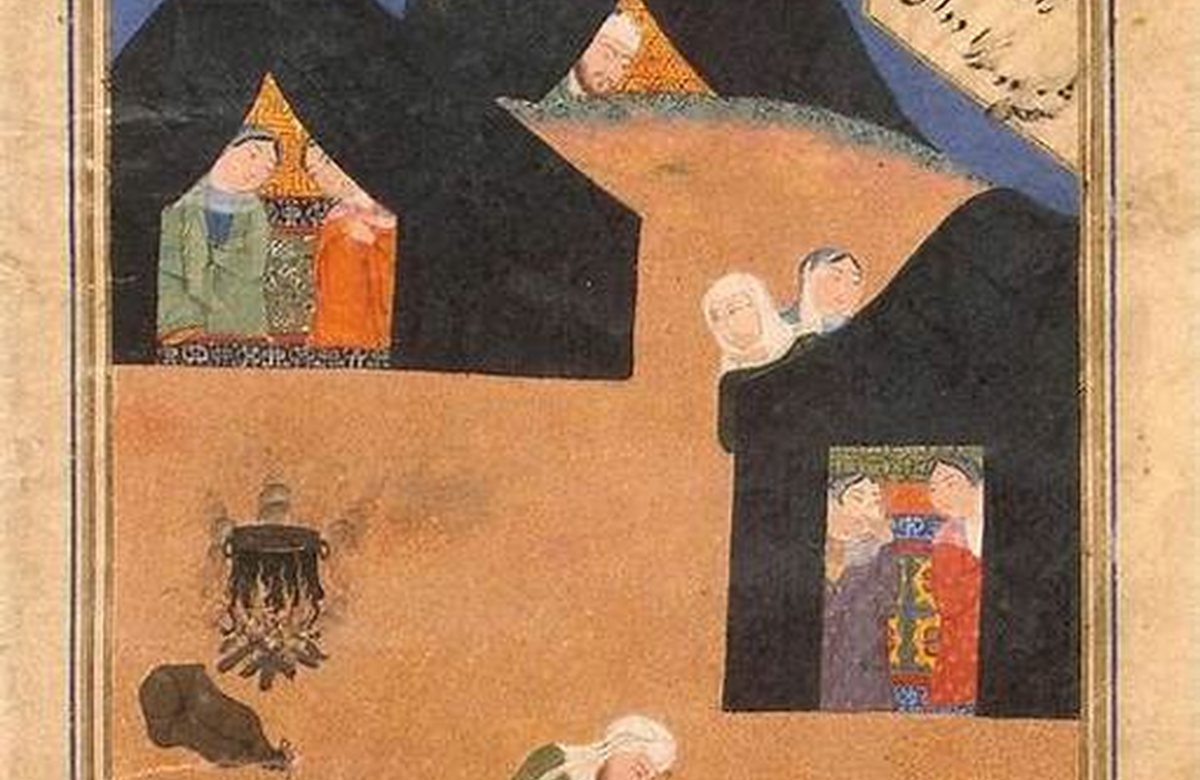
The Shahnameh and the Art of Storytelling
How illustrated copies of the Shahnameh became laboratories for painting, page design, calligraphy and visual storytelling.
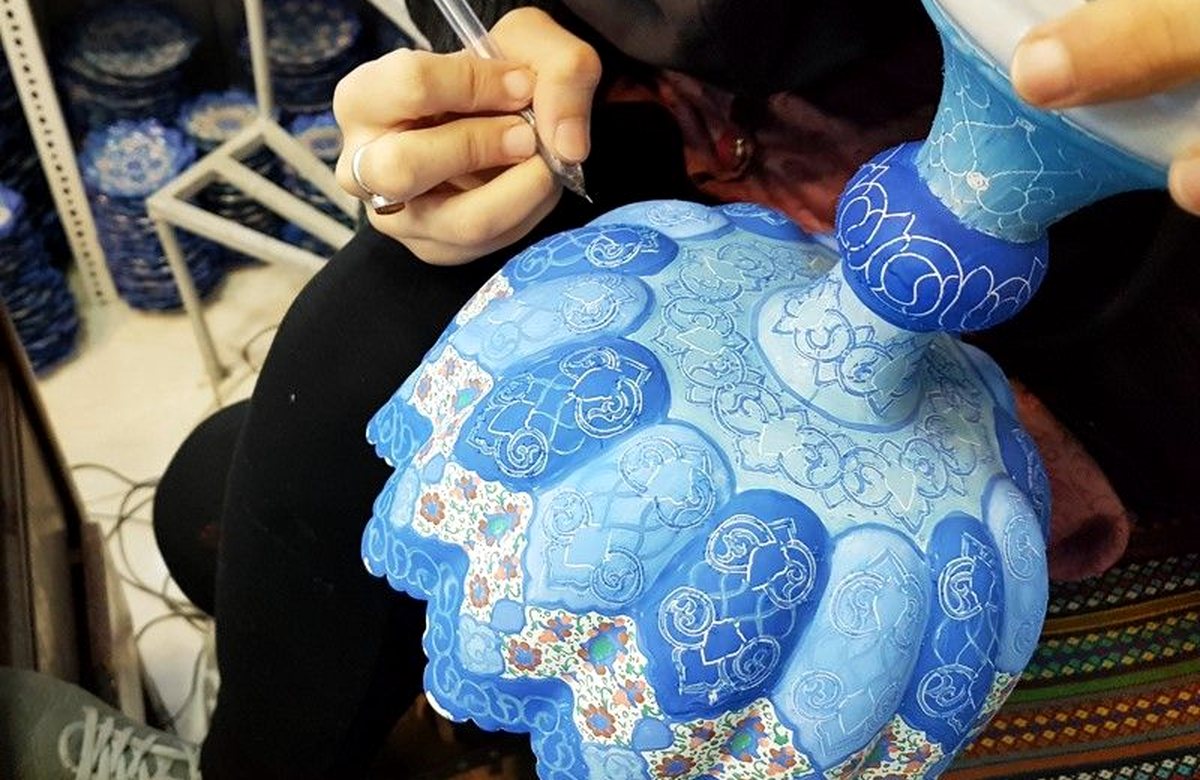
Minakari: A Guide to Persian Enamel
What minakari is, how enamel colour is built on metal, and what to notice when choosing a hand-painted piece.
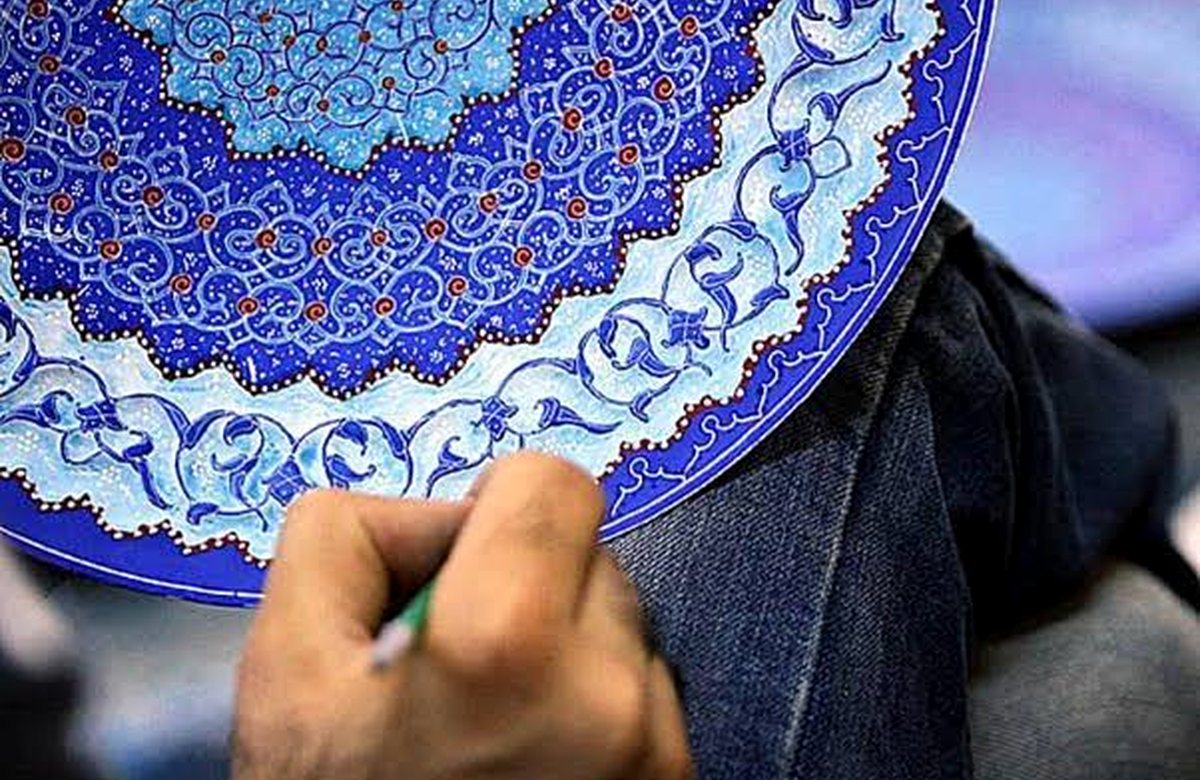
How Minakari Is Made: From Copper to Kiln
Follow the main stages of minakari, from forming and preparing the metal to enamel, fine painting and repeated firing.
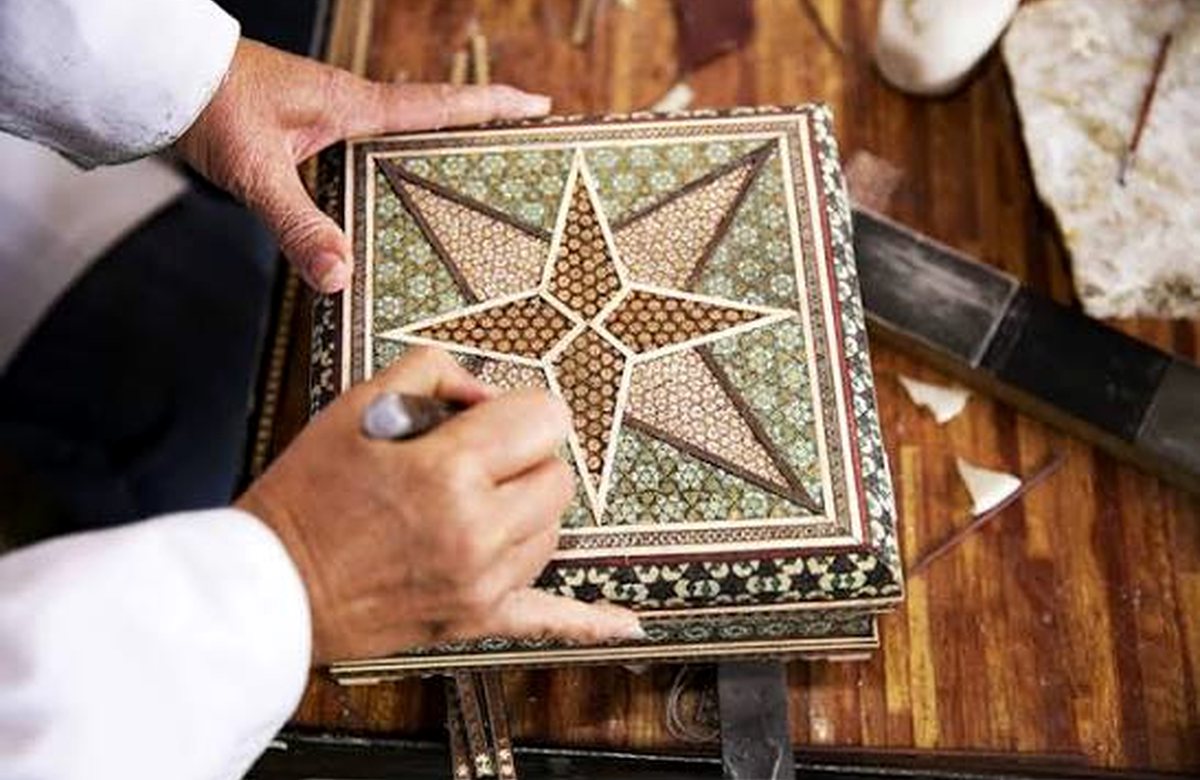
Khatamkari: The Geometry of Persian Marquetry
Discover how tiny pieces of wood, bone and metal become the dense geometric surfaces associated with Persian khatam.
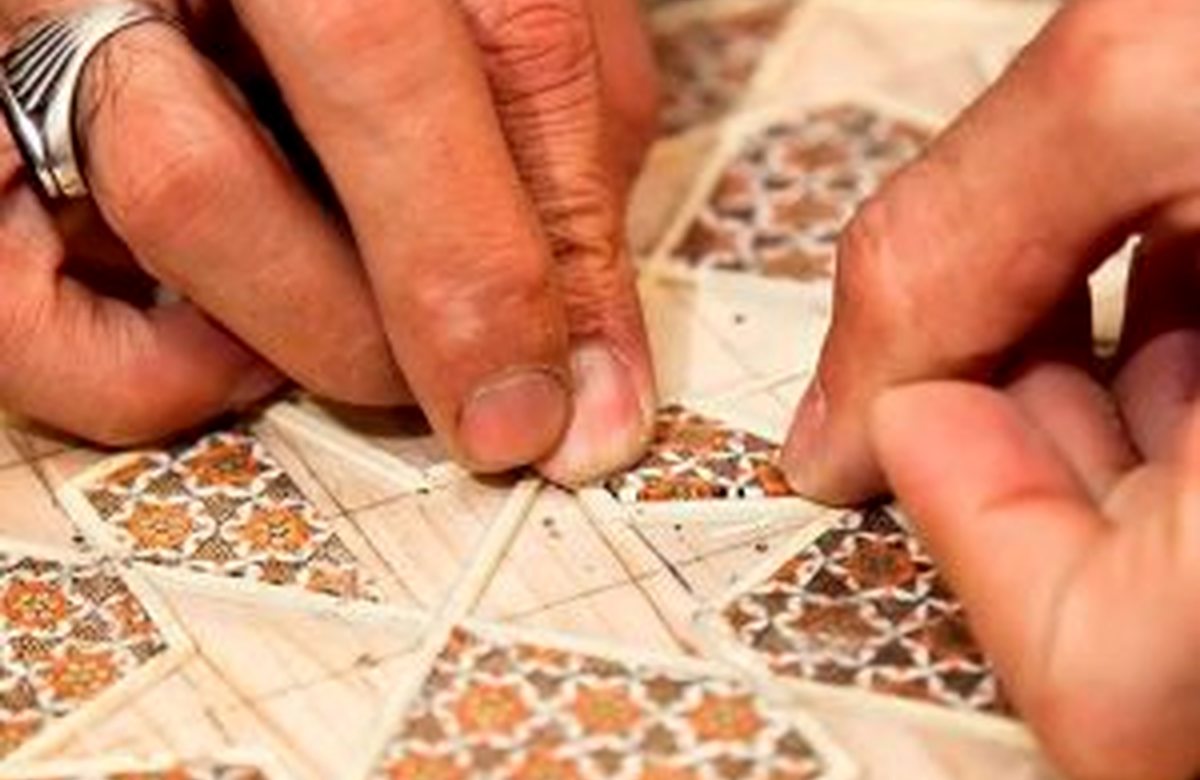
How Khatam Geometry Is Built
A step-by-step look at the bundles, slices and repeating polygons that make khatam patterns appear impossibly precise.
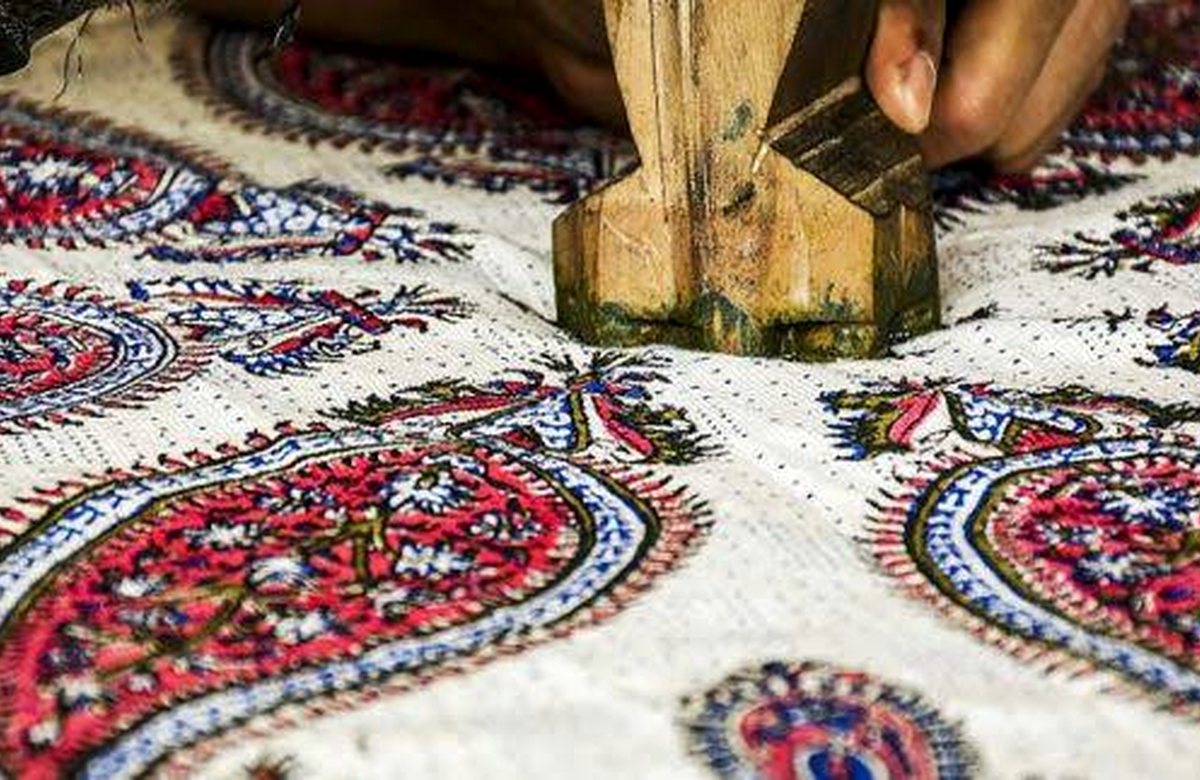
Qalamkar: Persian Hand-Printed Textile
Learn how carved blocks, repeated registration and layered colour create the patterned cotton textiles known as qalamkar.
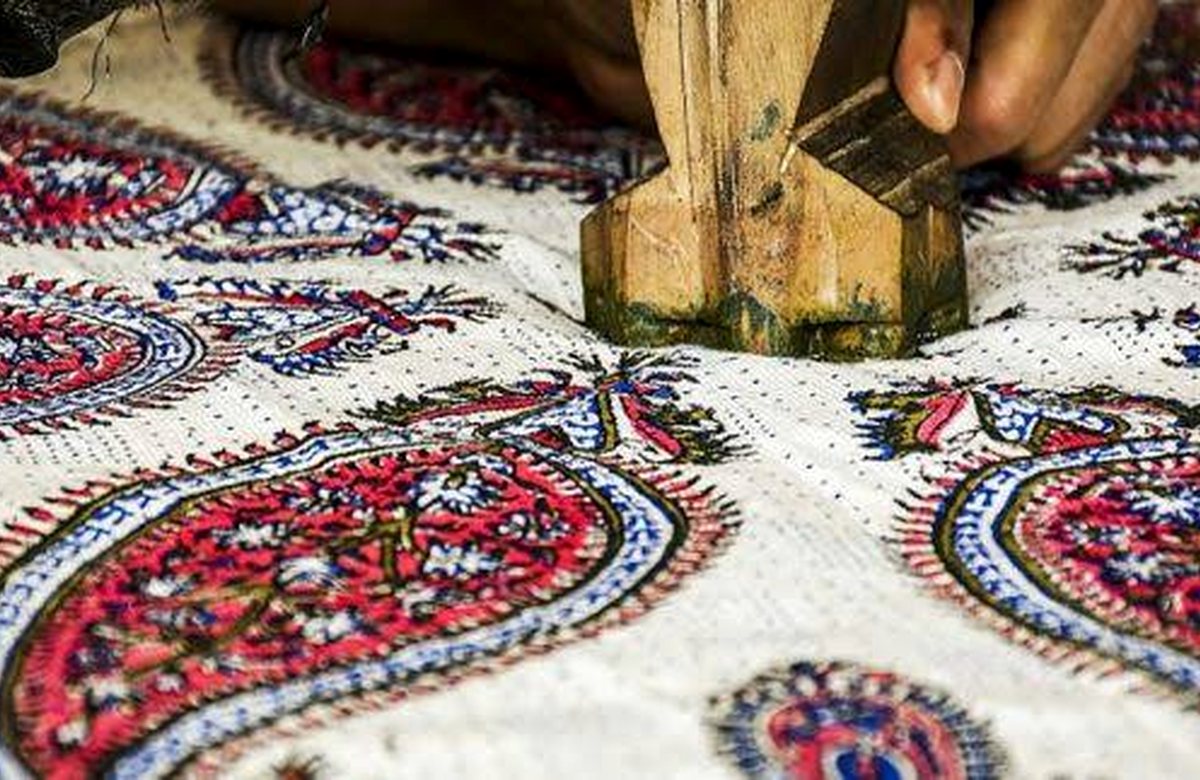
How Qalamkar Block Printing Works
From carved wooden blocks to repeated impressions, this guide explains the logic and rhythm behind hand-printed qalamkar cloth.
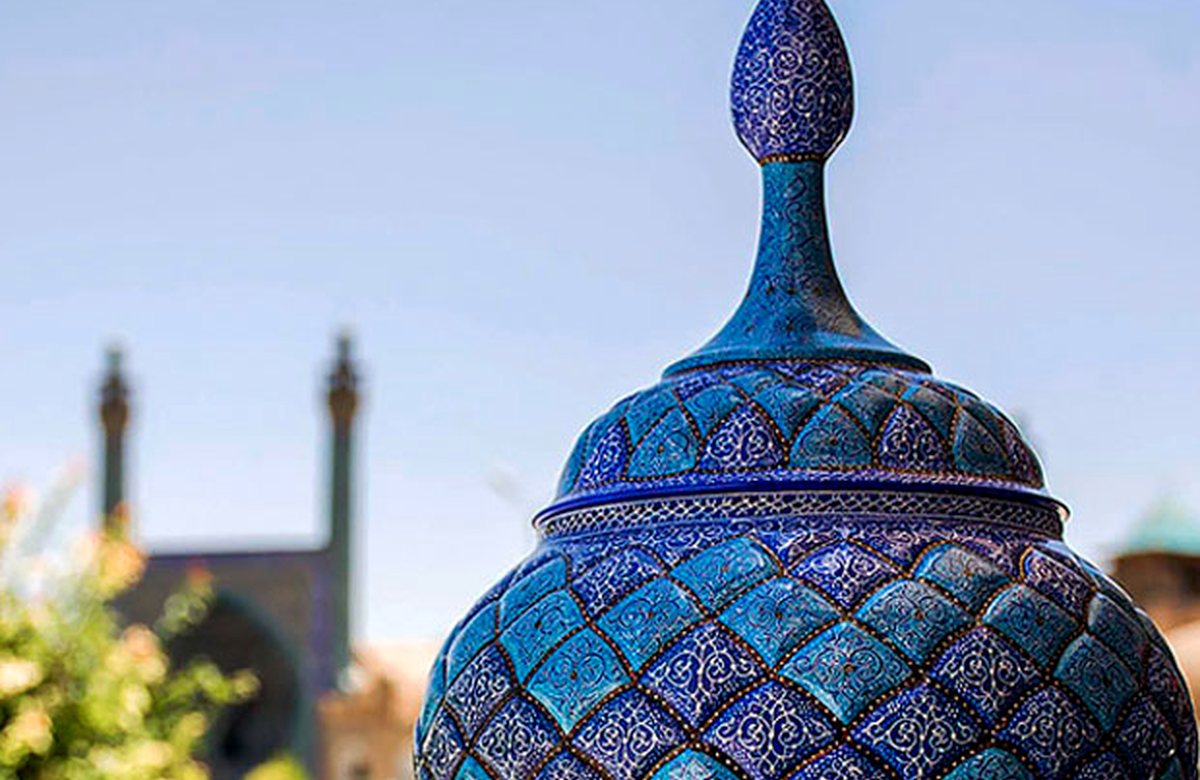
Firoozeh-Koobi: Turquoise Inlay on Copper
A guide to firoozeh-koobi, where small turquoise fragments are set densely across copper forms and polished into a jewel-like surface.
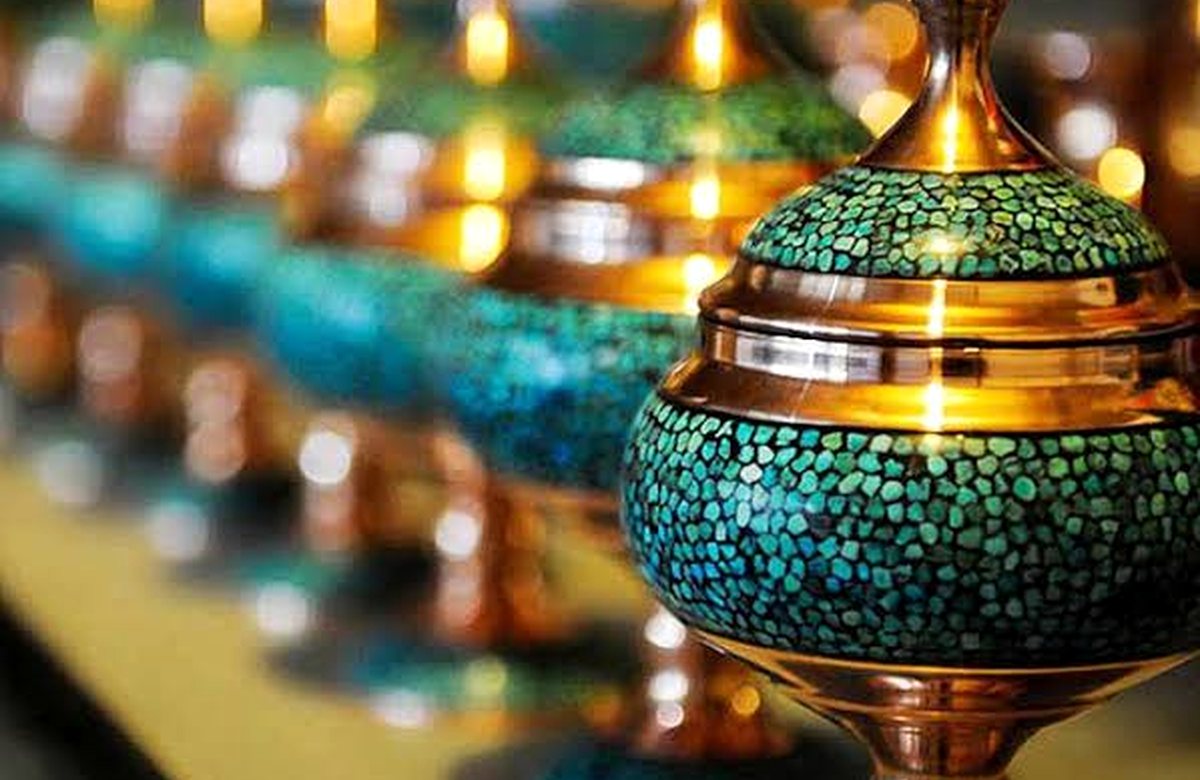
How Turquoise Inlay Is Made
See how copper preparation, stone selection, placement and finishing come together in turquoise-inlaid Persian decorative objects.
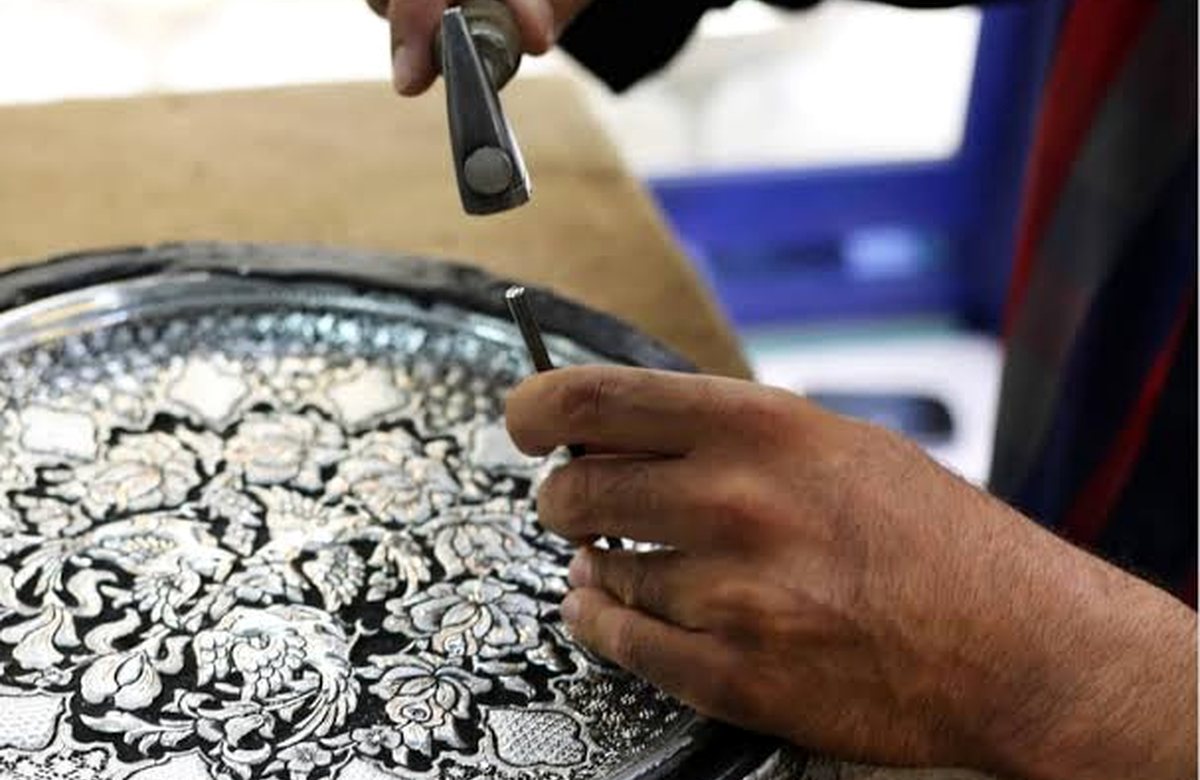
Ghalamzani: A Guide to Persian Metal Engraving
Understand ghalamzani through its chisels, hammered surfaces, linework and the slow accumulation of engraved detail.
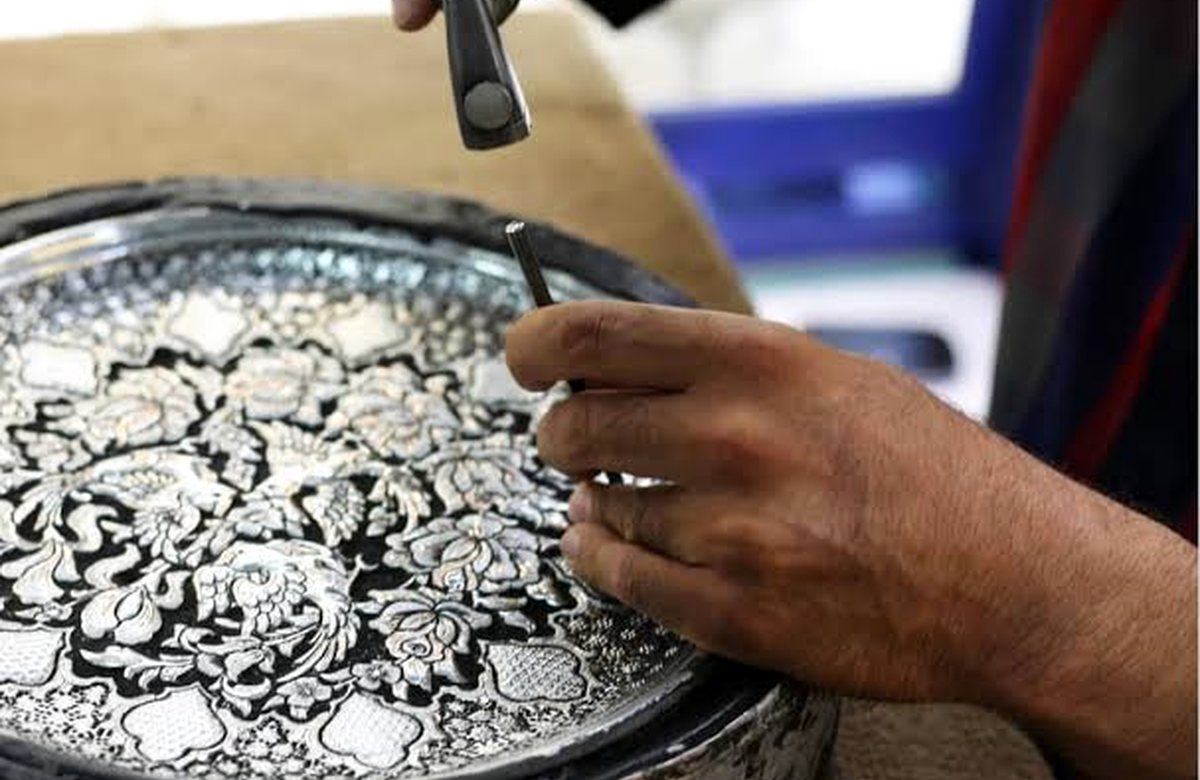
How Persian Metal Engraving Is Done
A workshop-focused explanation of how a metal surface is prepared, drawn, chased and engraved by hand.
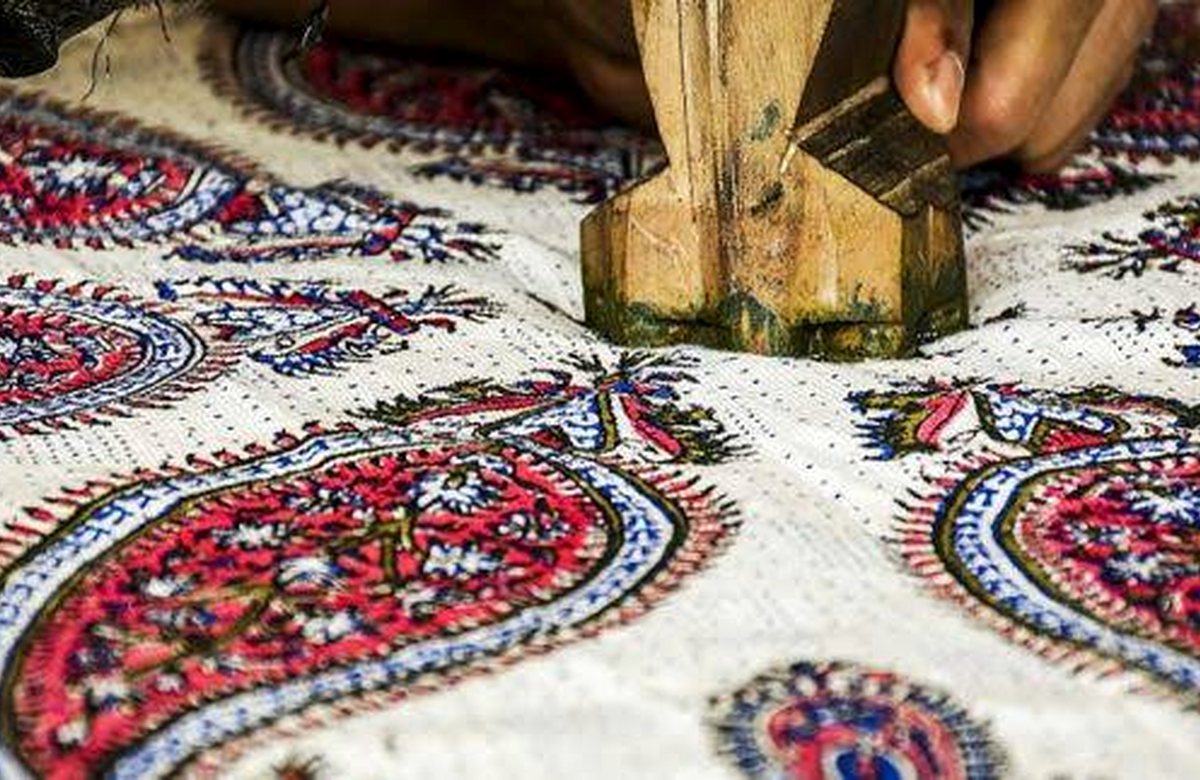
Persian Carpet Weaving: A Beginner’s Guide
An introduction to warp, weft, pile, knotting, materials and the regional diversity behind Persian carpets.
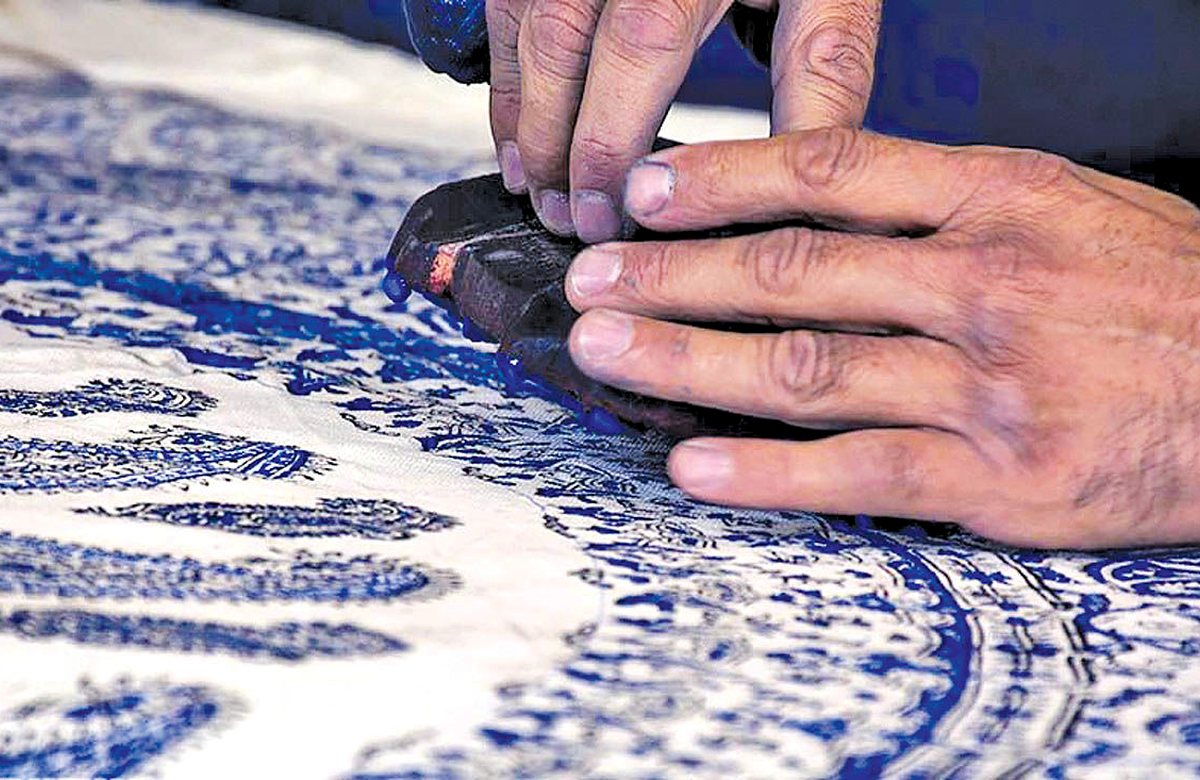
Kashan Carpet Weaving Traditions
Why Kashan became closely associated with finely structured carpets and how weaving knowledge is transmitted in the region.
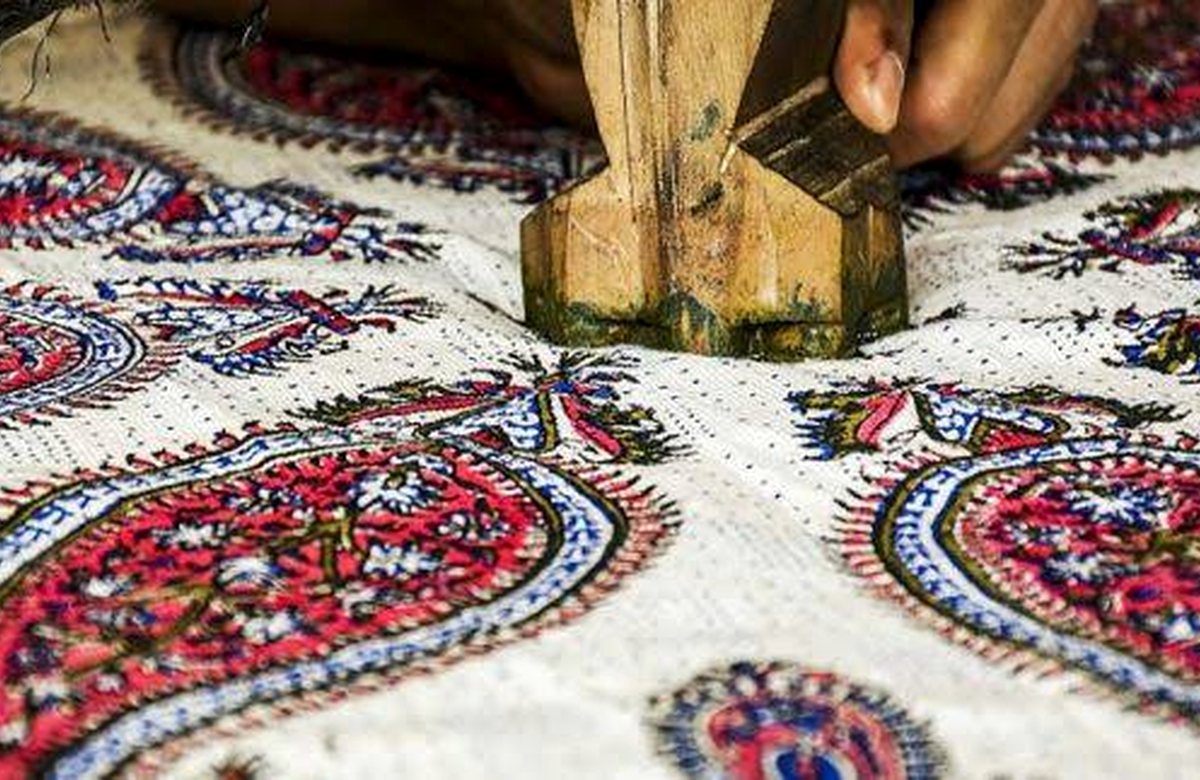
Fars Carpet Weaving Traditions
A look at the mobile looms, wool, colour and design traditions associated with carpet weaving in Fars.
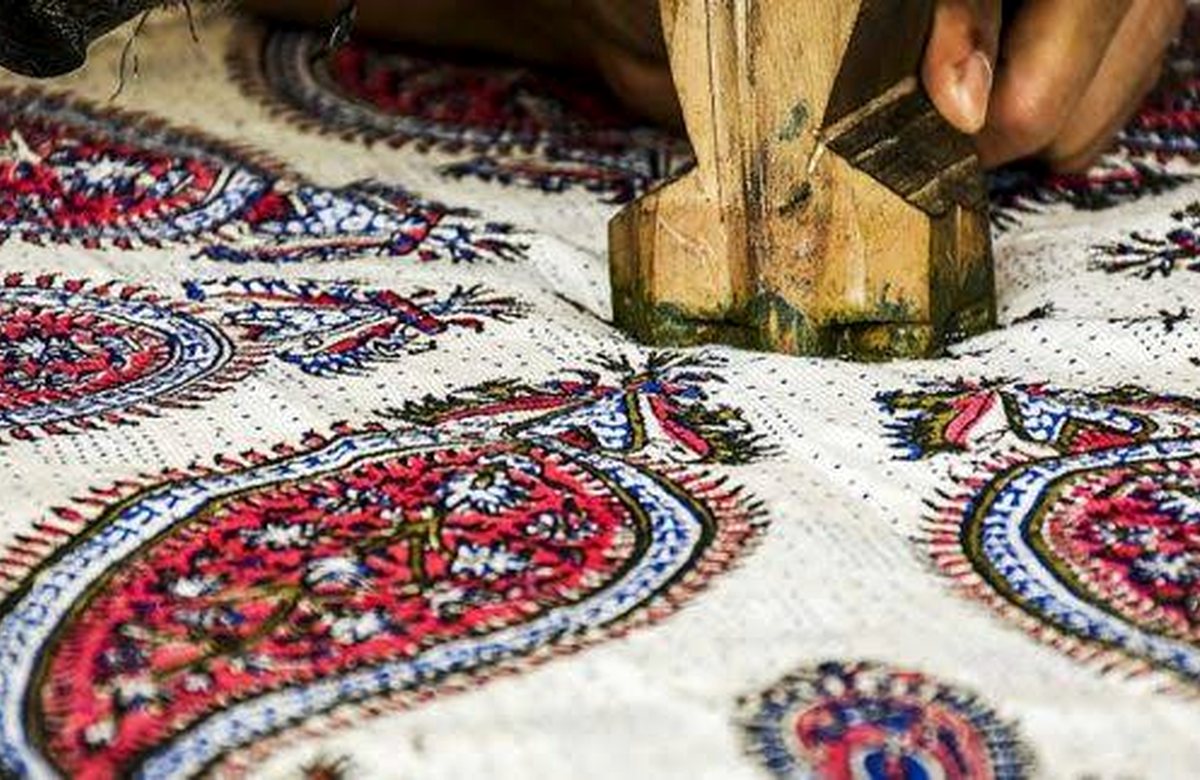
Termeh: The Woven Luxury Textile of Persia
Termeh combines dense pattern, refined weaving and motifs such as the boteh in one of Persia’s most recognisable textile traditions.
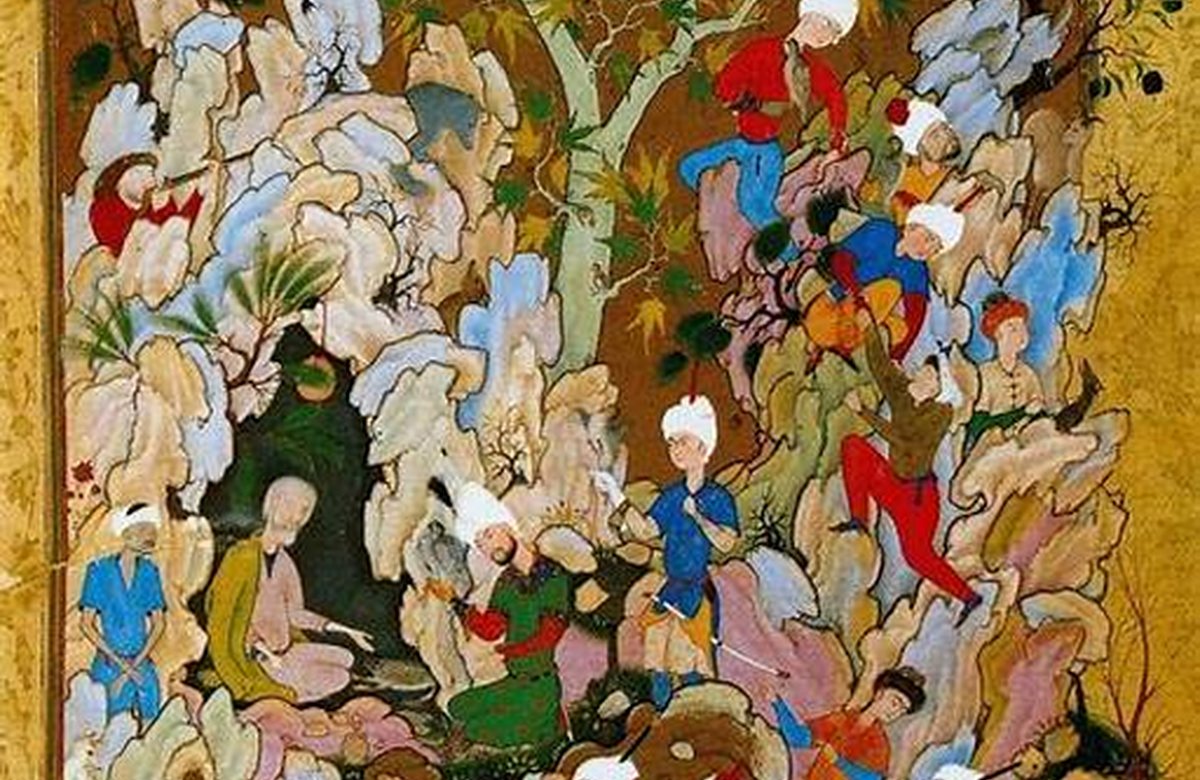
Persian Miniature Painting: How to Look Closely
A guide to scale, composition, colour, architecture and storytelling in Persian manuscript painting.

Persian Ceramics: Glaze, Form and Pattern
Explore the role of glaze, stonepaste, painted decoration and changing tastes in the long history of Persian ceramics.
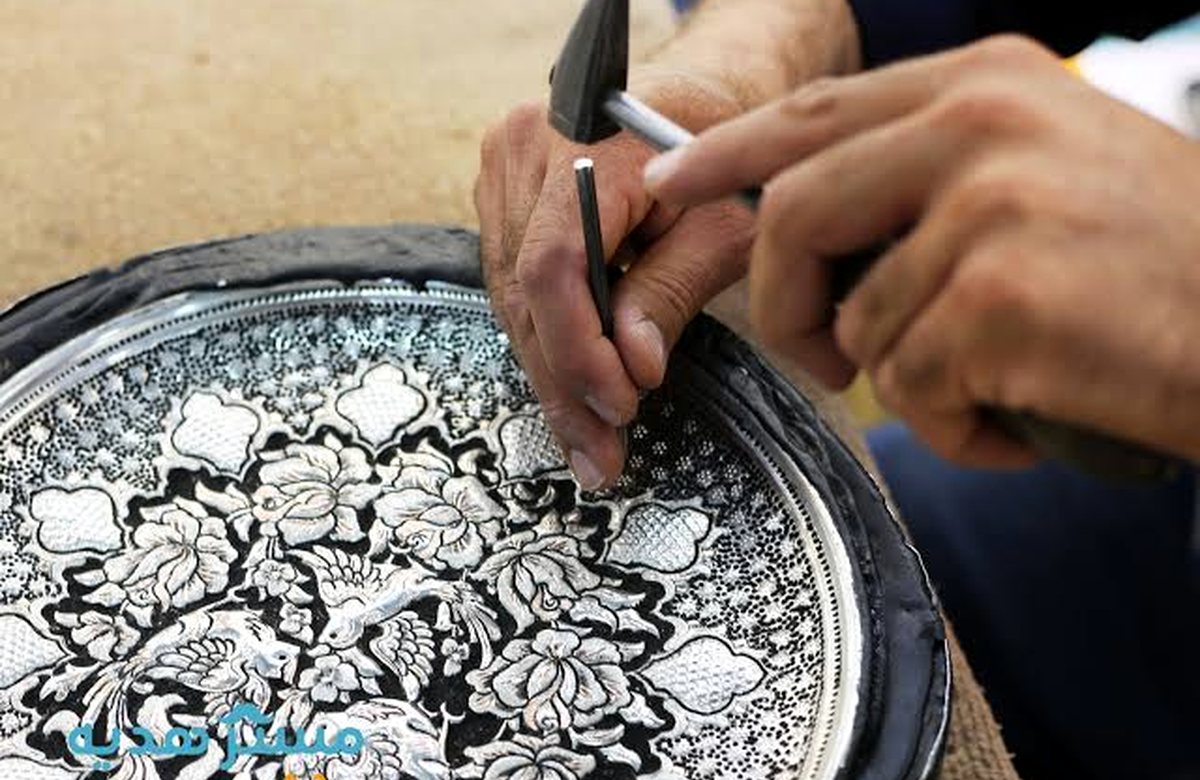
Persian Metalwork: From Utility to Ornament
How copper, brass, steel and precious metals became surfaces for engraving, inlay, repoussé and everyday use.
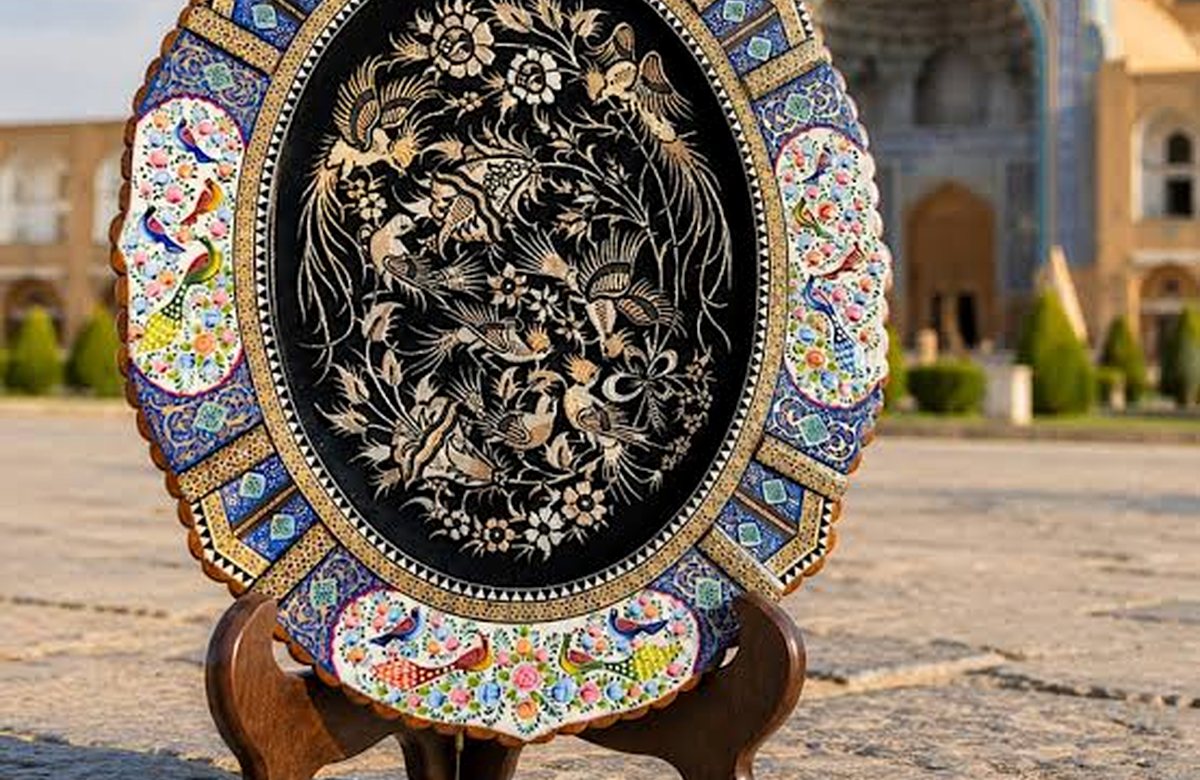
Persian Woodcarving and Inlay
From carved architectural elements to small decorative objects, wood has long supported intricate Persian surface design.
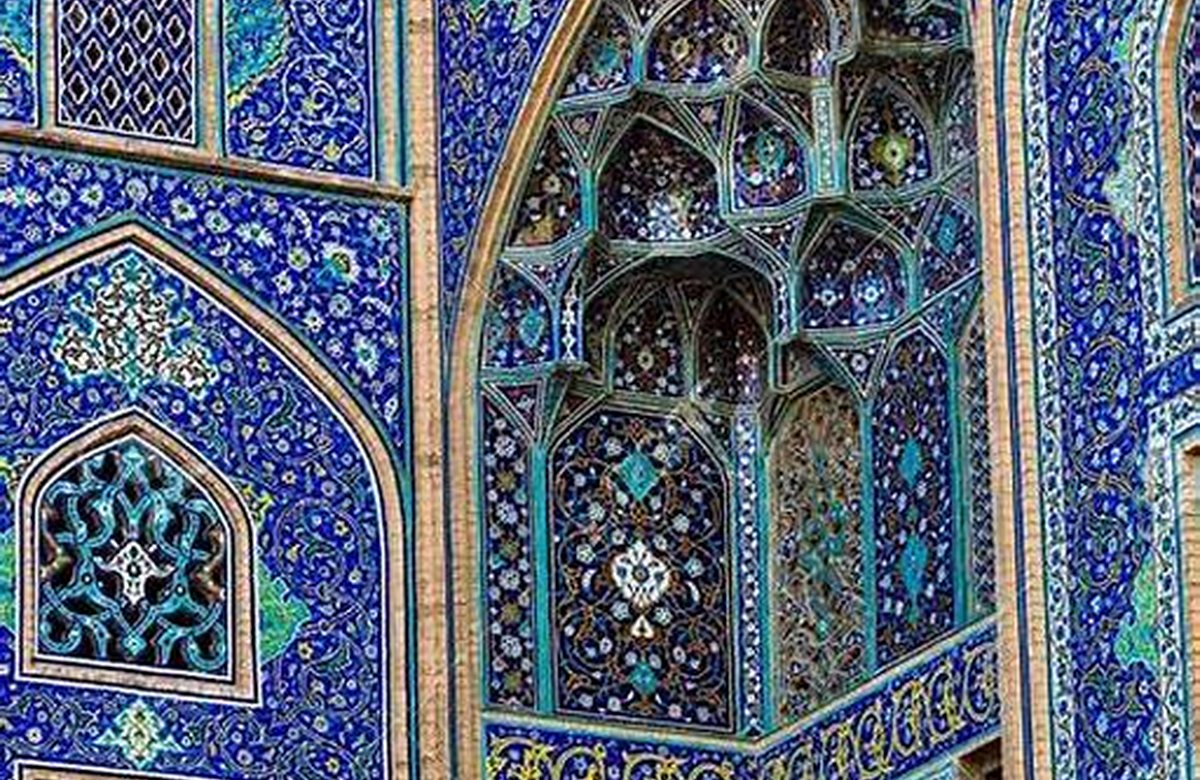
Ayeneh-Kari: The Art of Persian Mirror Work
How small mirrored pieces transform interiors into fields of reflected light, pattern and movement.
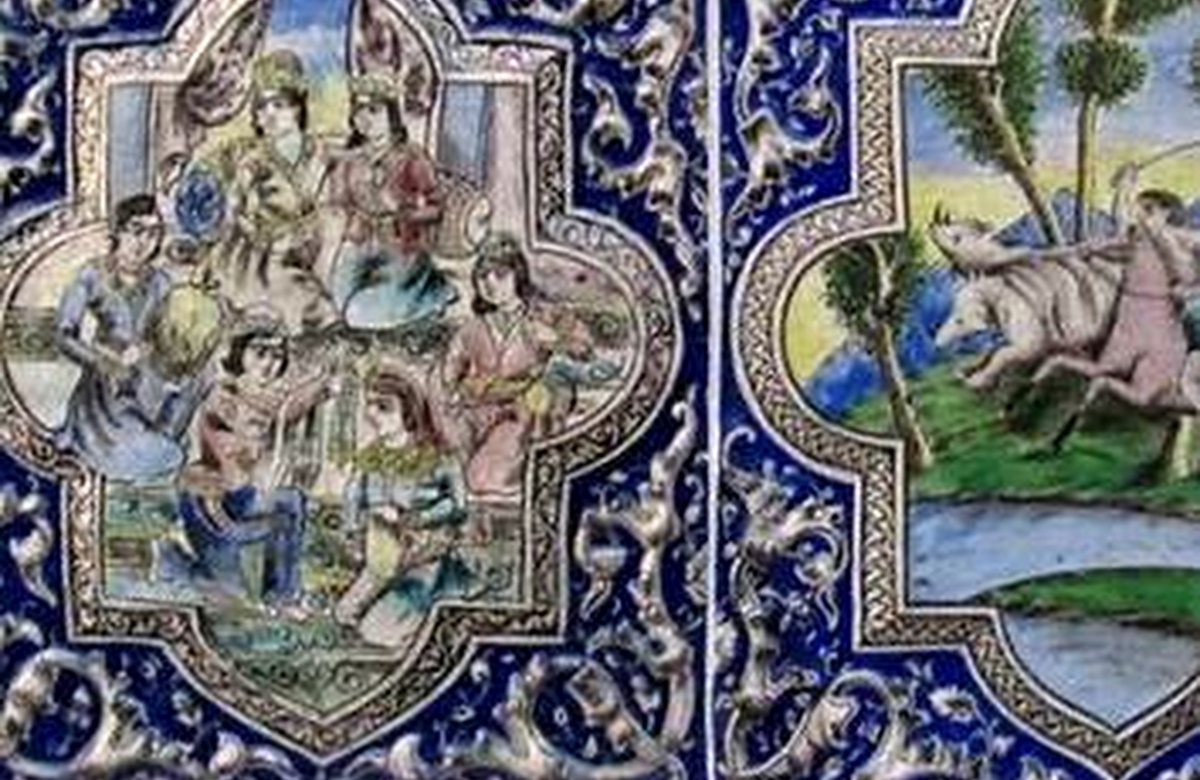
Persian Tilework: Mosaic, Colour and Architecture
A visual guide to Persian tilework, including mosaic approaches, painted tiles and the relationship between pattern and architecture.
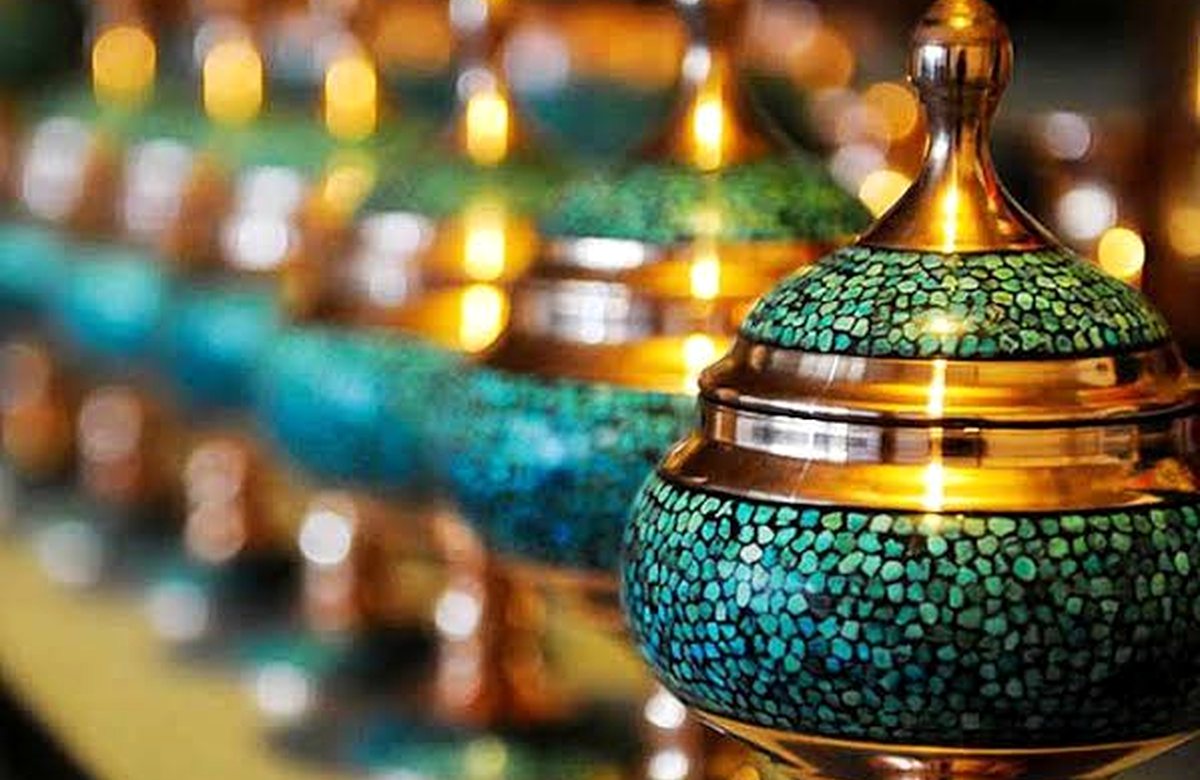
Why Turquoise Matters in Persian Decorative Art
Turquoise carries geological, visual and cultural weight in Persian objects, jewellery and architectural colour.
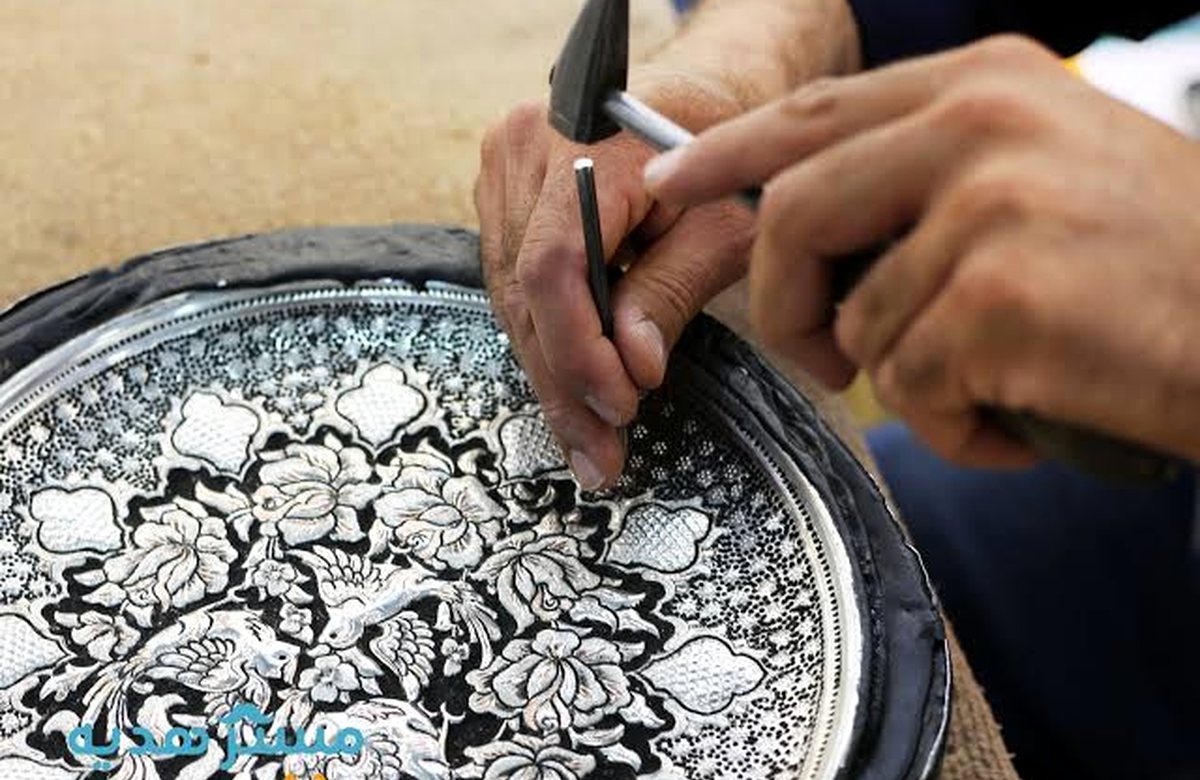
Copper in Persian Craft: Warm Metal, Endless Uses
Why copper works so well for enamel, engraving, vessels and turquoise inlay — and how its colour changes the character of an object.
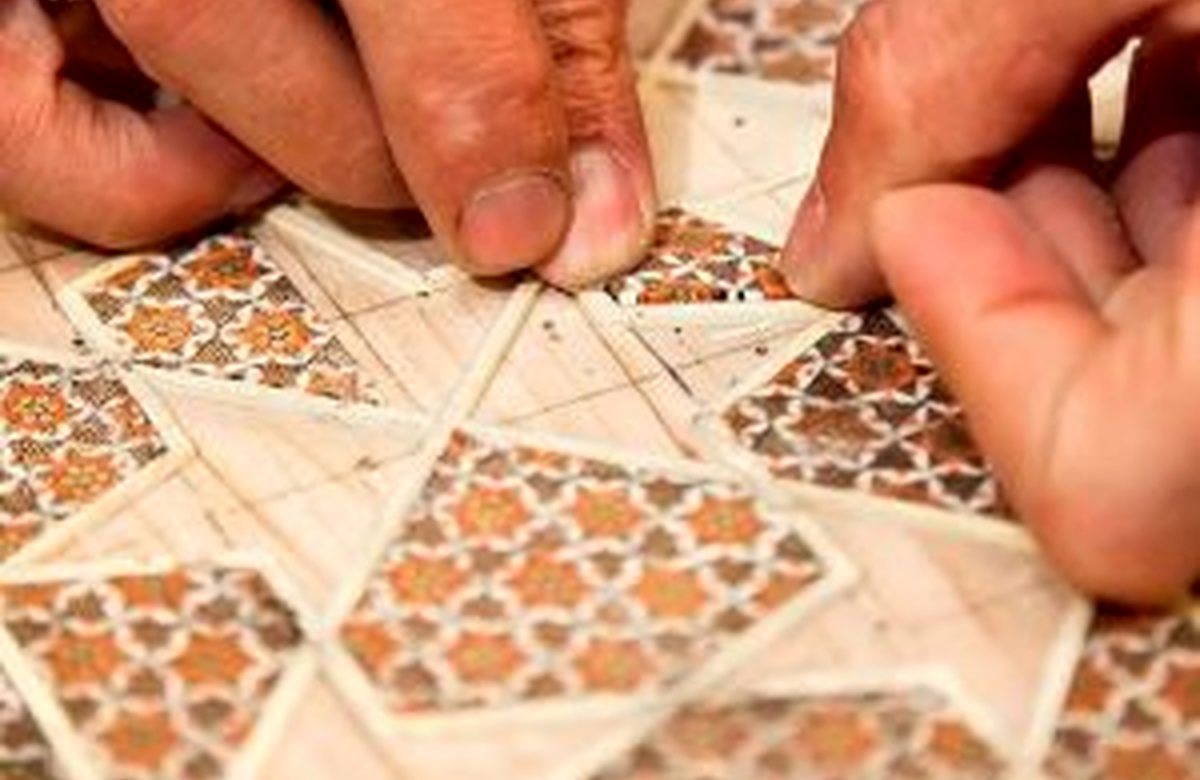
Wood, Bone and Metal in Khatam
The visual precision of khatam depends on material contrast as much as geometry: light, dark, warm and reflective elements work together.
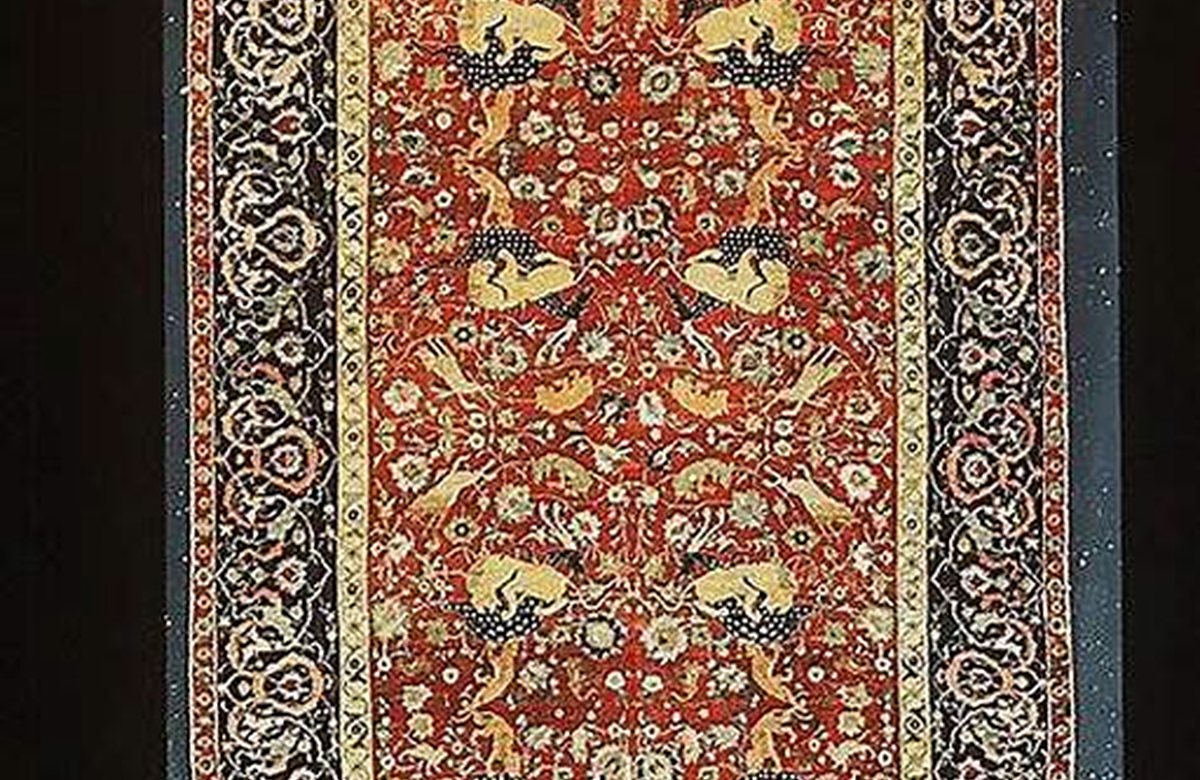
Wool and Silk in Persian Carpets
How fibre choice changes sheen, texture, durability, knot definition and the feel of a Persian carpet.
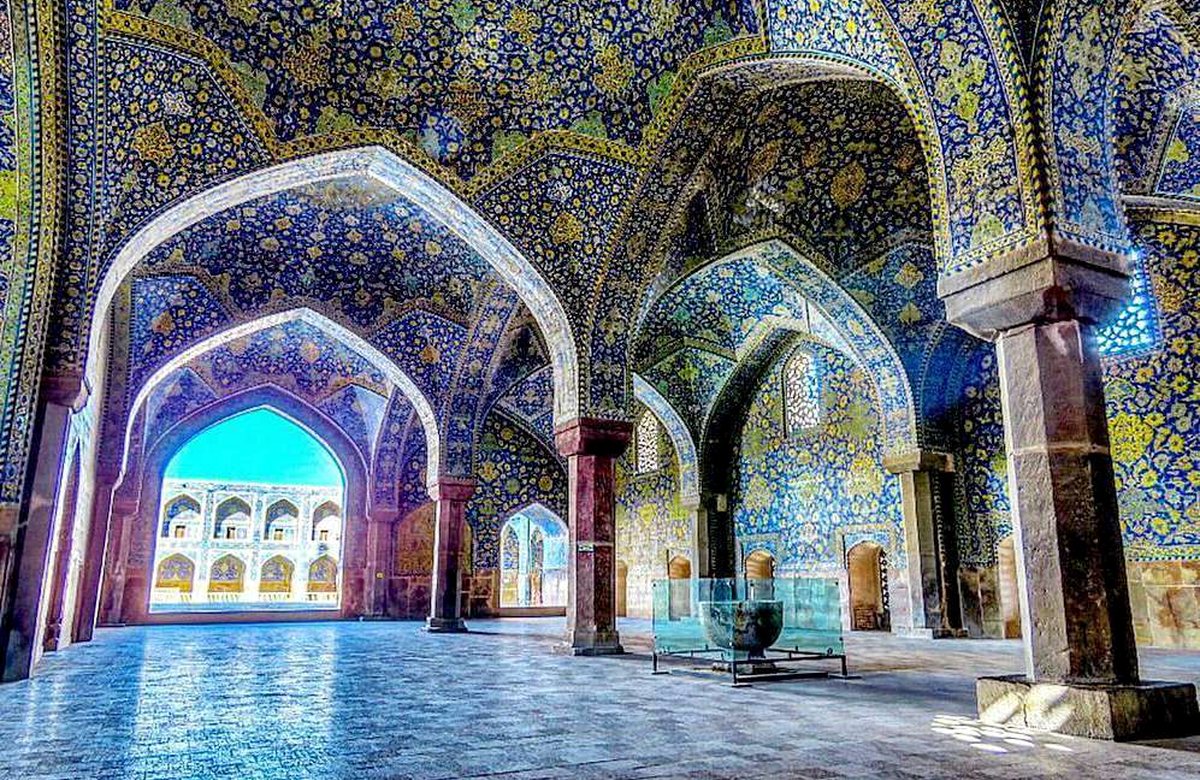
Natural Dyes in Persian Textiles and Carpets
Madder, indigo and plant-based colour traditions help explain the depth and variation prized in many Persian textiles and rugs.
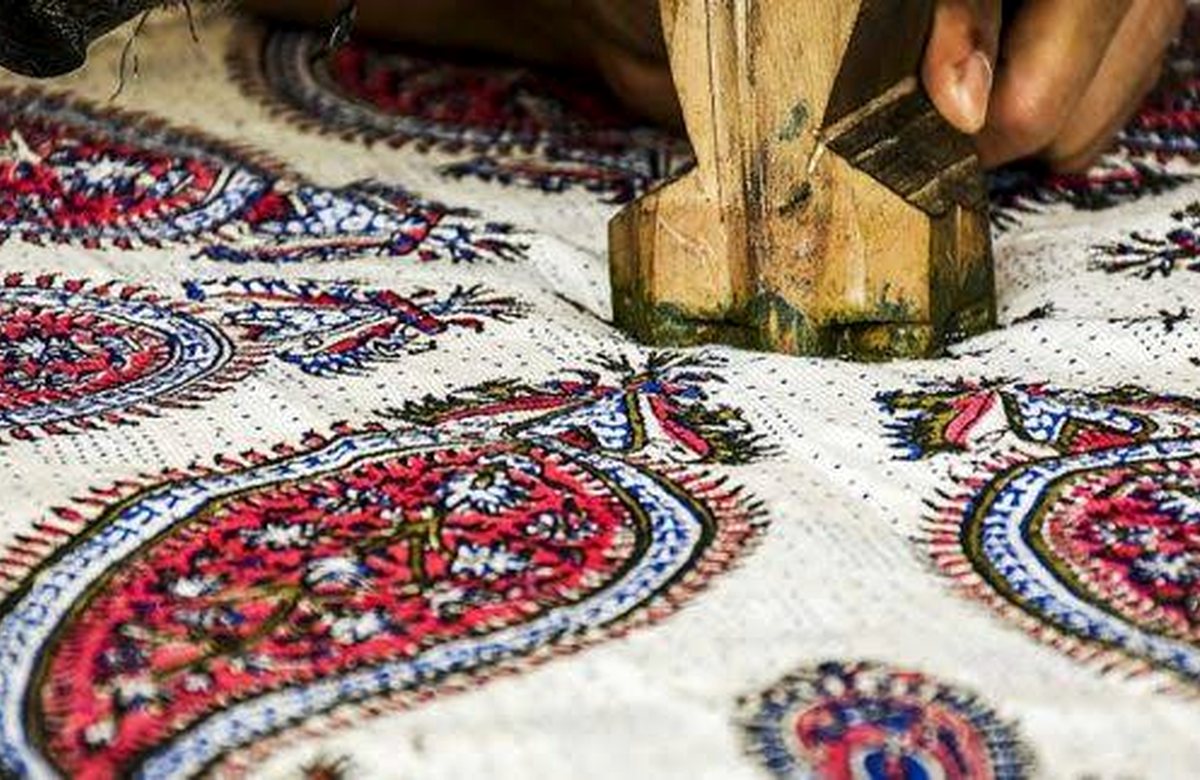
The Boteh Motif: From Persia to Paisley
The curved boteh became one of the most travelled motifs associated with Persian textiles, later transformed in global design.
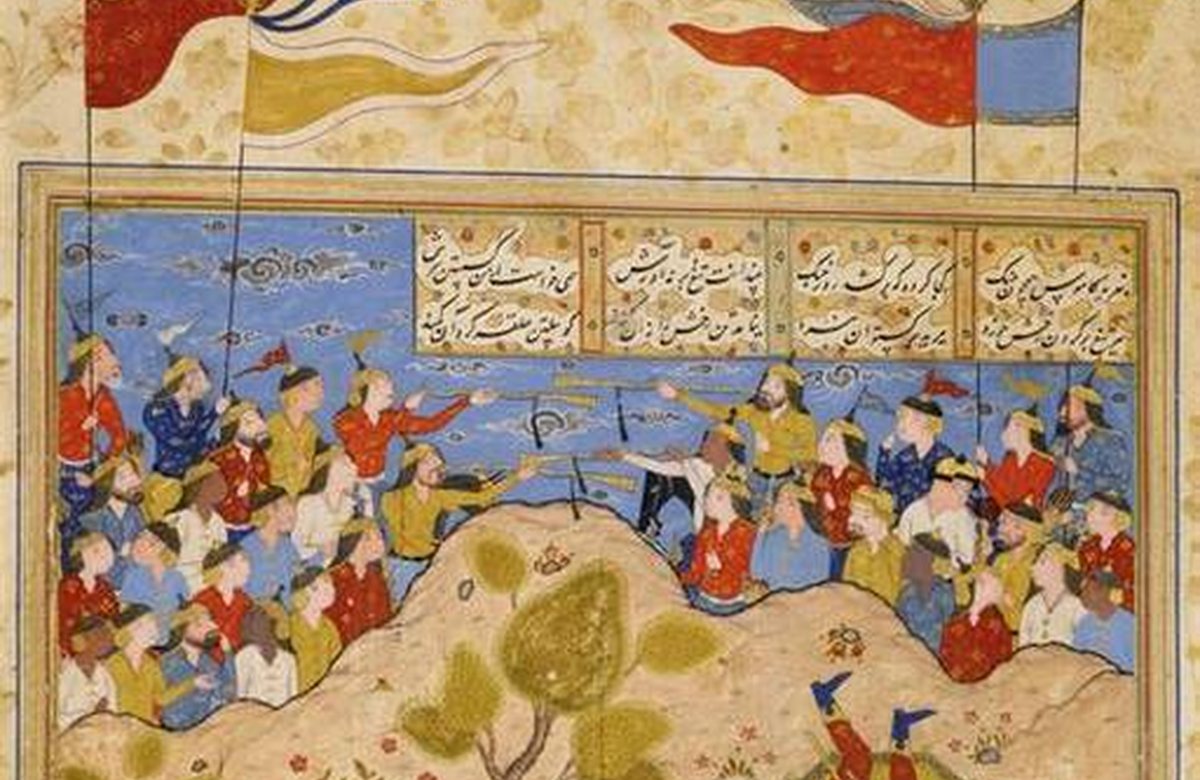
Gol-o-Morgh: Flowers and Birds in Persian Art
Gol-o-morgh brings flowers and birds together in a lyrical decorative language found across painting, lacquer, enamel and objects.
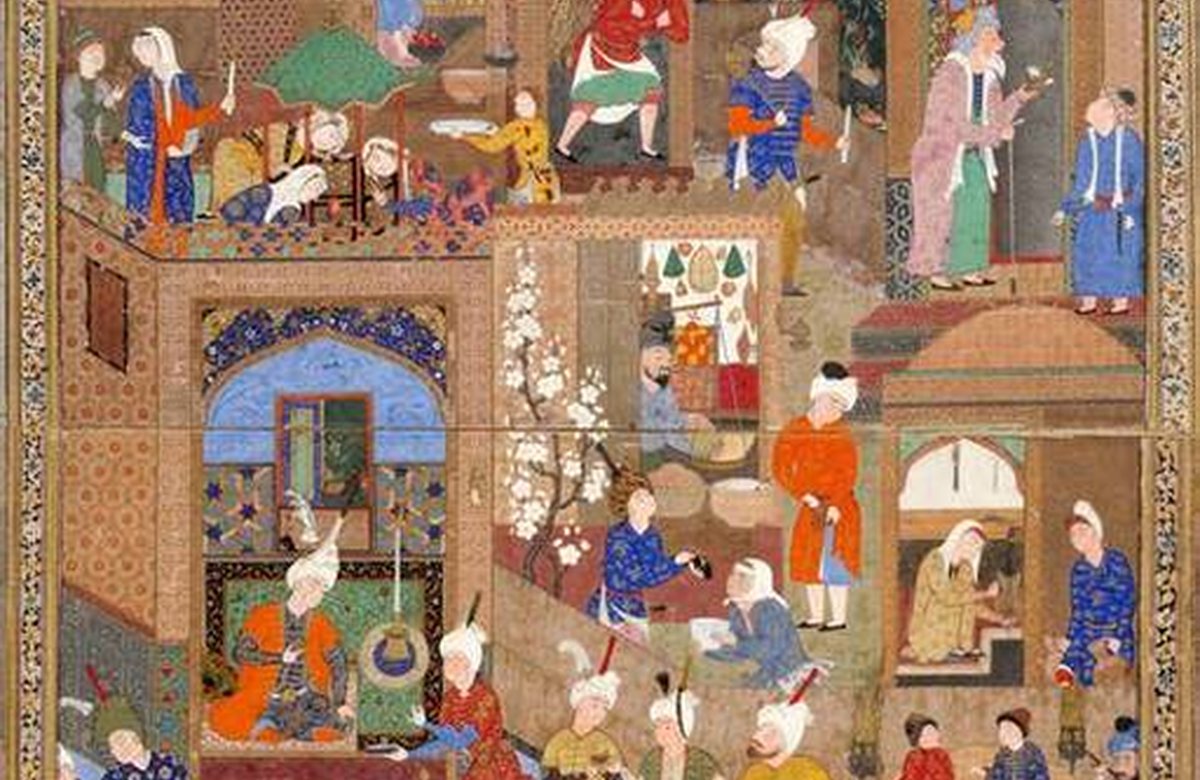
Persian Geometric Patterns: Order Through Repetition
How stars, polygons, grids and repeating units create visual order across Persian architecture and decorative craft.
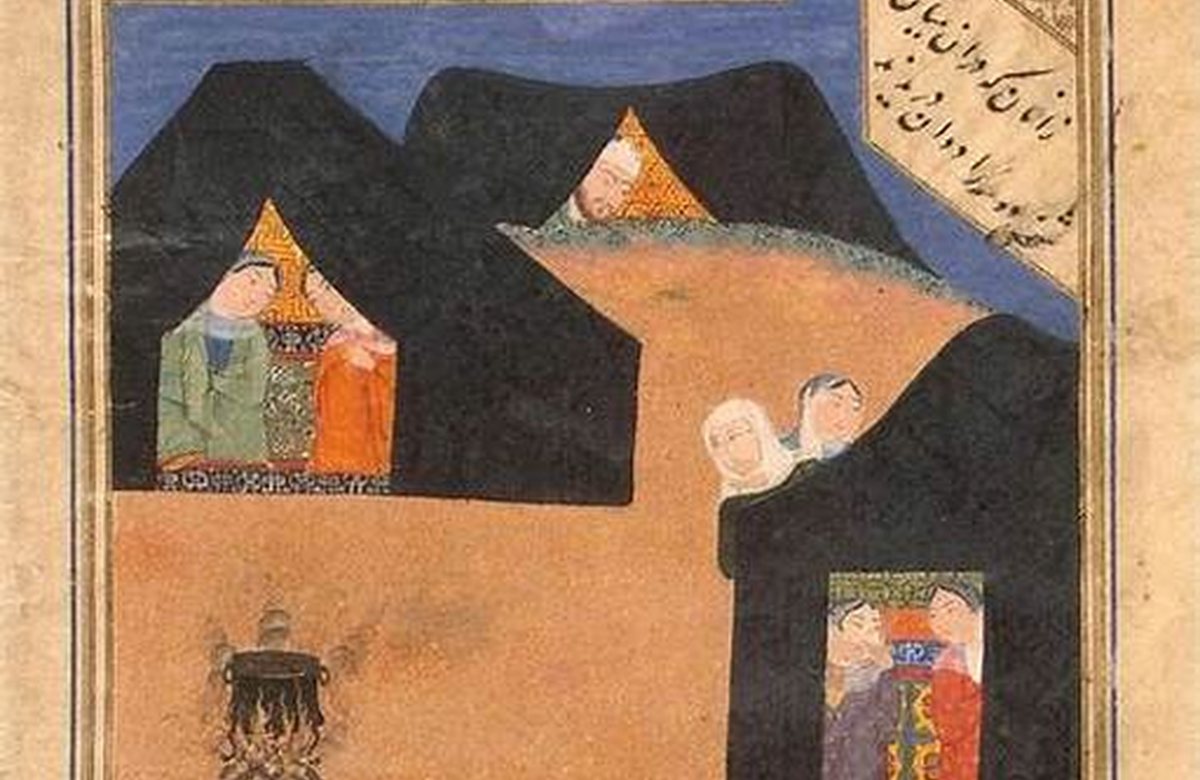
Islimi and the Persian Arabesque
Islimi scrolls turn stems and leaves into a continuous ornamental rhythm that can expand from a small object to an entire wall.
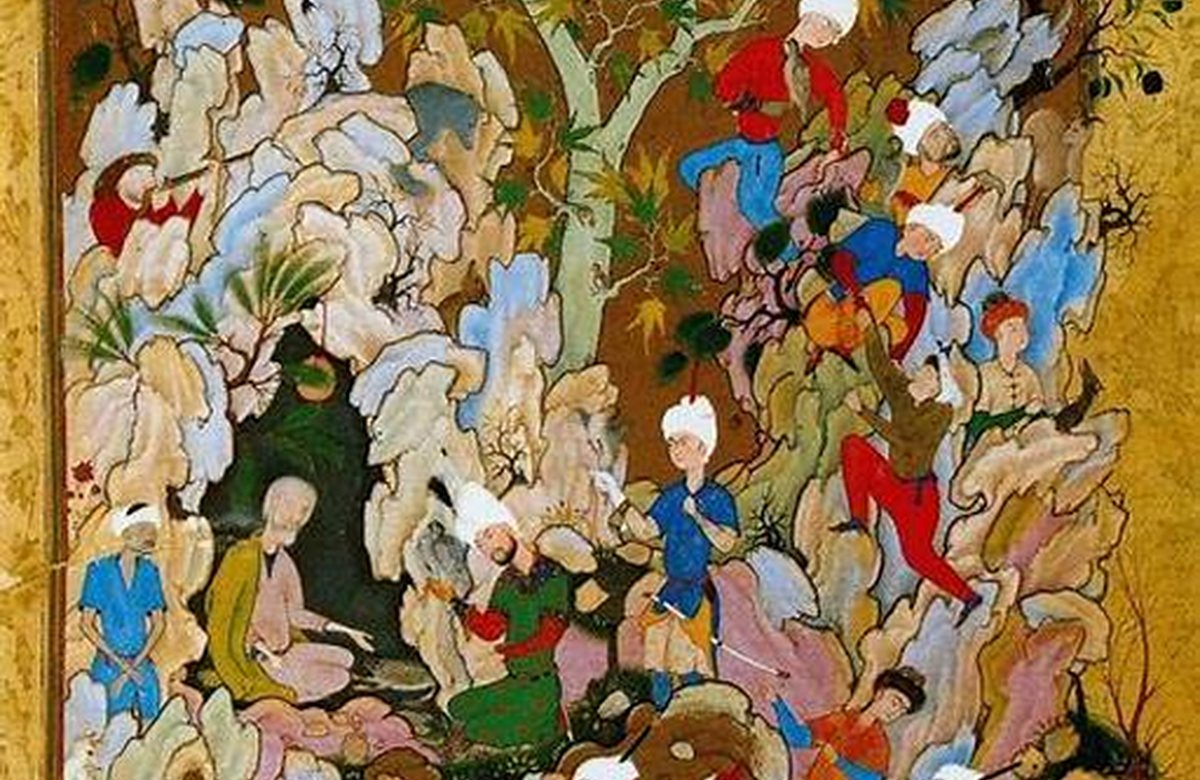
Persian Blue: Why One Colour Feels So Architectural
Blue and turquoise became powerful visual anchors in Persian tilework, enamel and interiors because they work with light as much as pigment.

The Pomegranate in Persian Art and Design
The pomegranate appears across Persian visual culture as a fruit, decorative form and symbol of abundance and seasonal life.
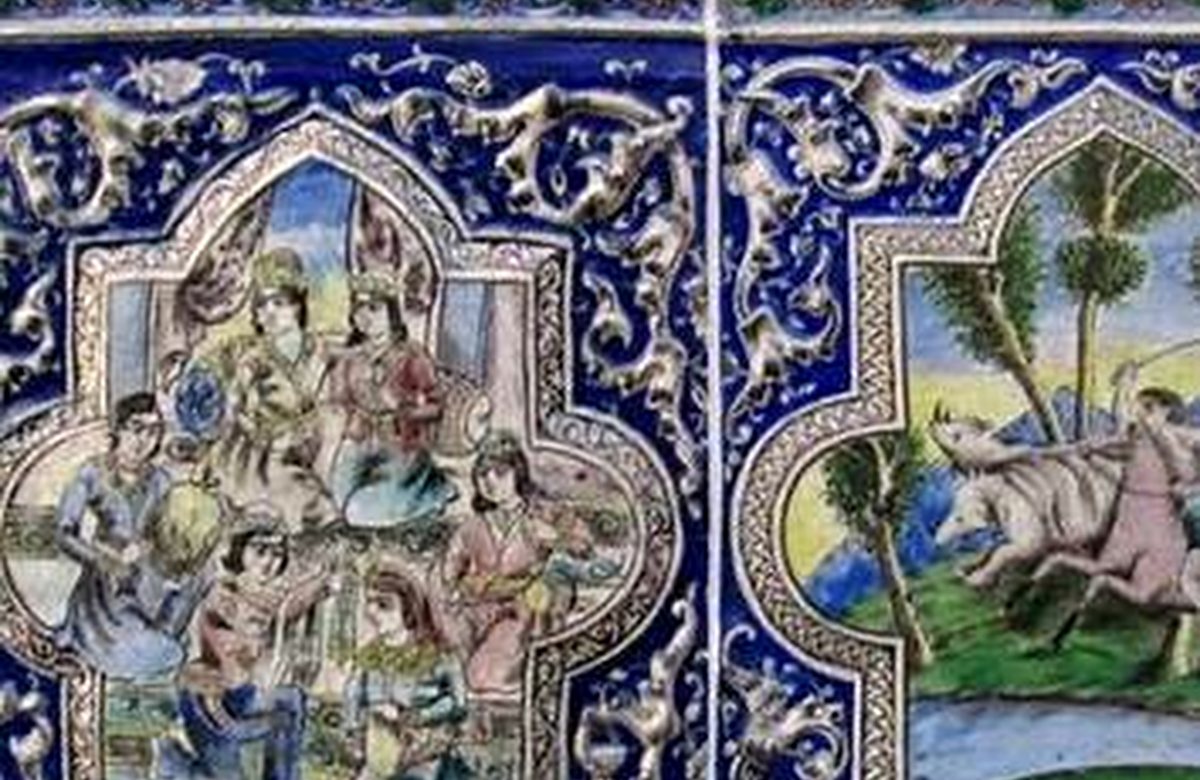
The Cypress Motif in Persian Visual Culture
Tall, upright and flexible, the cypress became a recurring form in gardens, carpets, painting and poetry-inflected design.
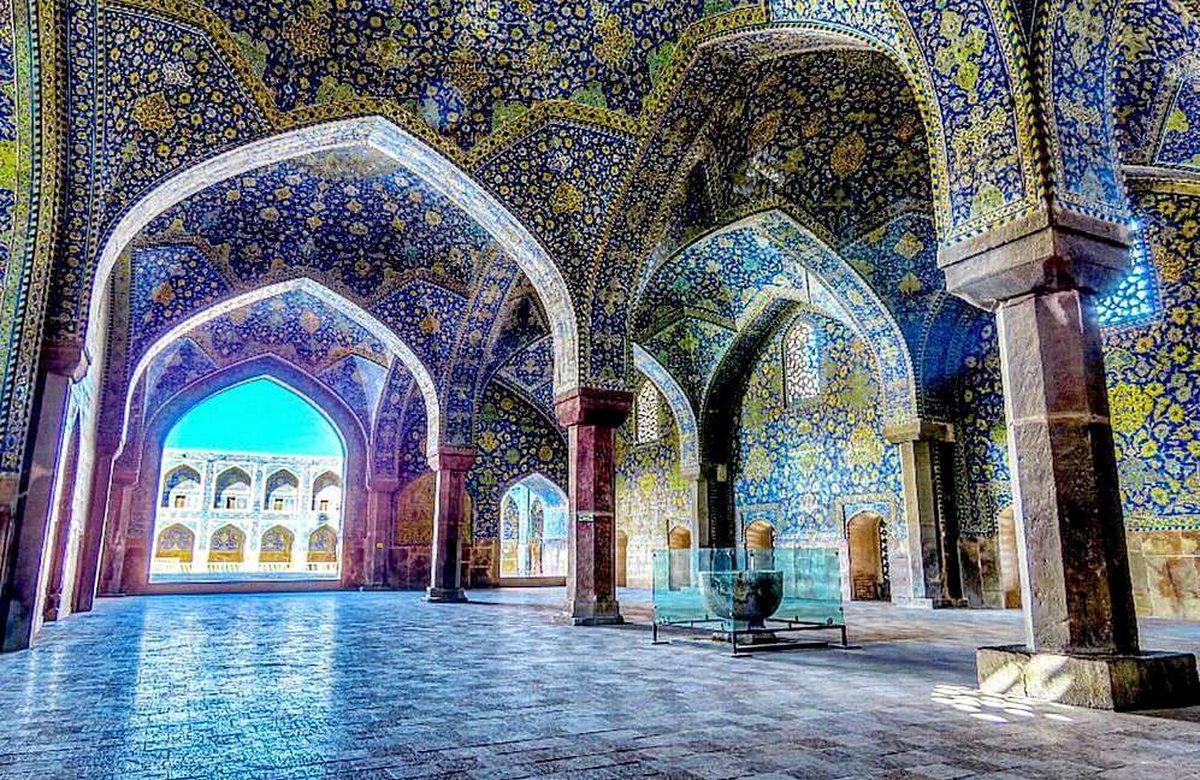
Persian Lacquerwork: Painted Surfaces and Fine Detail
A visual-history guide to the persian-lacquerwork emblem and the changing meanings attached to it across periods.
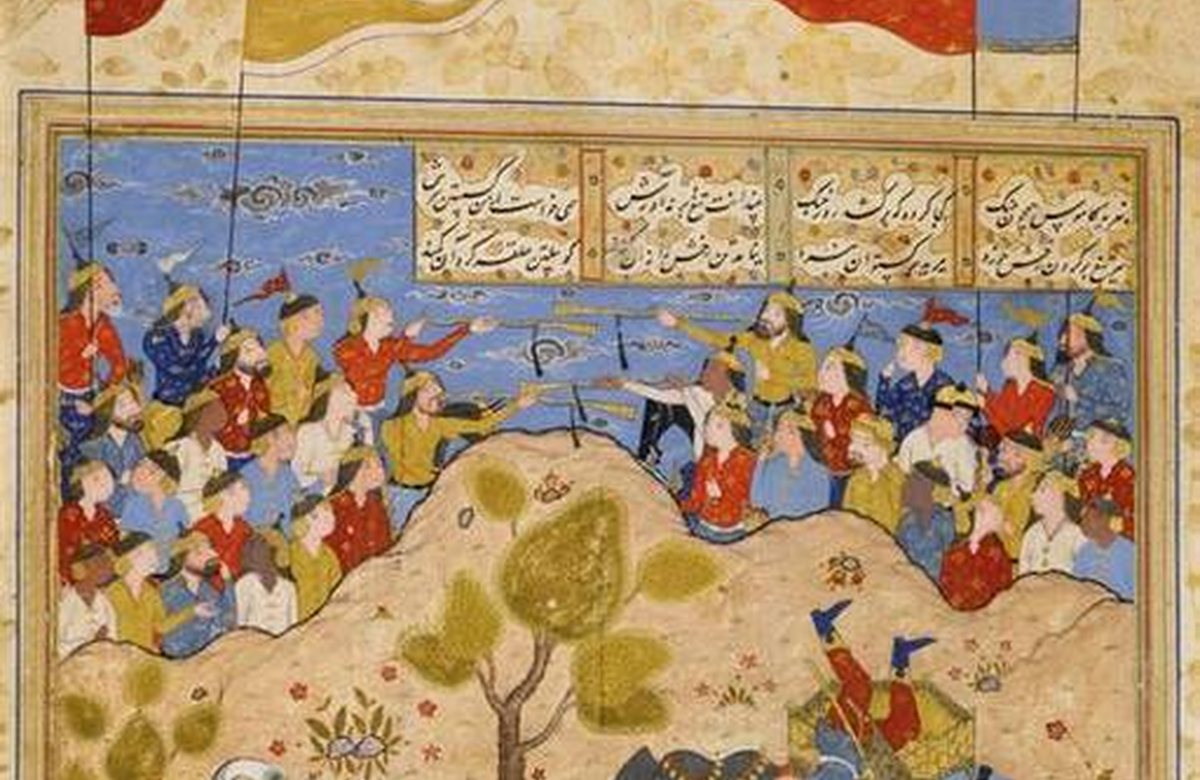
Flowers in Persian Decorative Art
From stylised blossoms to naturalistic sprays, flowers give Persian decorative surfaces rhythm, softness and seasonal reference.
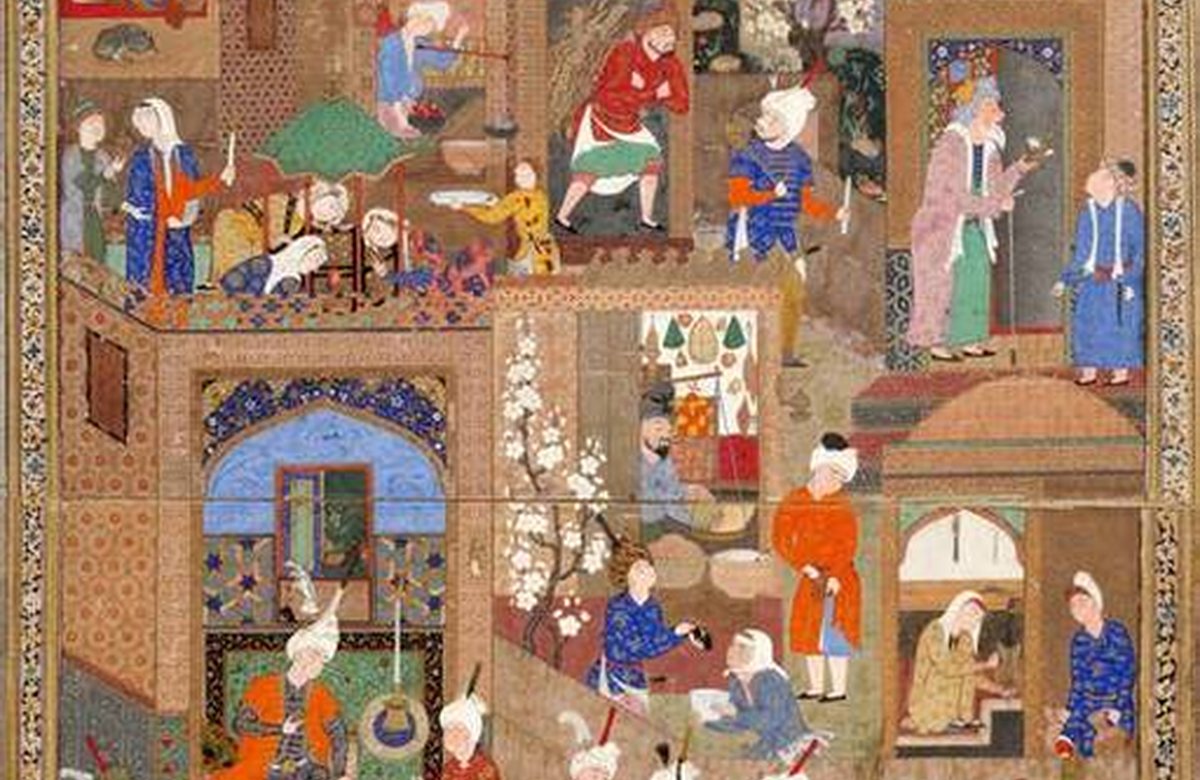
Birds in Persian Decorative Art
Nightingales, peacocks and other birds animate Persian painting, textiles and objects with movement, sound and poetic association.
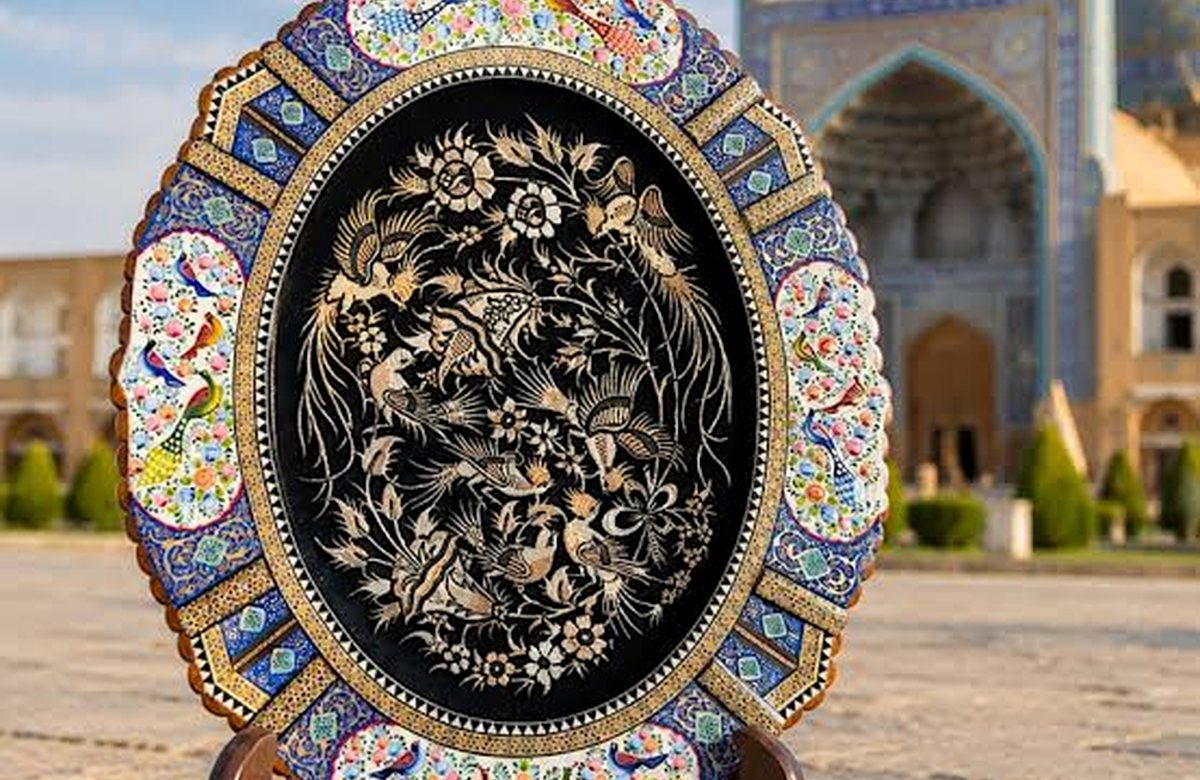
A Guide to Persian Handicrafts
A broad guide to Persian handicrafts, from enamel and marquetry to textiles, carpets, metalwork, ceramics and regional workshop traditions.
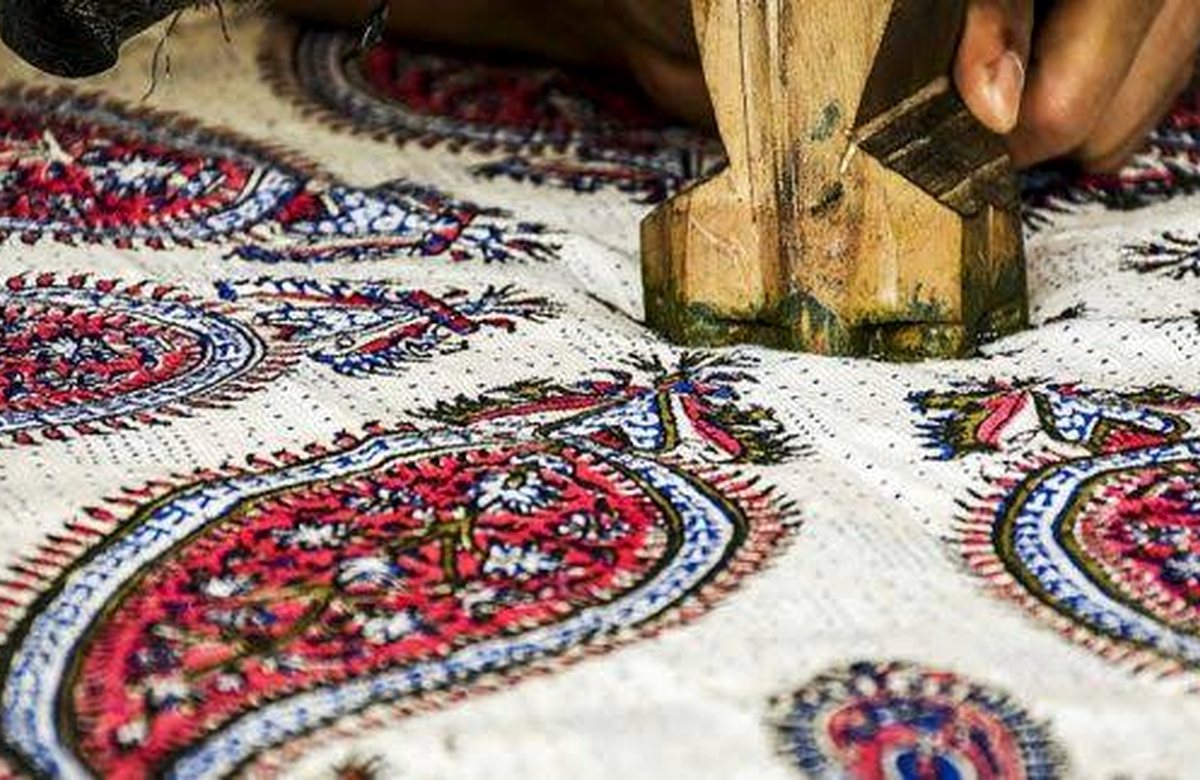
Craft Traditions of Shiraz and Fars
Shiraz and the wider Fars region connect urban artistic culture with strong textile, carpet and nomadic weaving traditions.
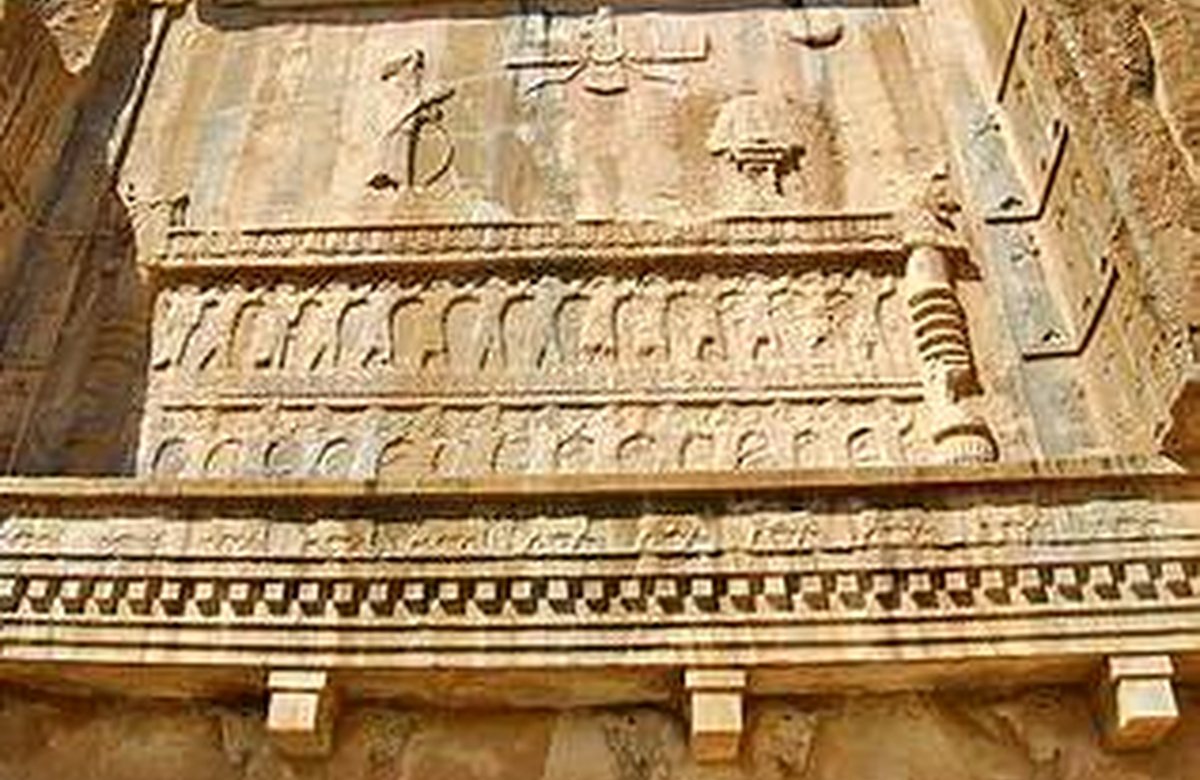
Kashan: Carpets, Ceramics and a Culture of Making
Kashan’s reputation draws on carpets, ceramics, architecture and a long relationship between trade and workshop production.
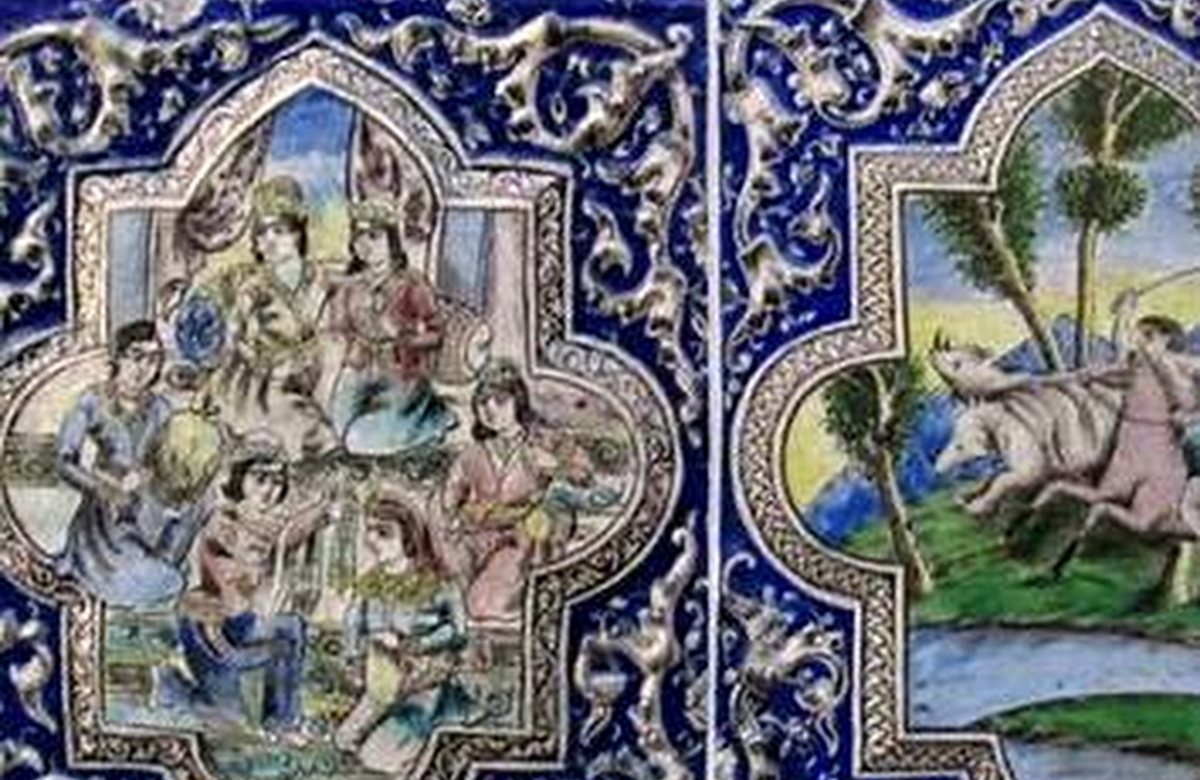
Yazd: Textiles, Termeh and Desert Craft
Yazd’s textile identity, desert architecture and merchant history make it an important place for understanding Persian material culture.
Kerman: Carpets, Pattern and Desert Colour
Kerman is widely associated with carpet production and distinctive approaches to colour and floral design.
Tabriz: Carpets, Manuscripts and Workshop Culture
Tabriz has repeatedly served as a major artistic and commercial centre, especially for carpets and manuscript culture.
Fars Nomadic Weaving: Pattern Without a Drawing
Many Fars weaving traditions rely on memorised motifs, mobile looms and strong material knowledge rather than formal cartoons.
Qom Carpets: Fine Weaving and Silk
Qom became known in the modern period for finely knotted carpets, including silk examples with crisp pattern definition.
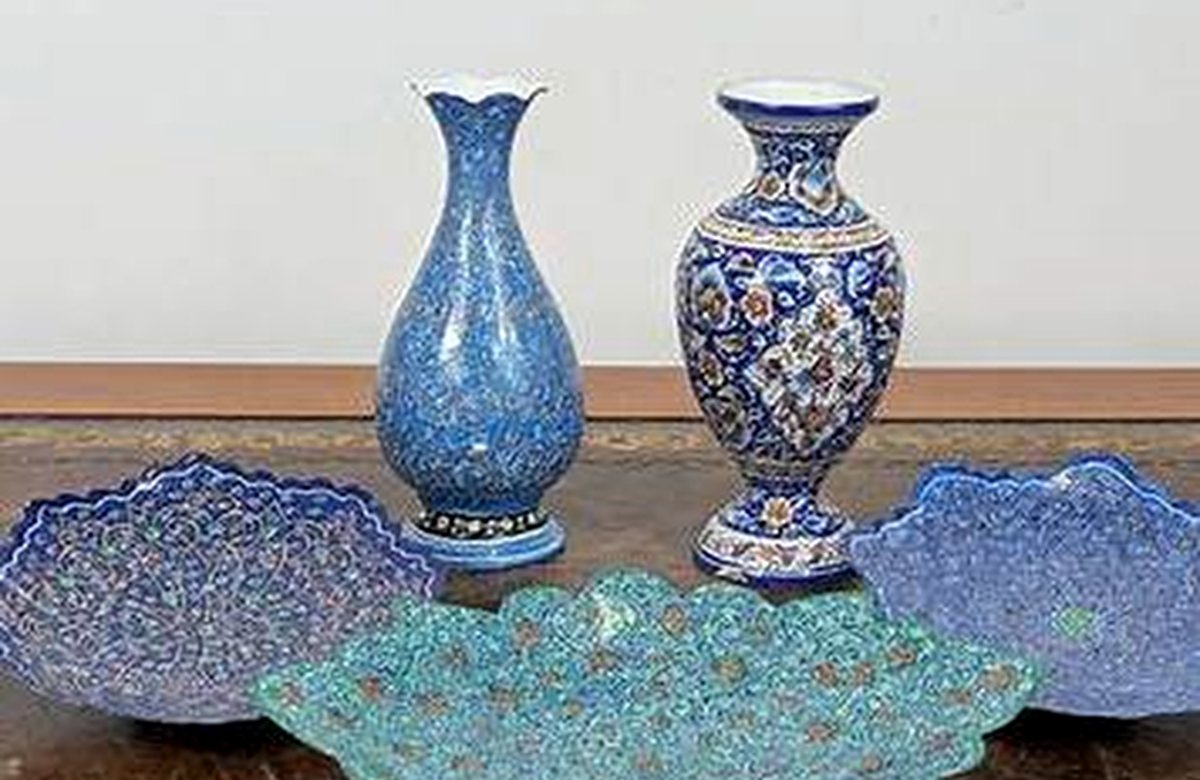
Khorasan and the Story of Persian Turquoise
Northeastern Iran, especially the Neyshabur area, has long been associated with turquoise prized across Persian decorative culture.
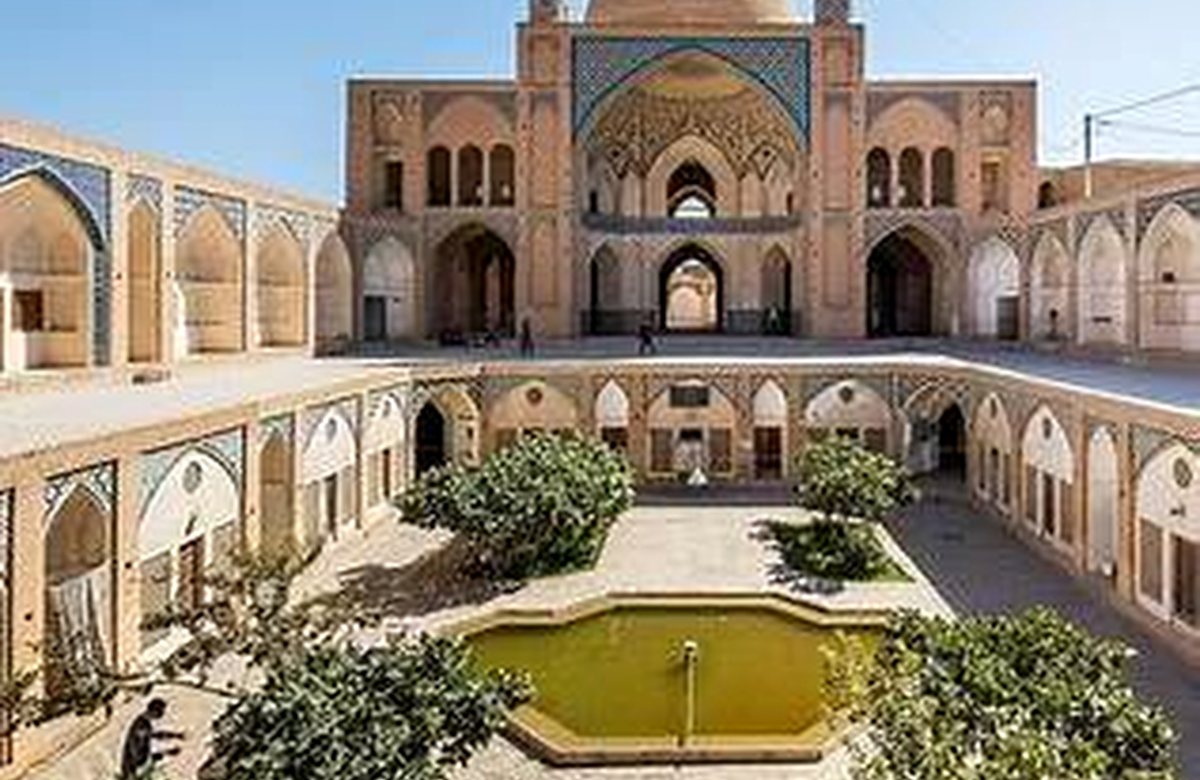
Mashhad: Pilgrimage, Trade and Decorative Craft
Mashhad’s scale as a pilgrimage and trading city helped support a wide market for carpets, metalwork, jewellery and gifts.
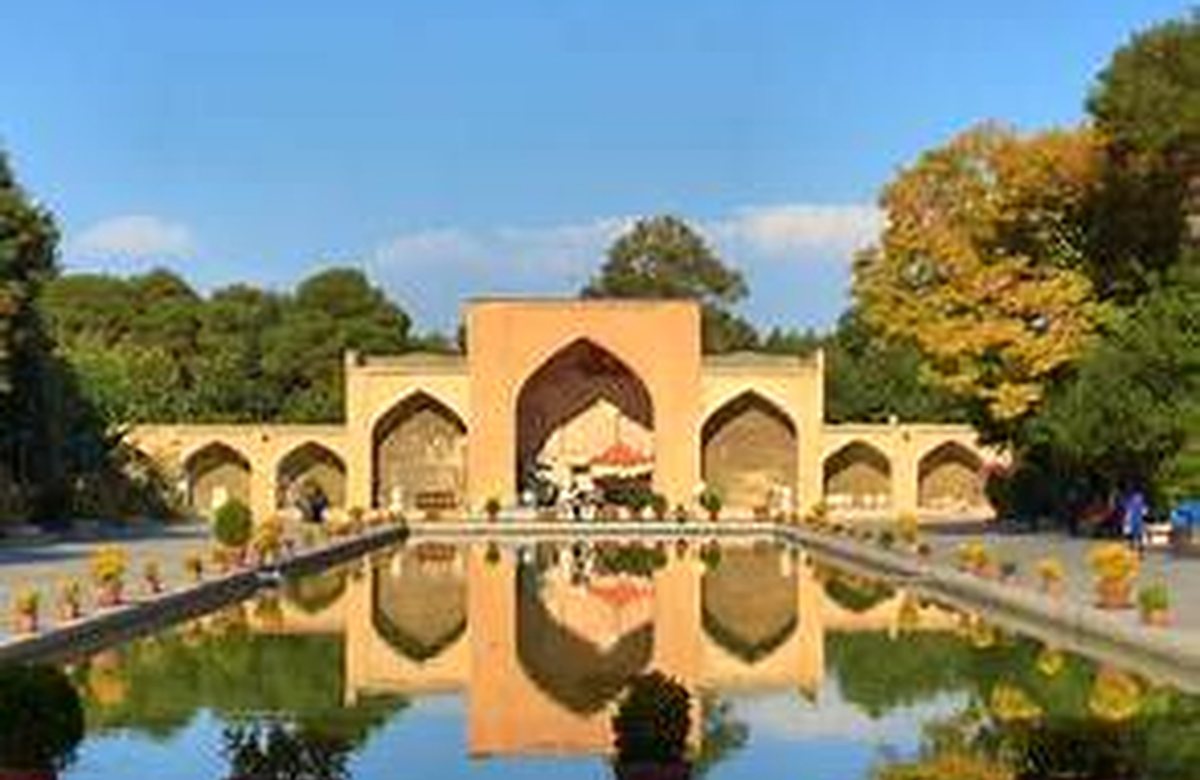
Tehran Workshops in the Qajar Era
As Tehran became a royal capital, court workshops and urban makers shaped new forms of portraiture, lacquer and decorative production.
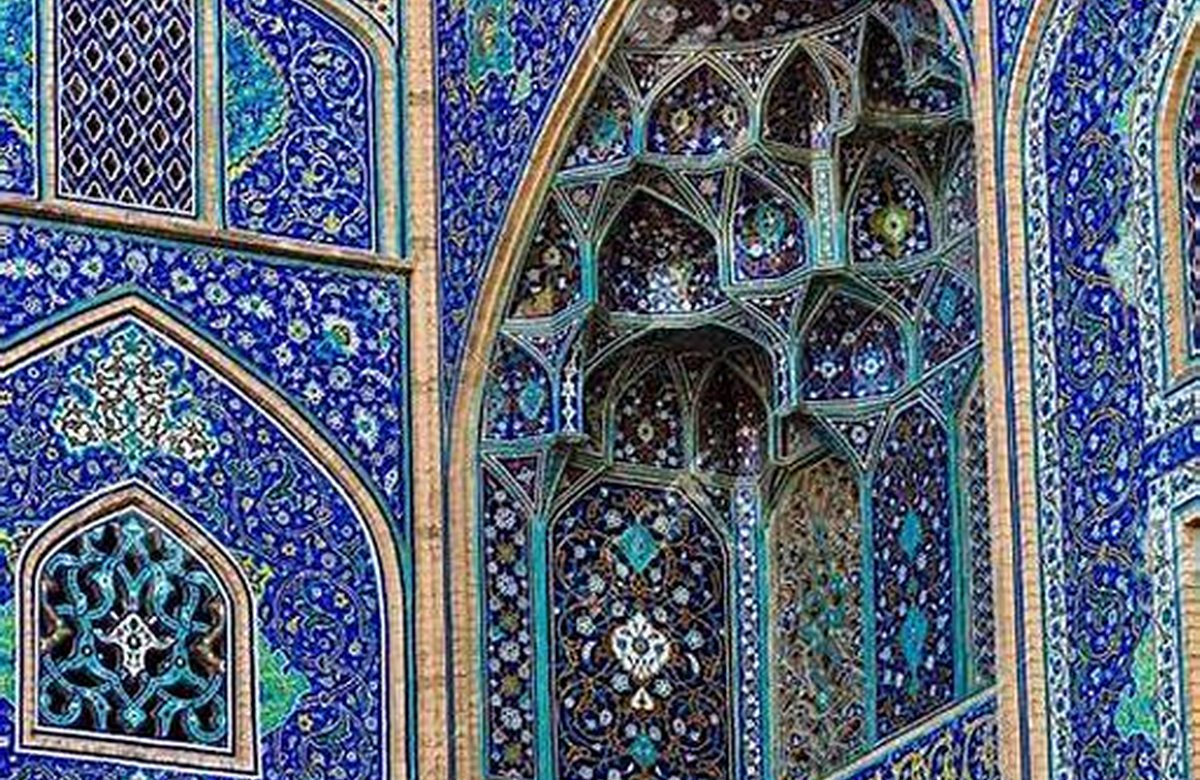
Craft Traditions of the Persian Gulf Coast
Maritime trade, heat, palm materials and cosmopolitan exchange gave the Persian Gulf coast a material culture distinct from inland cities.
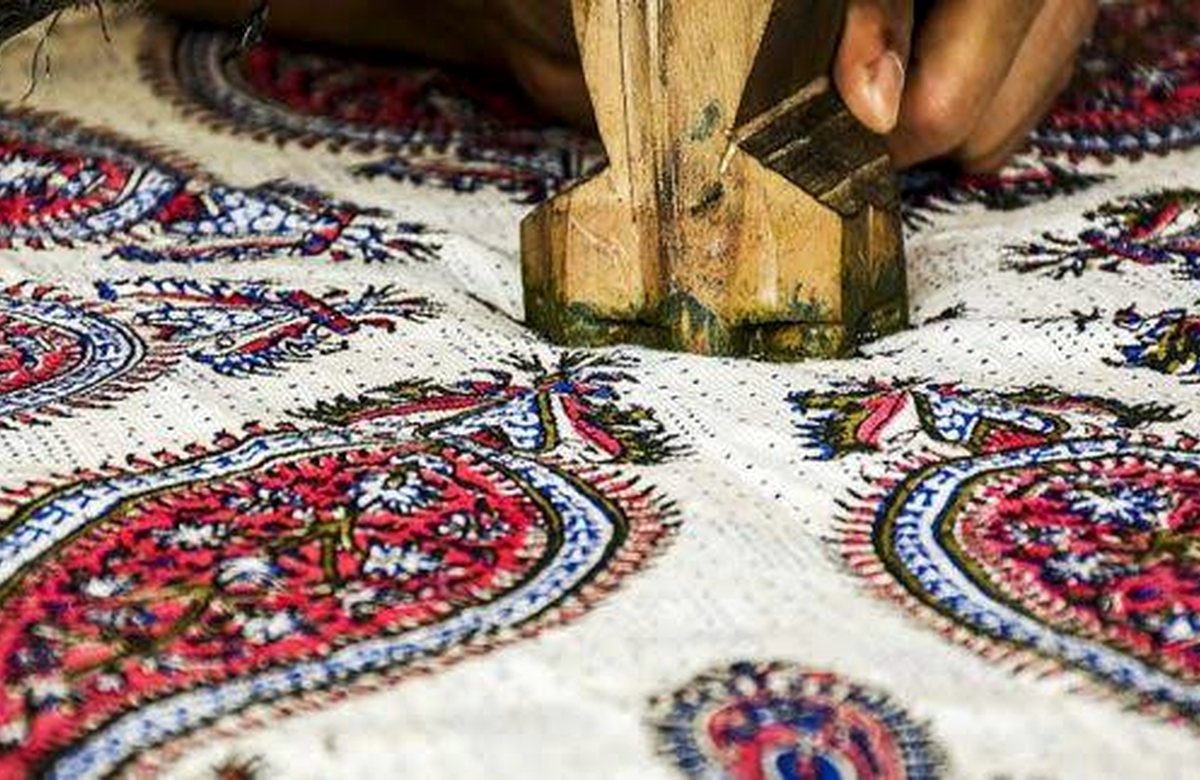
Kurdistan Weaving: Colour, Wool and Regional Identity
Kurdish weaving traditions in western Iran demonstrate how colour, wool and household textiles can carry strong regional identity.
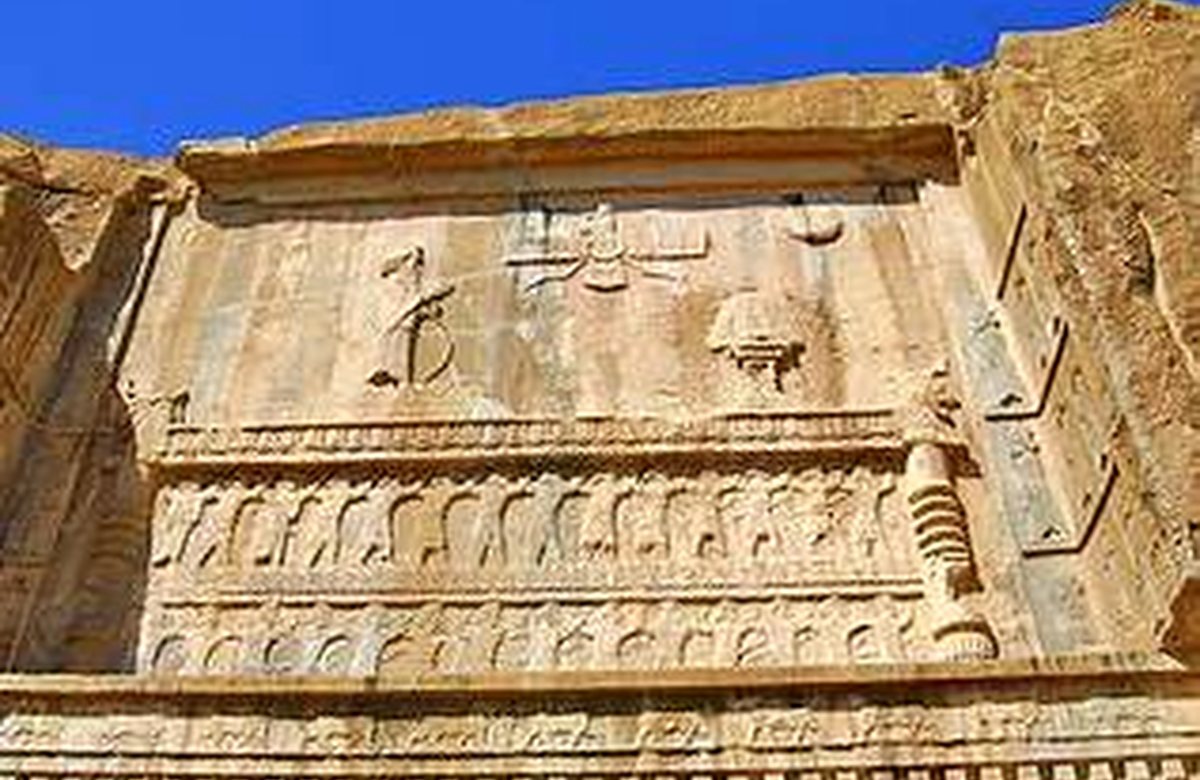
Gilan and Mazandaran: Craft in the Green North
The Caspian provinces bring wood, fibre, ceramics and everyday craft into a landscape very different from central Iran.
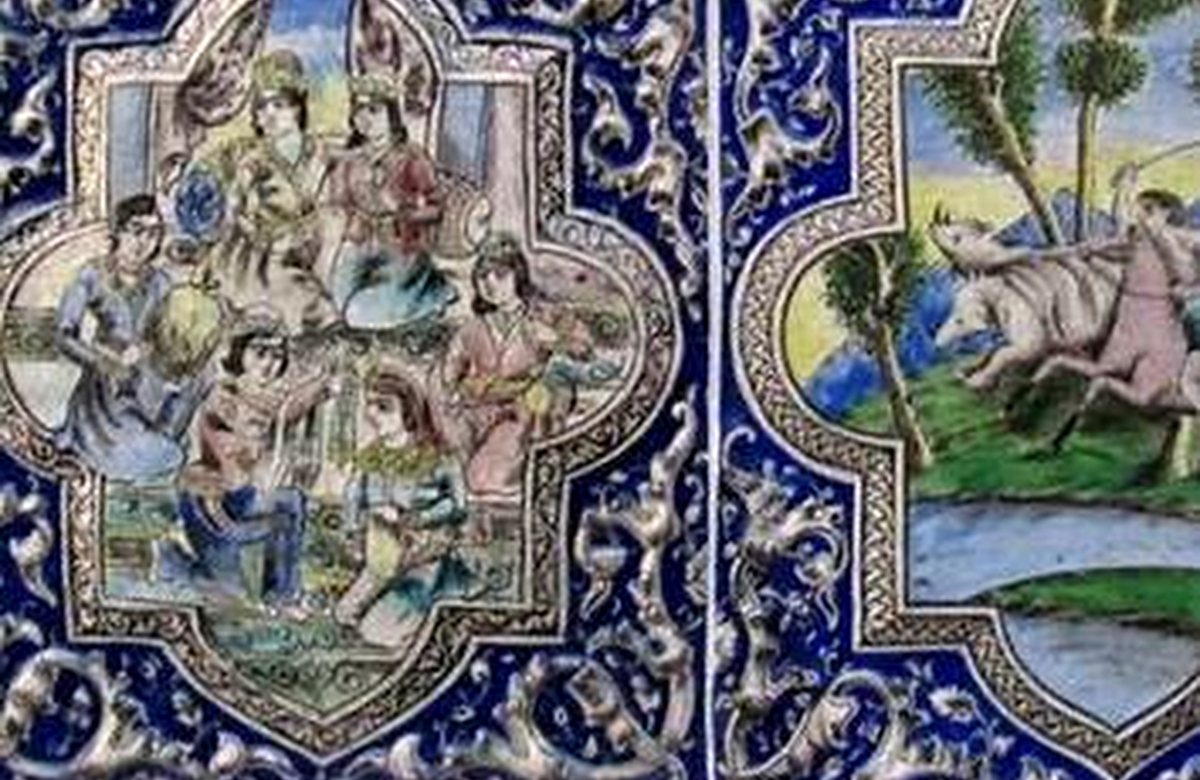
How Desert Cities Shape Persian Craft
Scarcity, trade routes, courtyard architecture and available materials all influence what gets made in Iran’s desert cities.
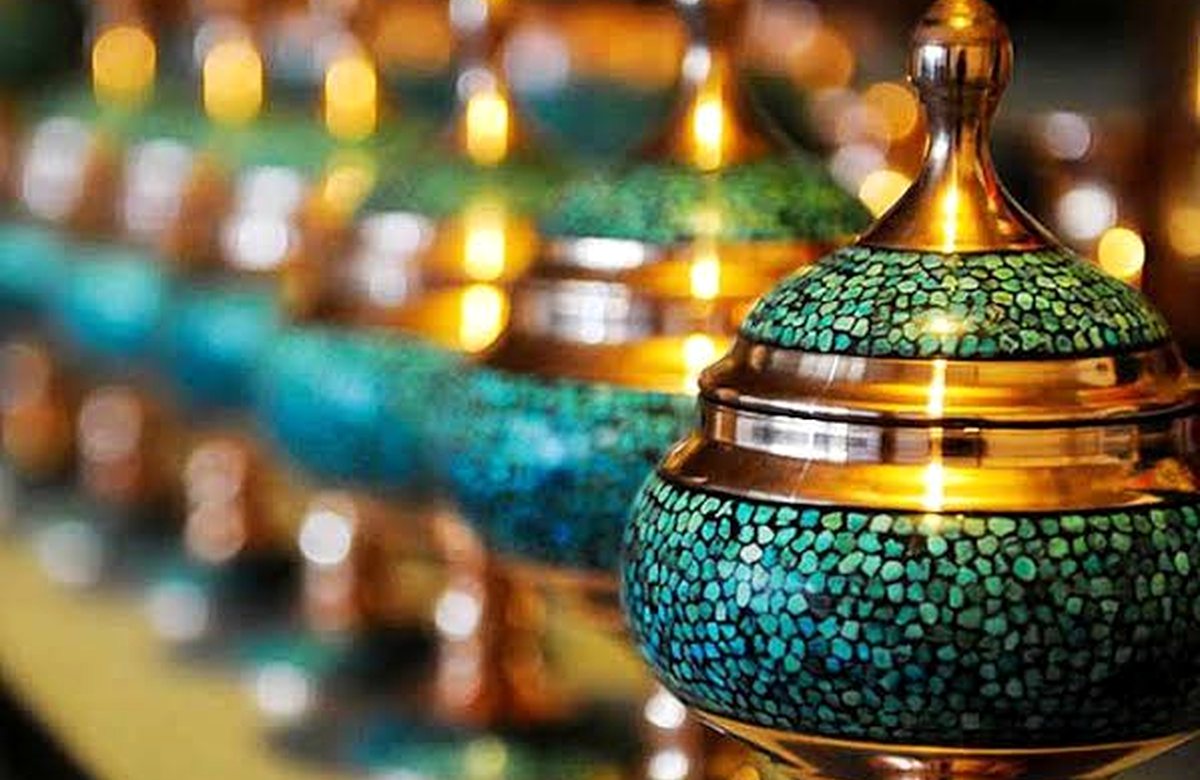
How to Style Persian Objects in Modern Interiors
Use Persian craft as a layer of colour, texture and history without turning a contemporary room into a themed interior.
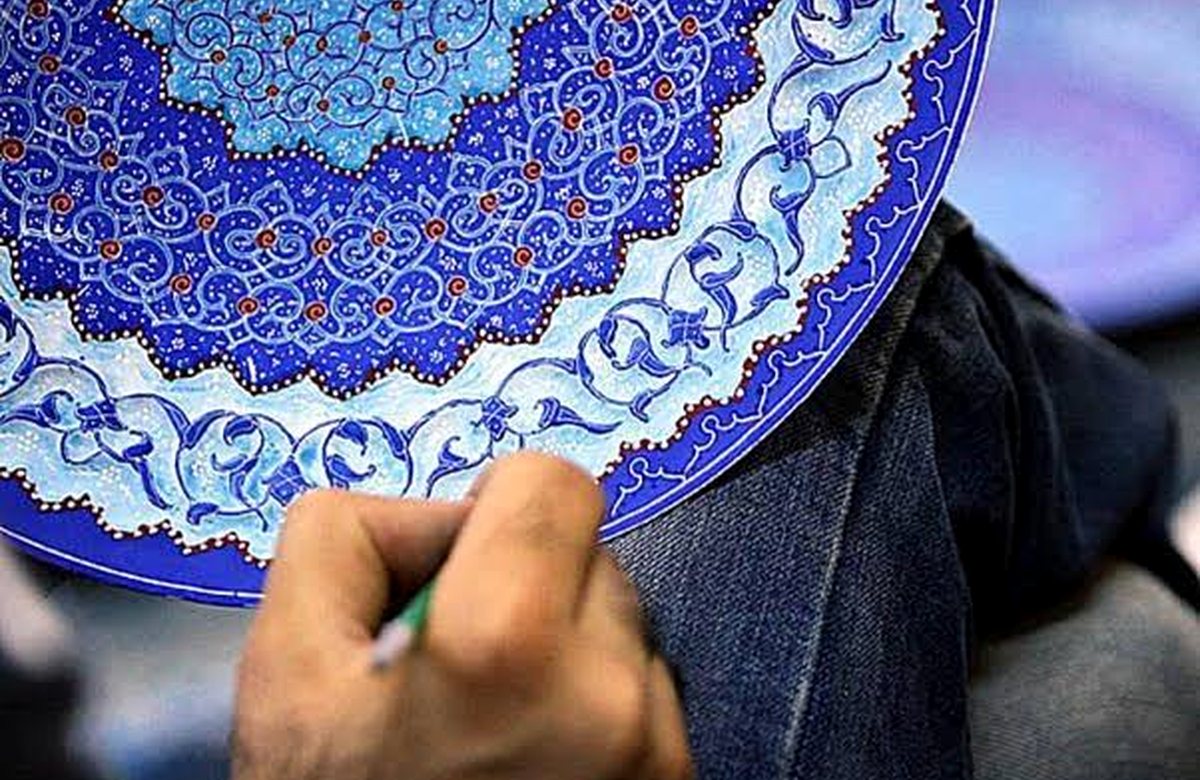
How to Display Minakari Without Making It Feel Formal
Simple shelves, negative space and controlled colour help hand-painted enamel feel fresh in a modern room.
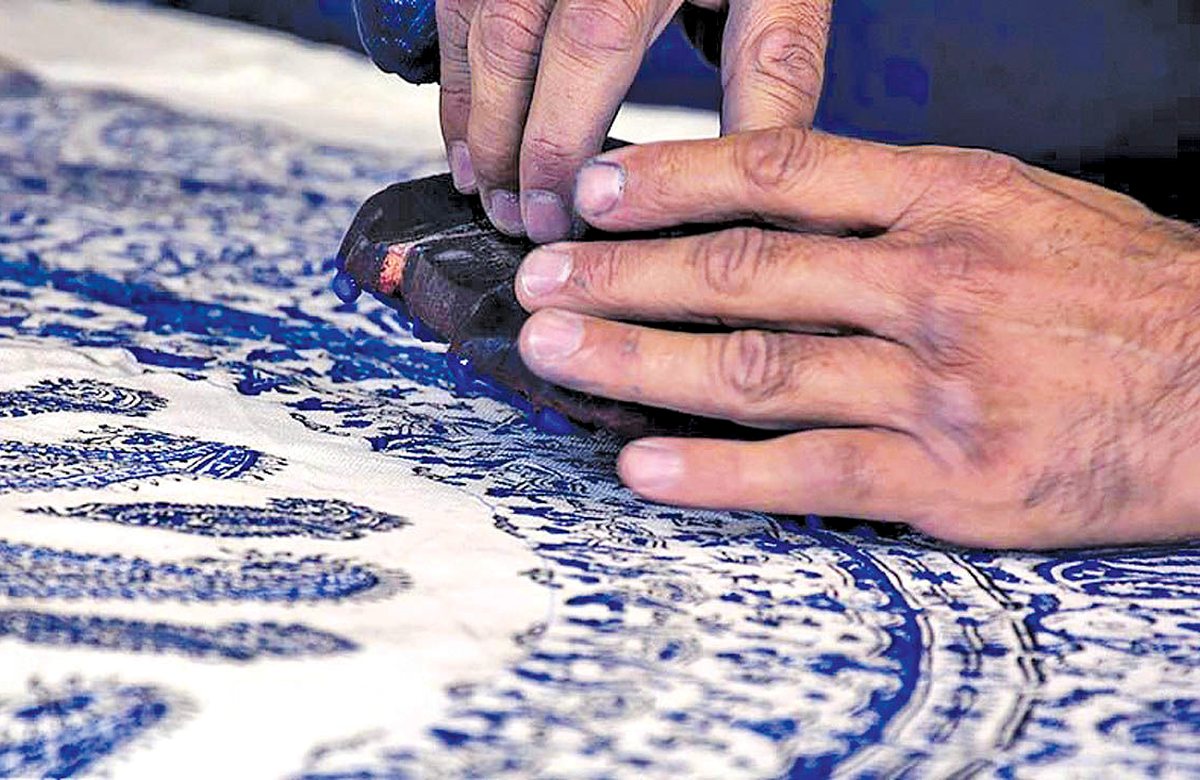
How to Style Qalamkar Textiles at Home
Qalamkar works on tables, consoles, walls and layered surfaces — the key is choosing scale and letting the print breathe.
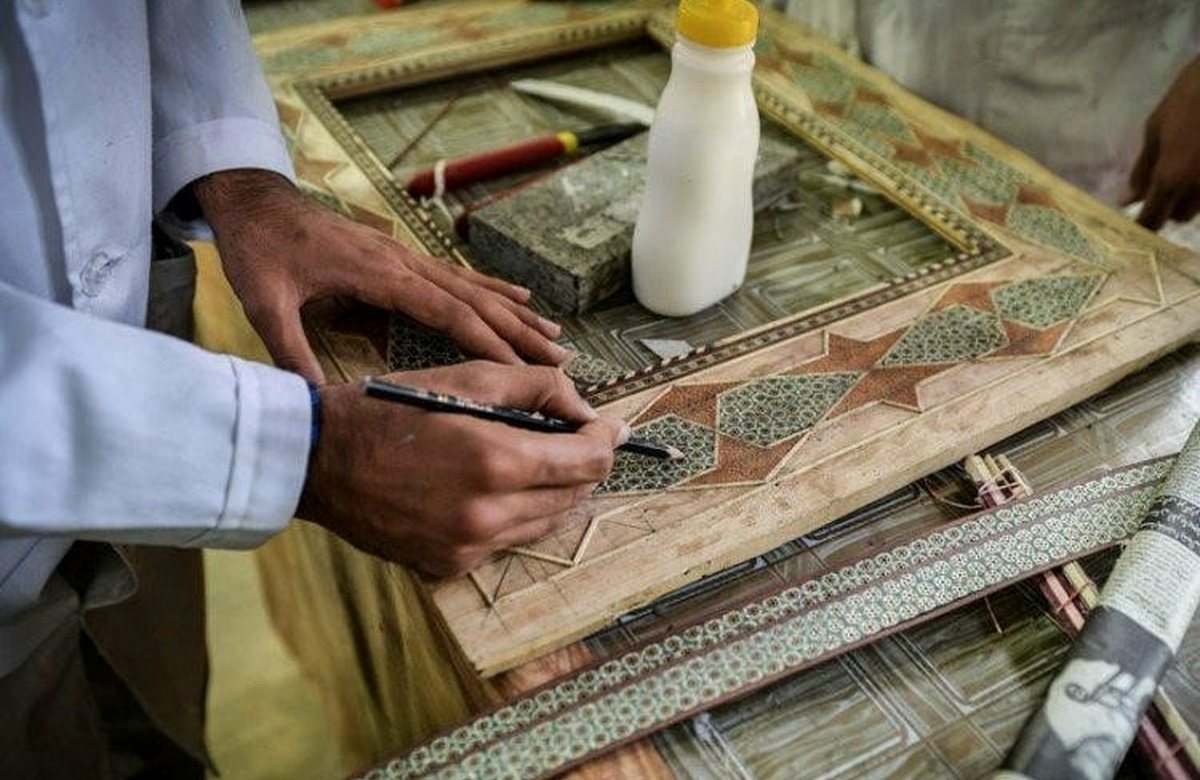
How to Use Khatam on a Desk or Shelf
Small khatam boxes and objects reward close viewing, making them ideal for desks, bookshelves and quiet display zones.
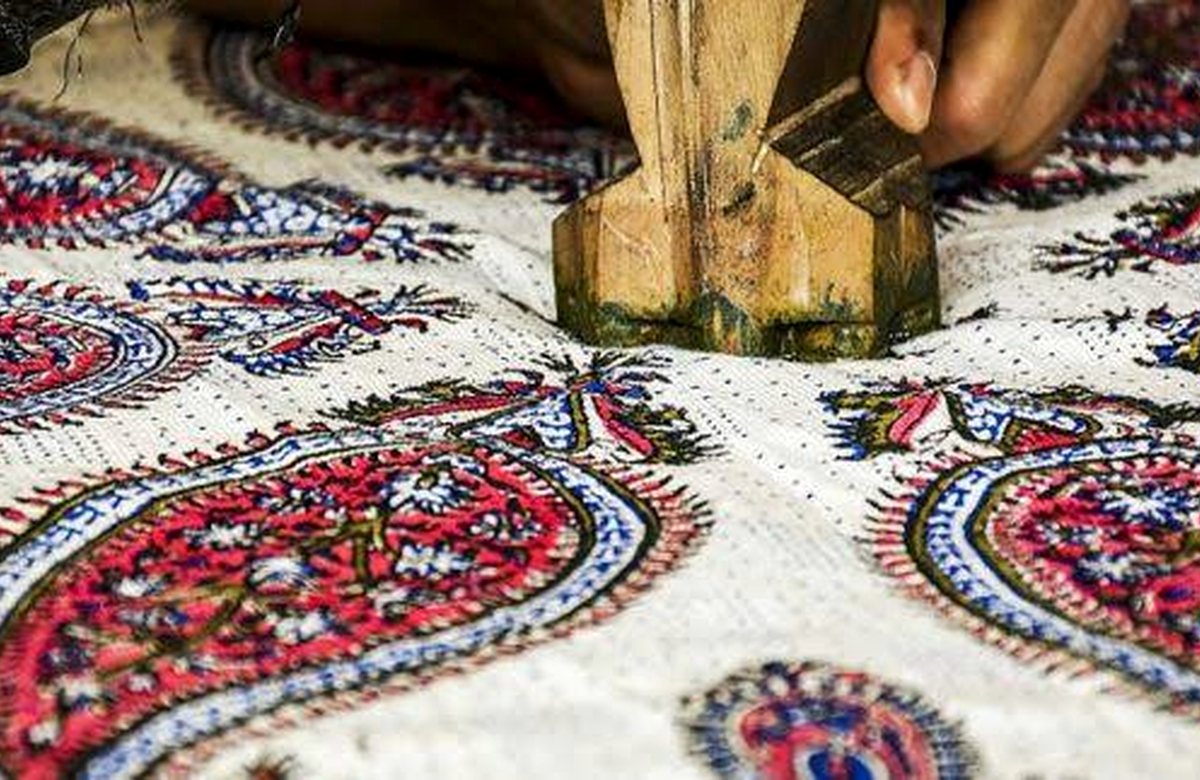
Persian Textiles for the Table
A practical guide to using runners, square cloths and patterned textiles without overwhelming dinnerware or flowers.
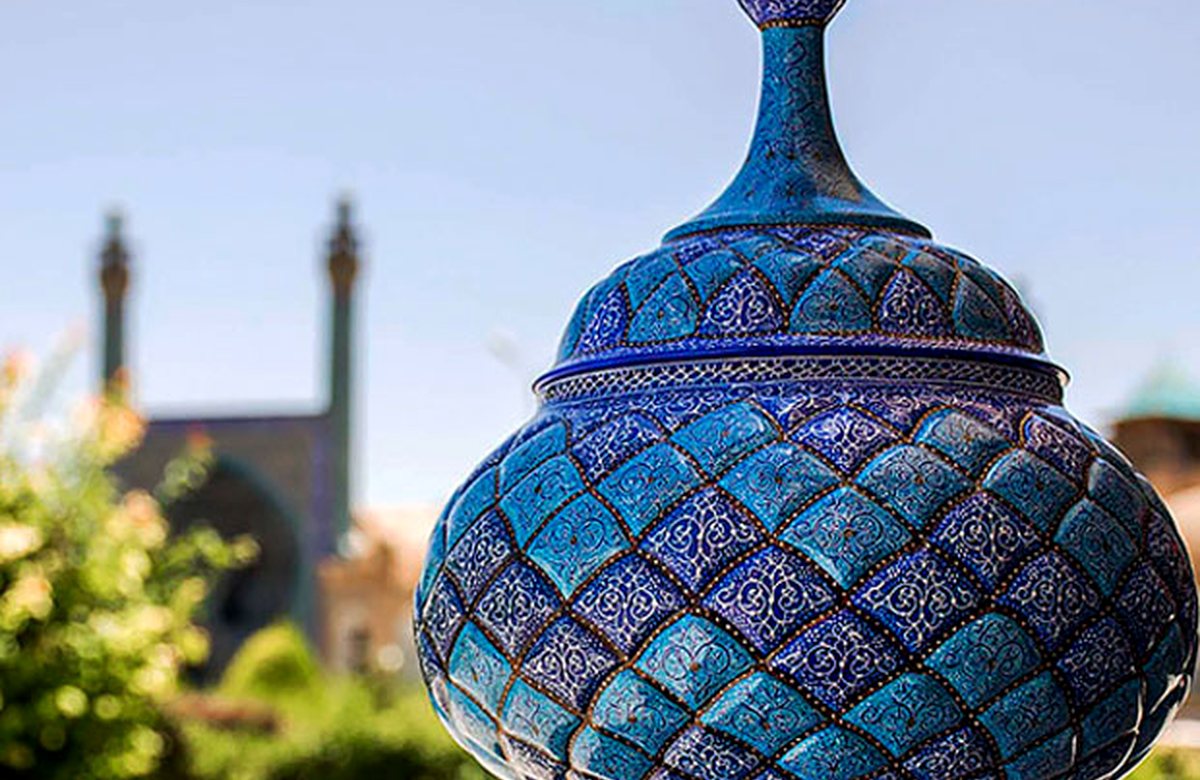
Mixing Persian Craft with Minimalism
Minimal rooms can make intricate Persian objects look stronger because pattern is given room to register.
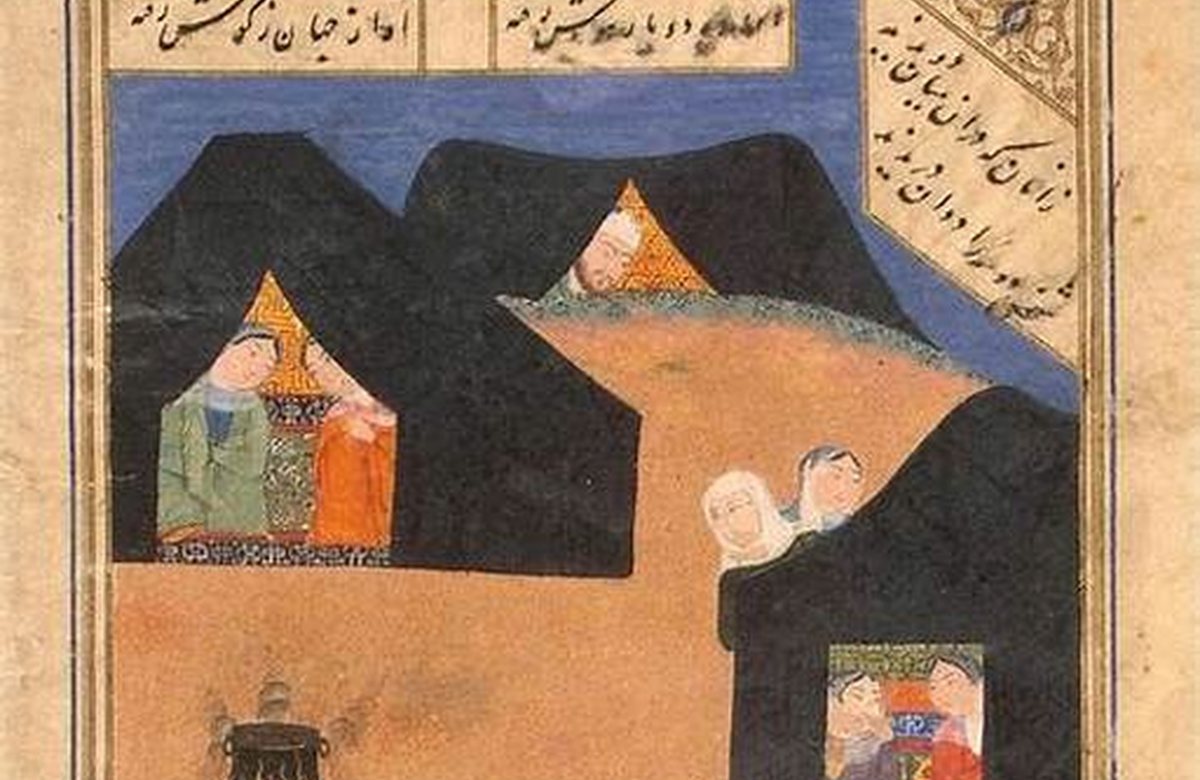
Building a Room Around Persian Blue
Use Persian blue as an accent rather than a theme by pairing it with warm wood, stone, linen and restrained metal.
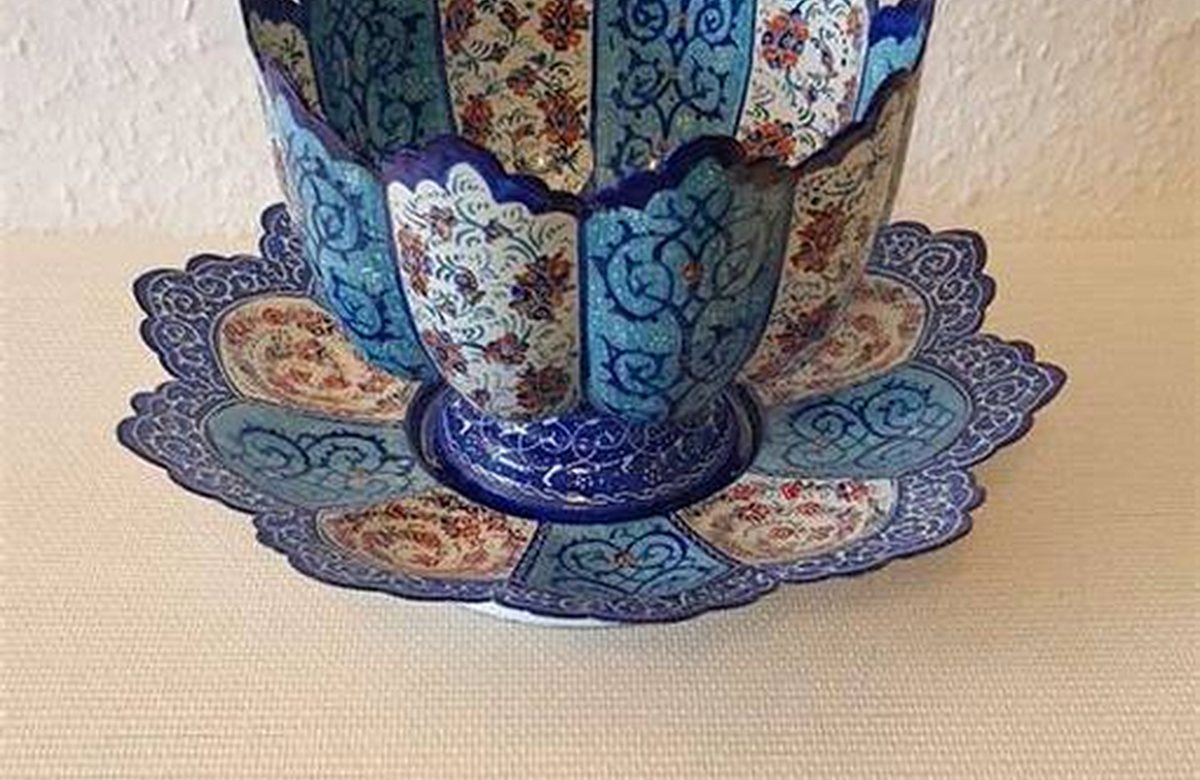
Persian Objects for Small Apartments
Compact enamel plates, boxes, textiles and small vessels can add character without requiring large display space.
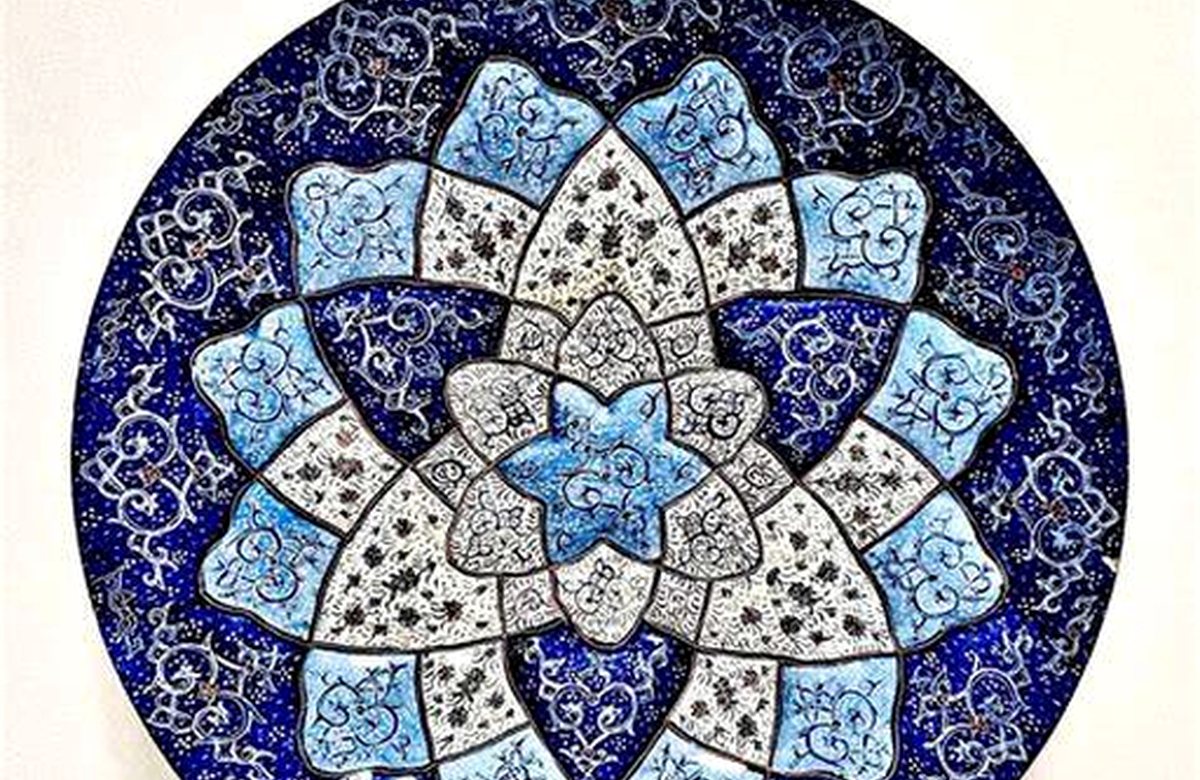
How to Build a Persian-Inspired Gallery Wall
Mix prints, textiles, small plates and framed details with disciplined spacing for a collected rather than crowded wall.
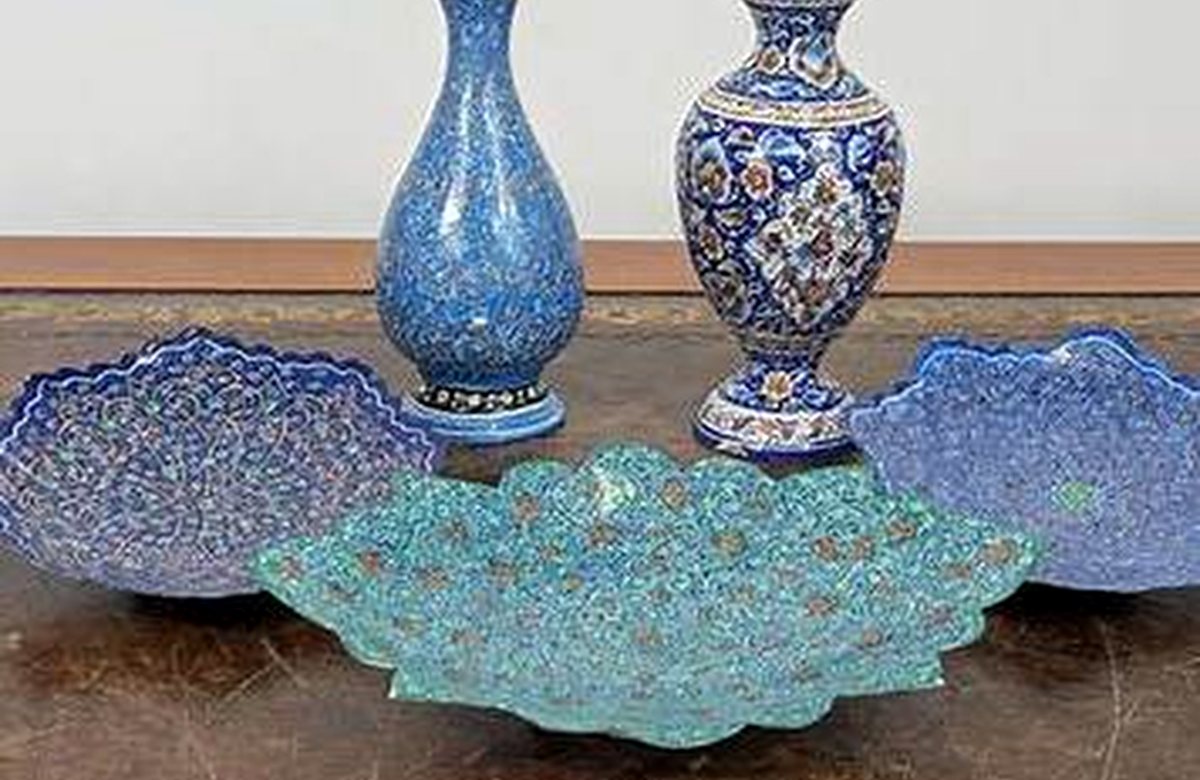
How to Create a Collected Home with Persian Craft
The most convincing interiors grow slowly: choose objects for material, memory and use rather than matching everything at once.
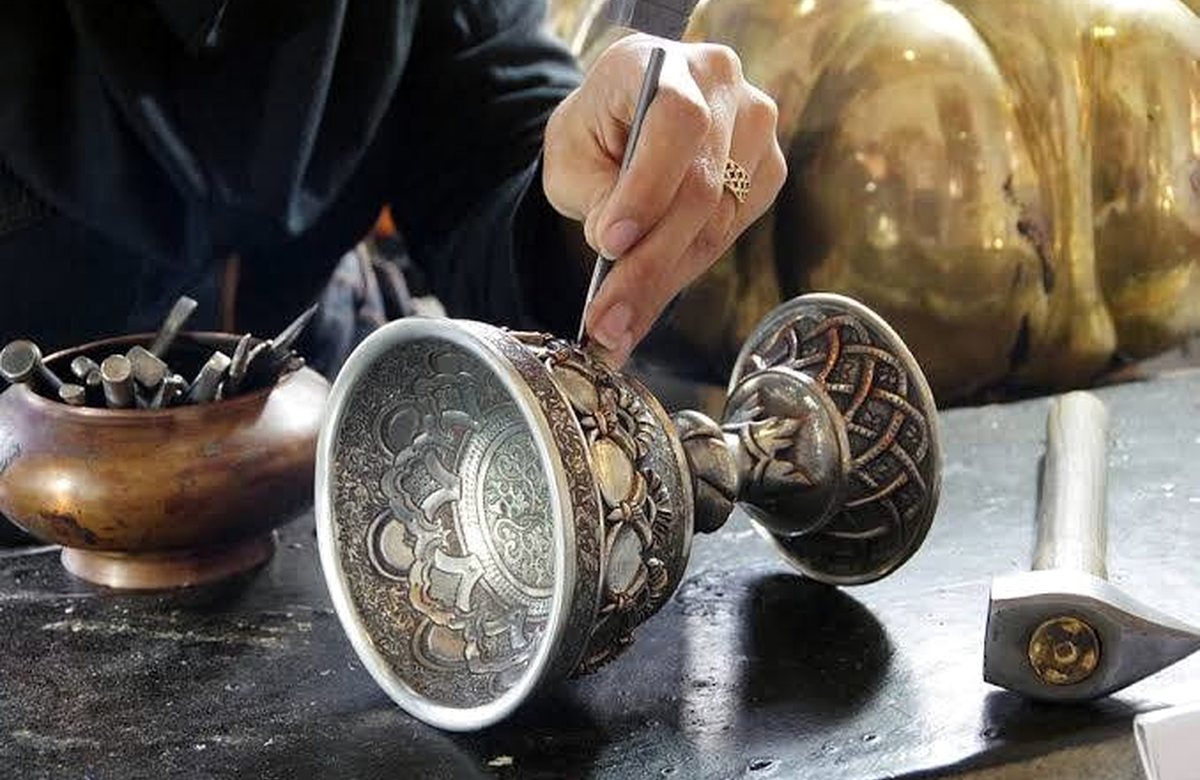
How to Choose Authentic Persian Handicrafts
A practical guide to materials, handmade variation, workmanship, documentation and choosing pieces that feel worth keeping.
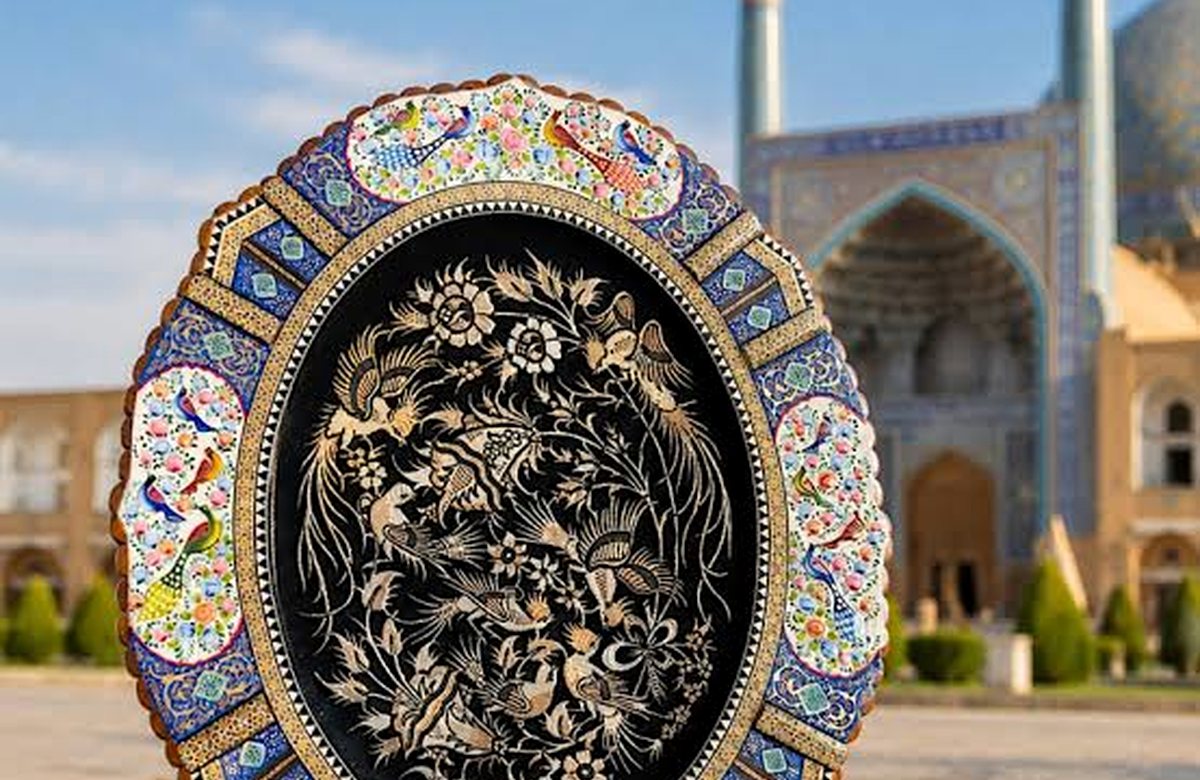
Handmade Variation: What Is Beautiful and What Is a Defect?
Not every irregularity is charming and not every difference is a flaw. Learn how to separate hand-made character from poor finishing.
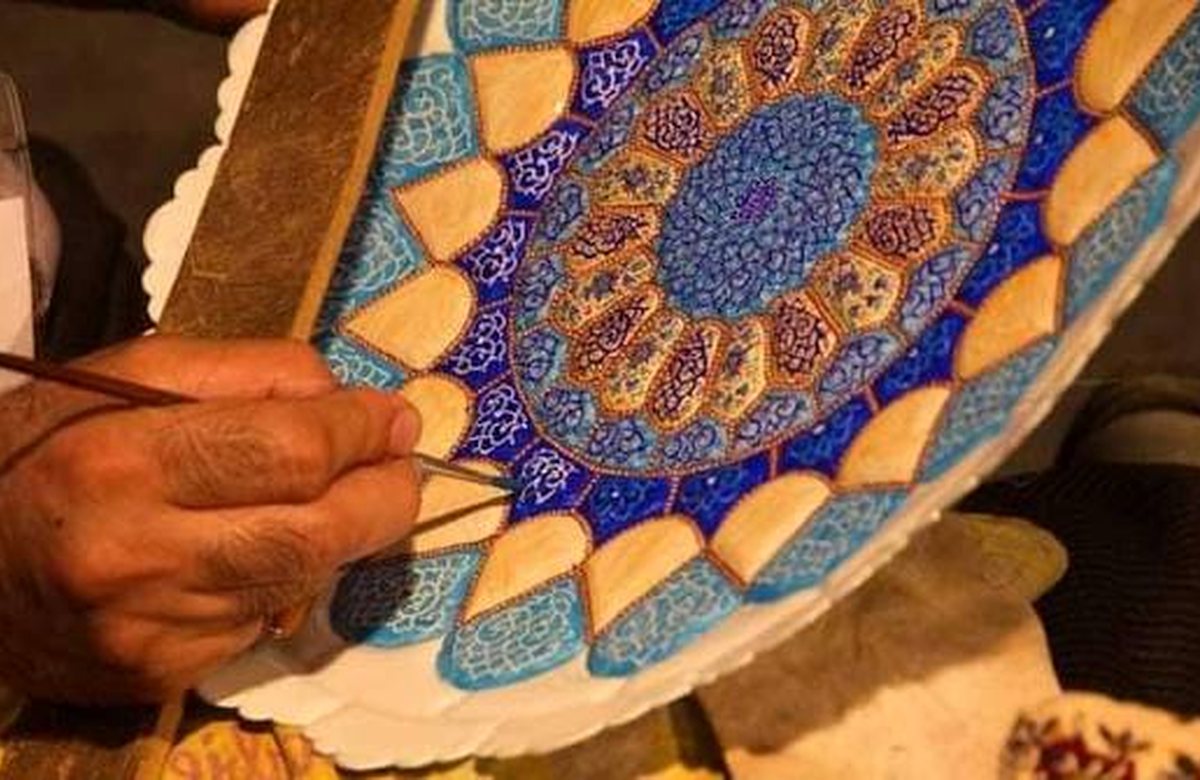
How to Buy Minakari
What to inspect in Persian enamel: surface preparation, painting control, enamel coverage, edges and overall balance.
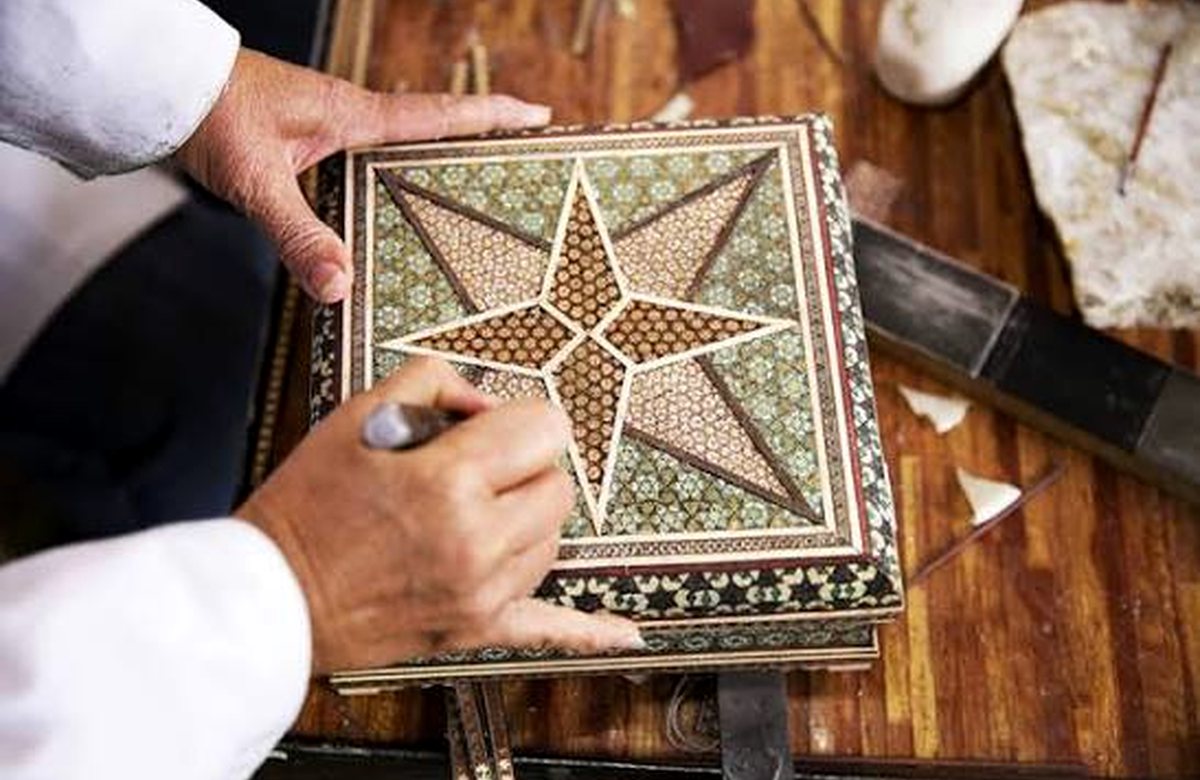
How to Buy Khatamkari
Look closely at pattern density, alignment, joints, surface finish and how the marquetry wraps around edges.
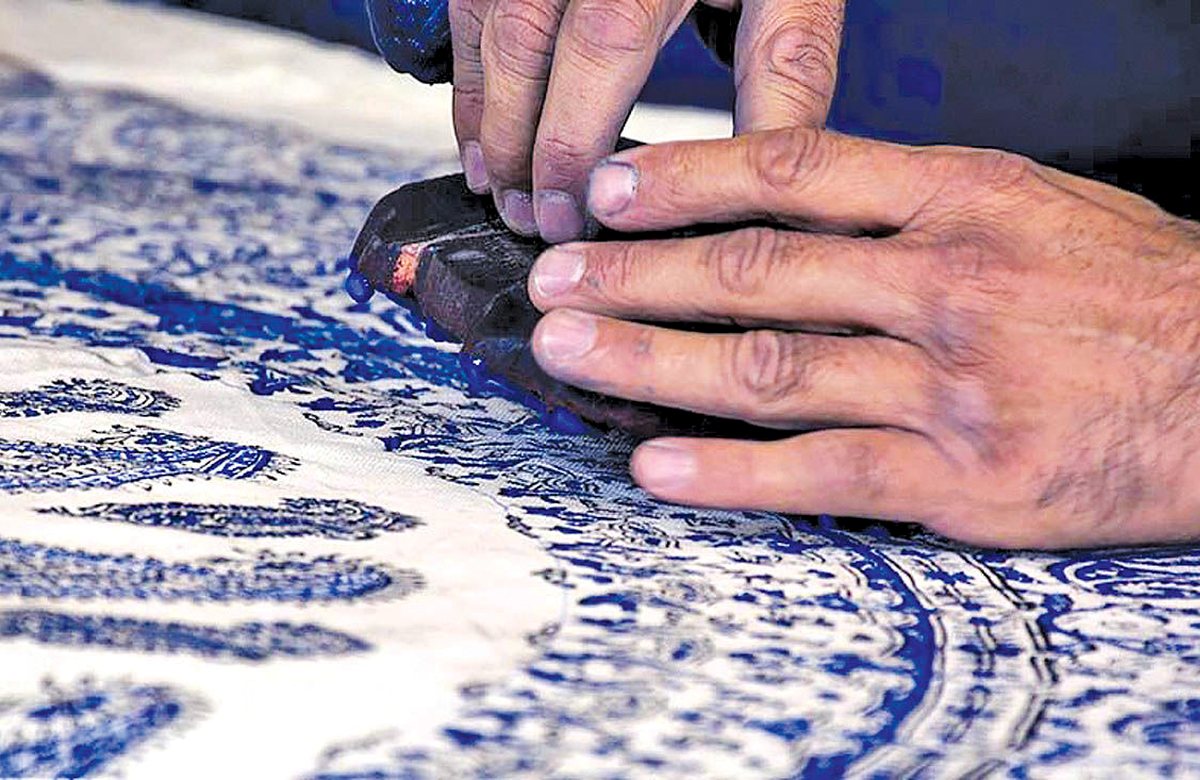
How to Buy Qalamkar
Registration, colour layering, cloth quality and natural hand-print variation all matter when choosing qalamkar.
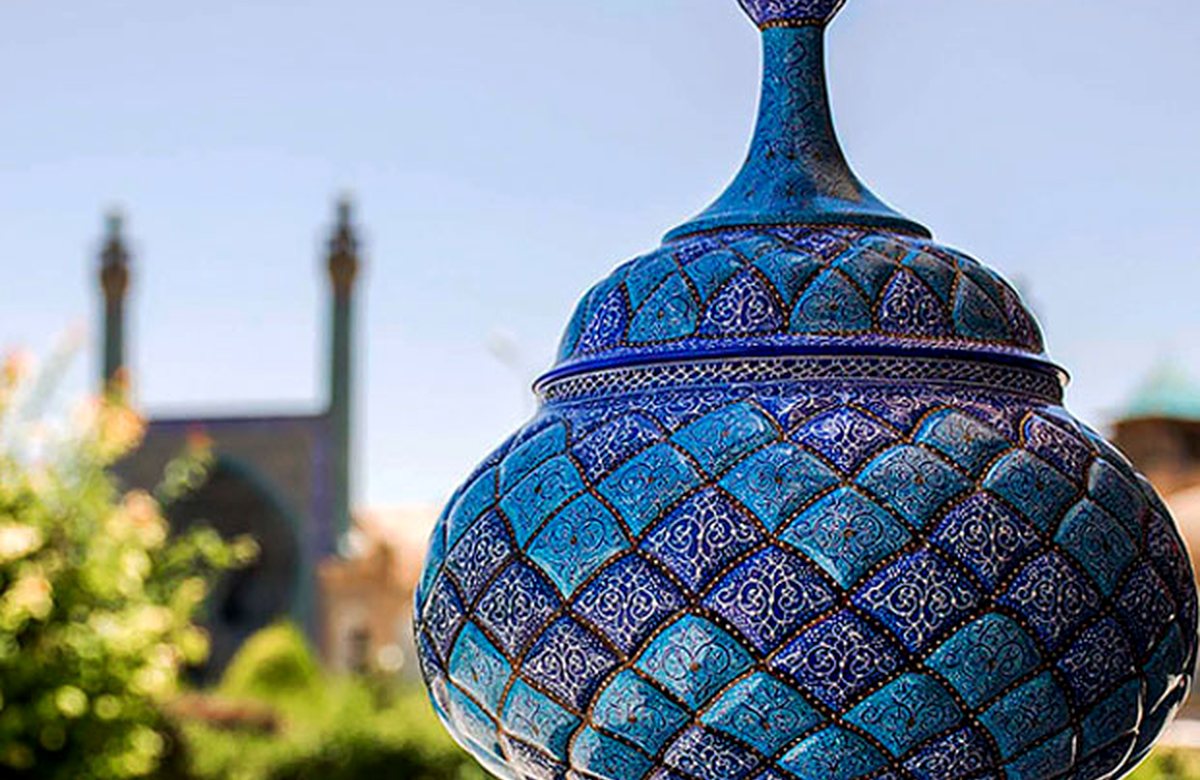
How to Buy Firoozeh-Koobi
Learn to judge stone density, gaps, polish, copper form and finishing when buying turquoise-inlaid copper.
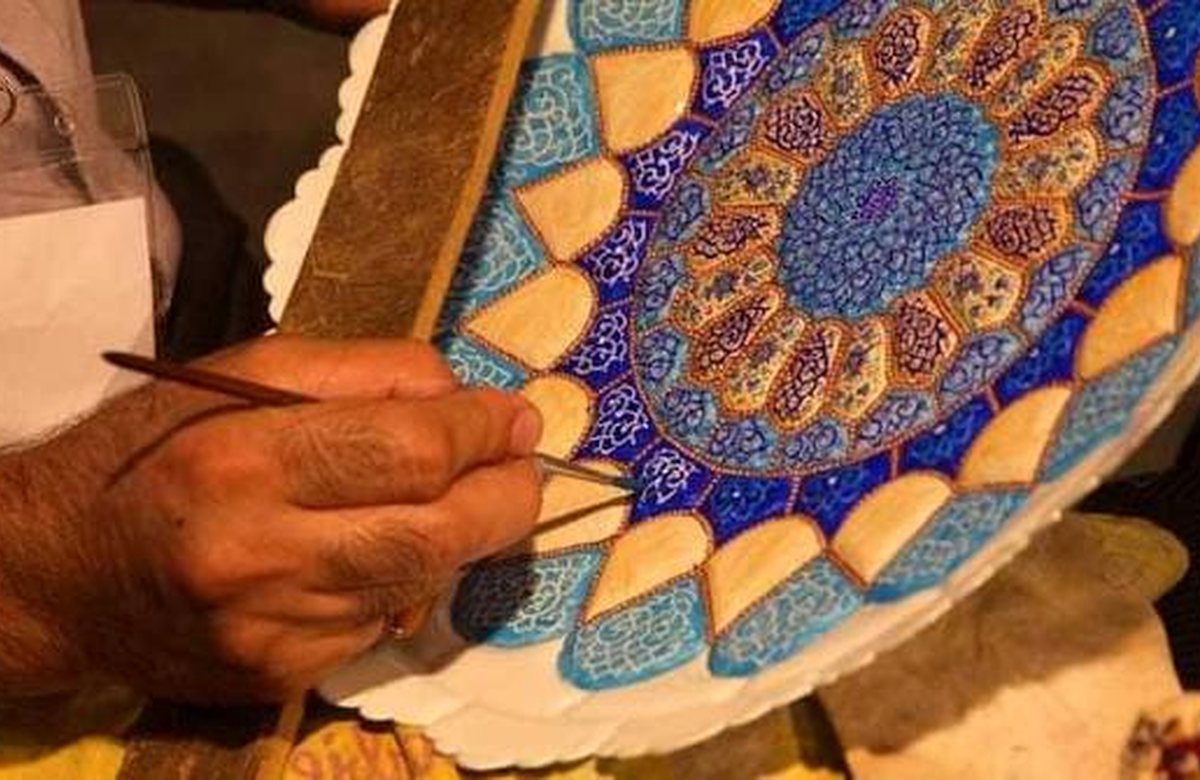
How to Care for Minakari
Keep enamel bright by cleaning gently, avoiding abrasion and protecting painted and fired surfaces from impact.
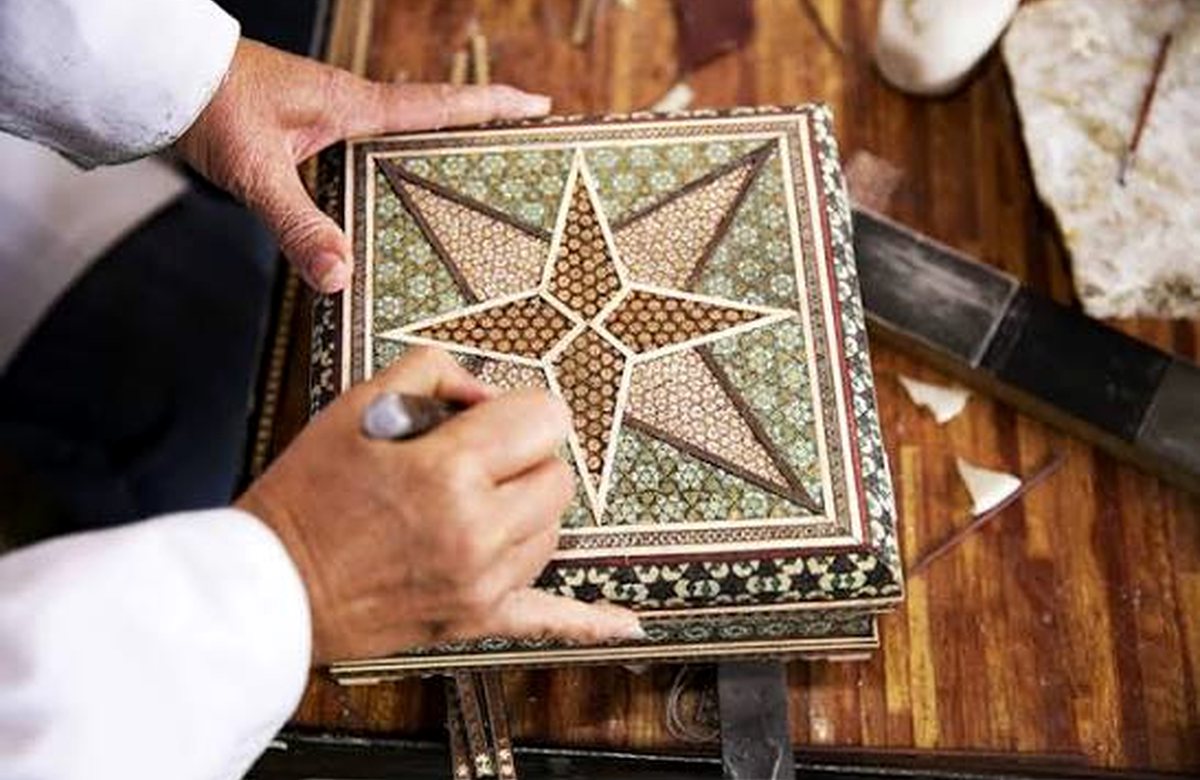
How to Care for Khatam
Khatam prefers stable indoor conditions, gentle dusting and protection from moisture, heat and harsh cleaning products.
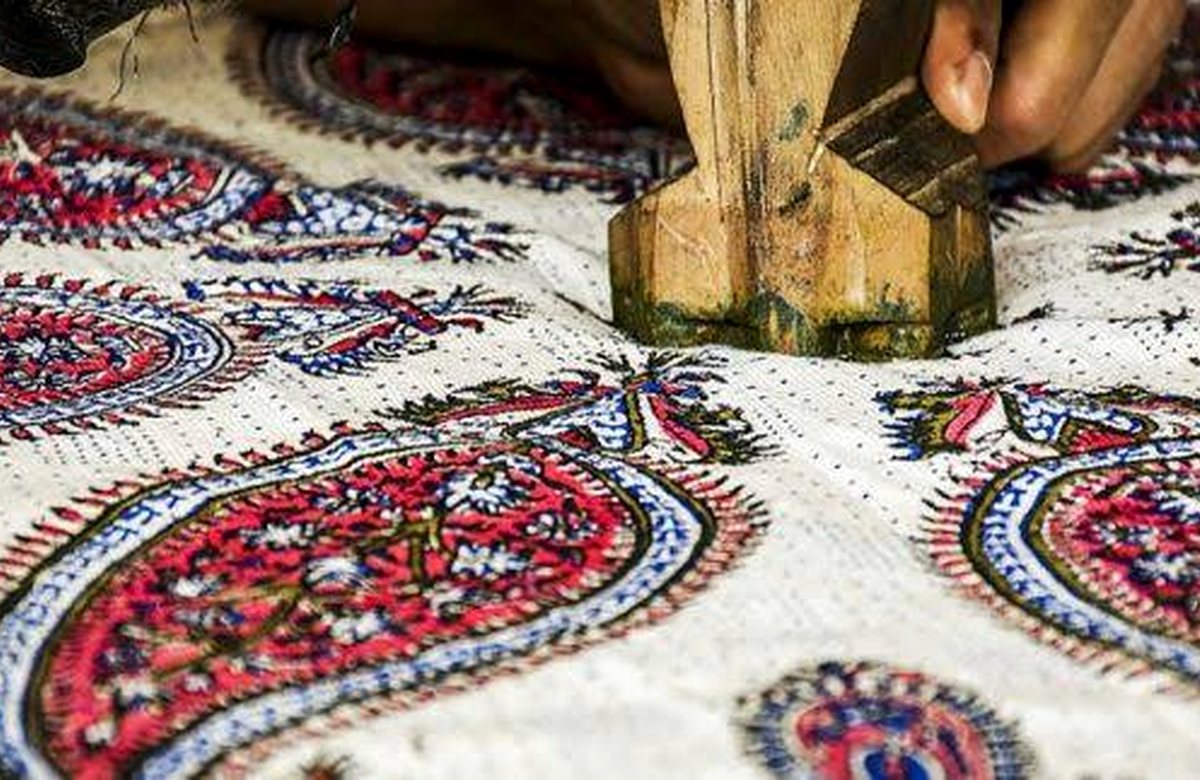
How to Care for Qalamkar Textiles
Handle printed textiles with mild cleaning, careful drying and realistic expectations about natural dyes and hand printing.
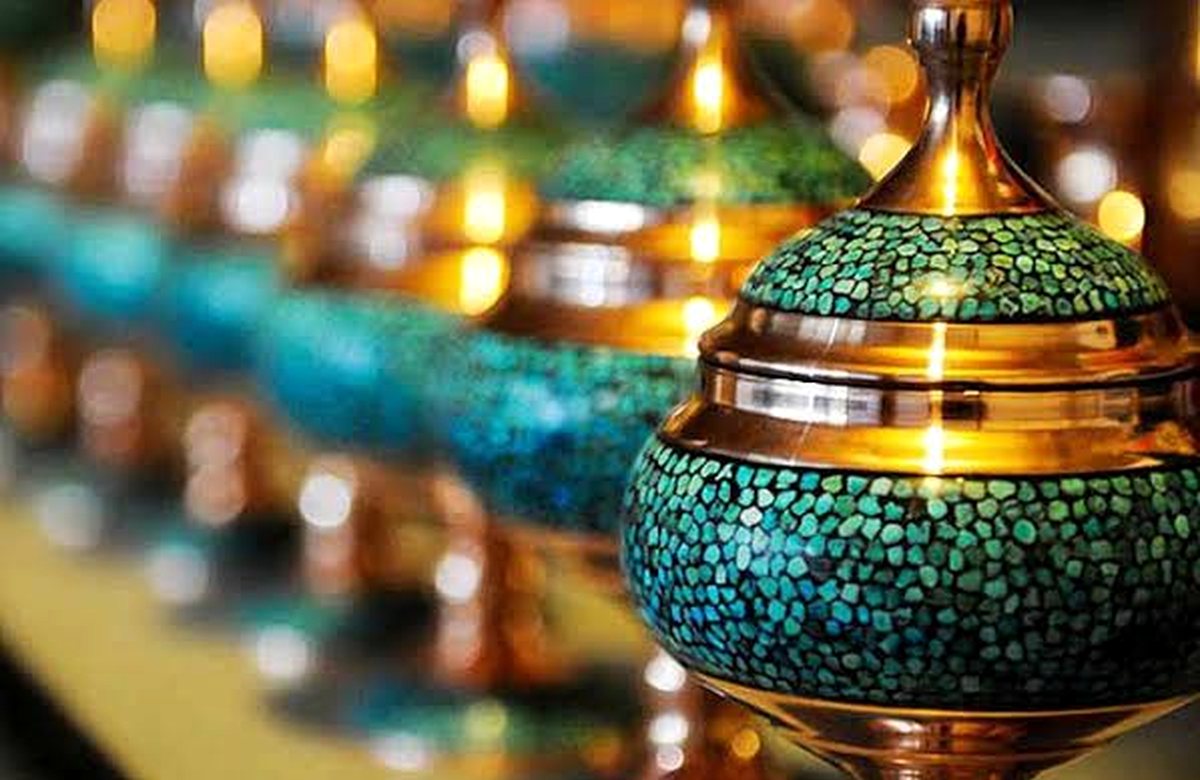
How to Care for Turquoise-Inlaid Copper
Turquoise inlay rewards gentle handling: avoid soaking, aggressive polish and products that can attack stone-setting materials.
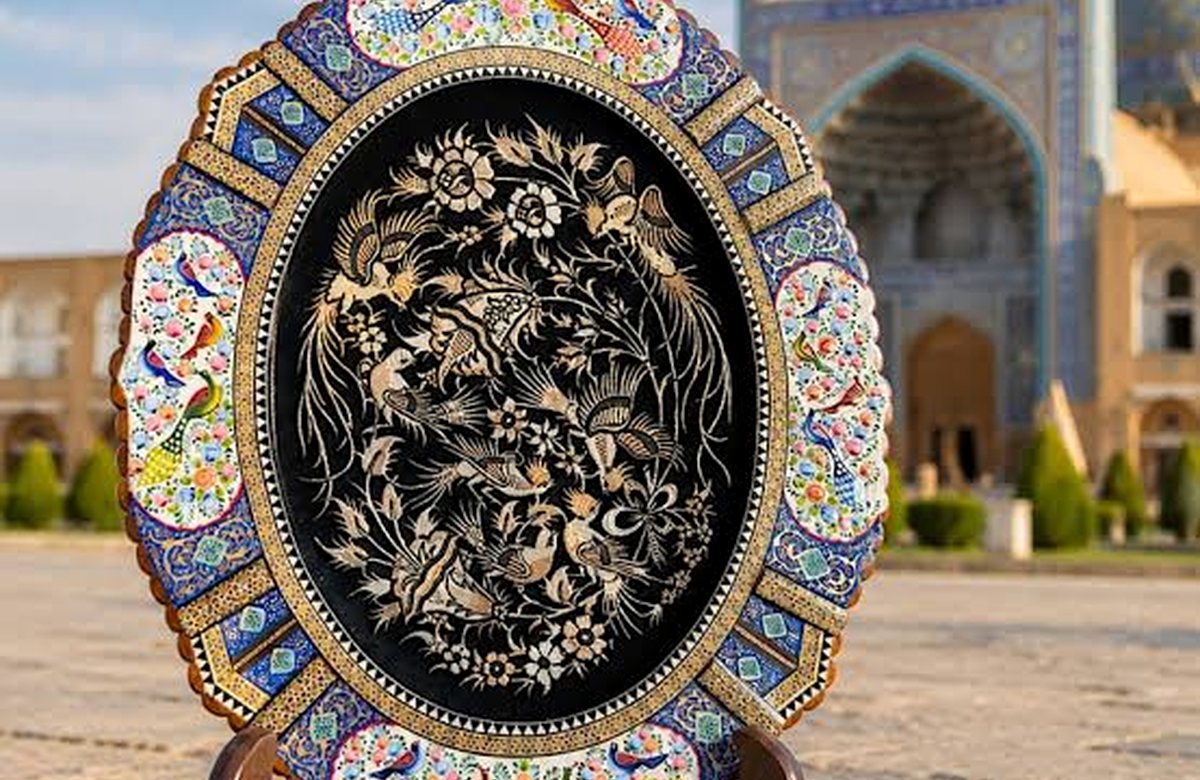
Shipping Fragile Persian Craft Safely
Double boxing, immobilisation, edge protection and realistic parcel sizing matter more than decorative wrapping for fragile craft.
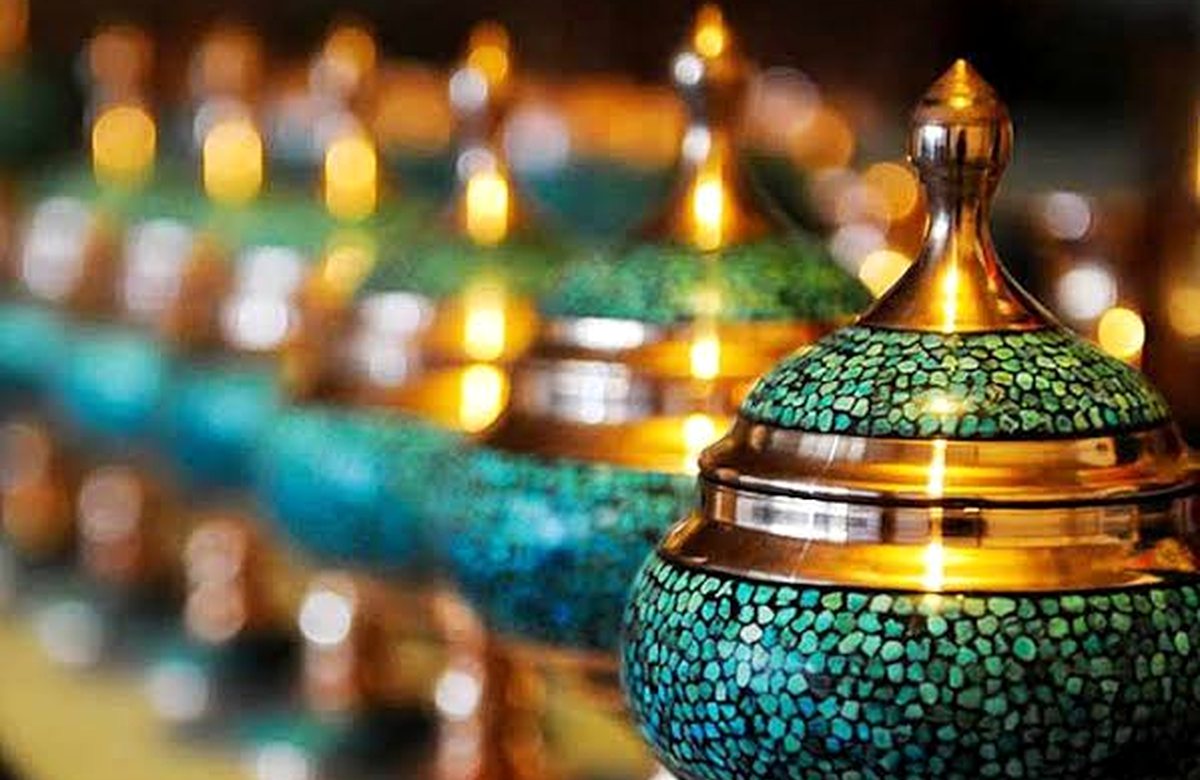
Artisan-Made vs Factory-Made: What to Look For
Use process evidence, variation, finishing and material logic rather than romantic marketing language to judge how an object was made.
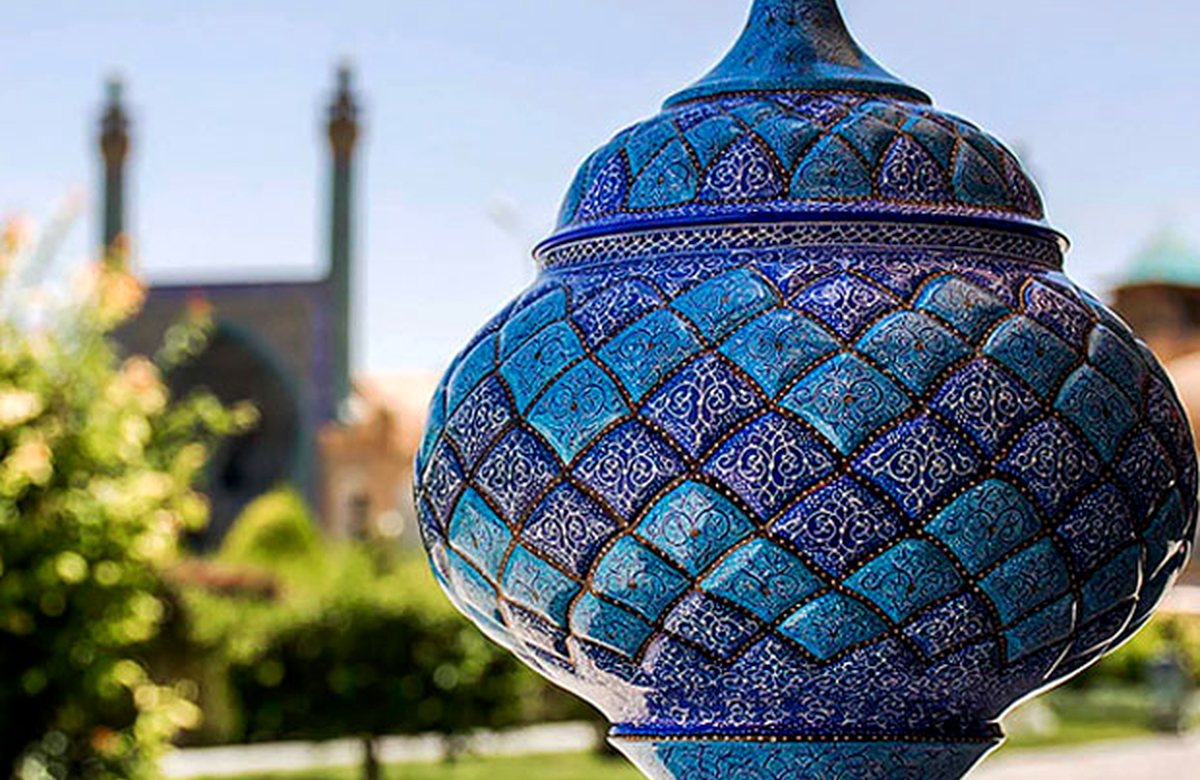
What Makes a Persian Craft Collectible?
Collectibility can come from workmanship, maker, rarity, condition, material, documentation and how clearly a piece represents its technique.
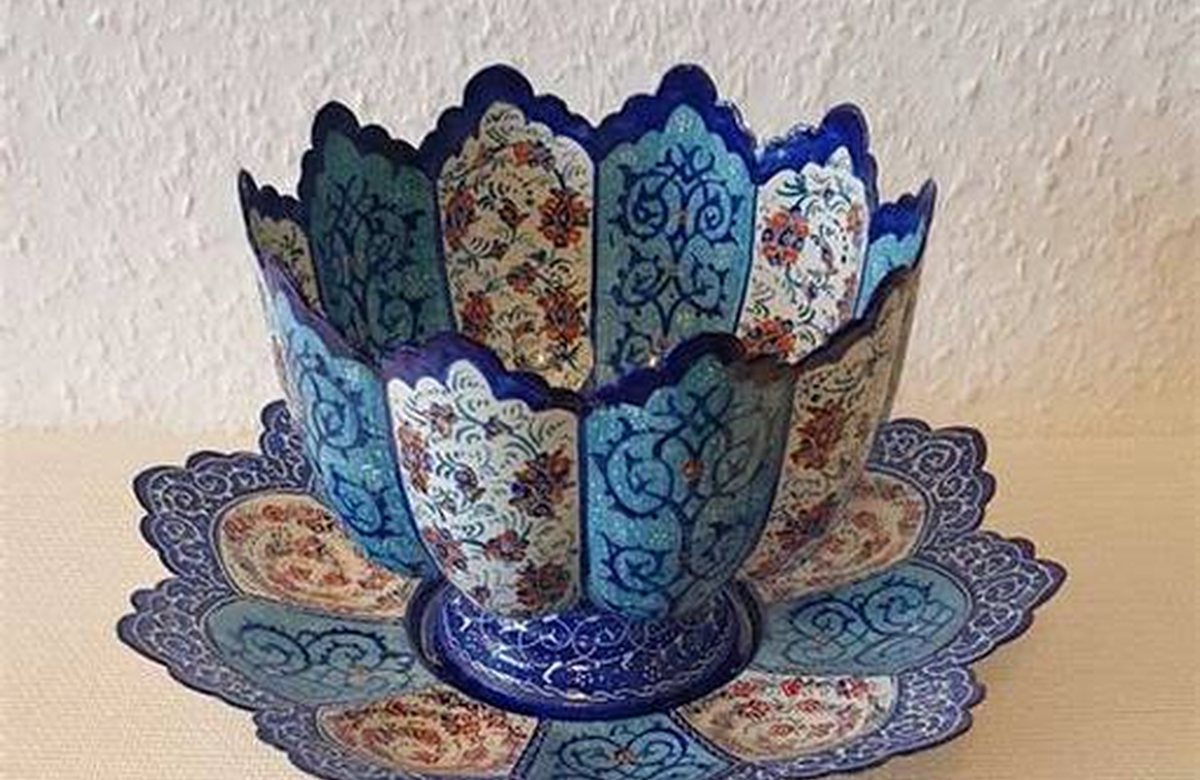
Persian Antiques vs Contemporary Handicrafts
A beginner’s guide to the very different questions involved in buying old objects versus newly made Persian craft.
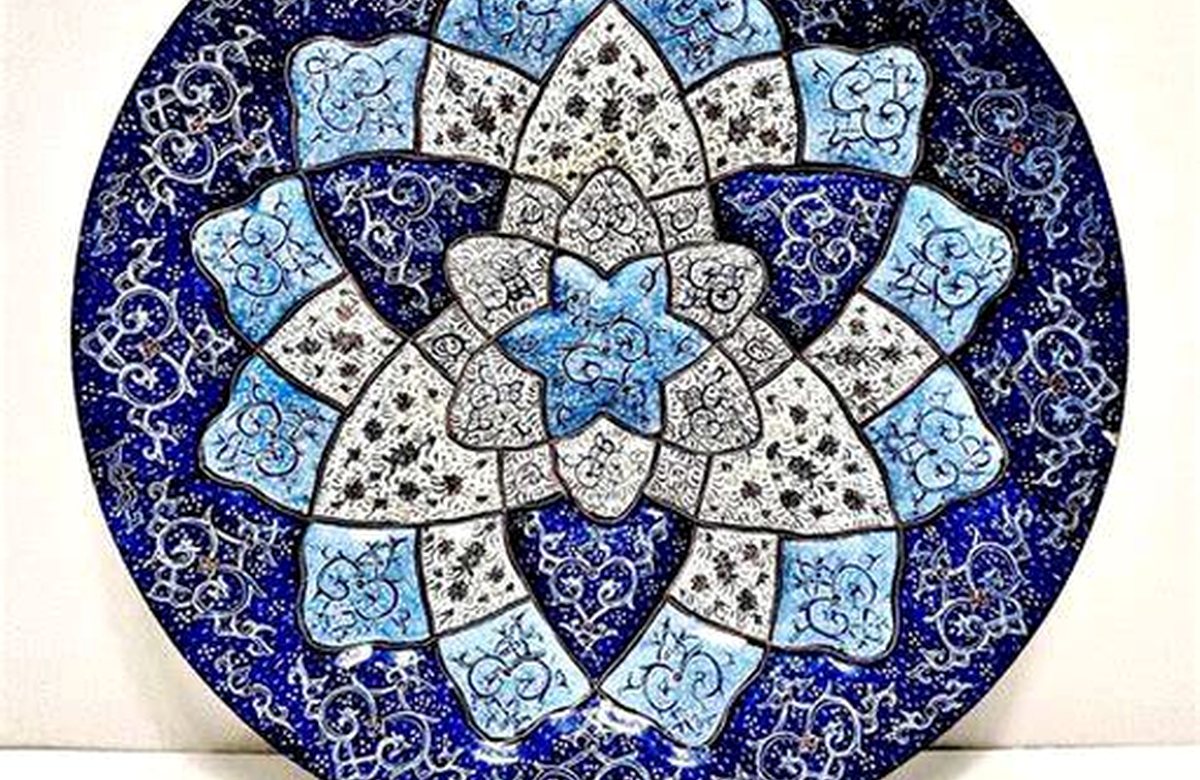
How to Build a Small Persian Craft Collection
Start with a few techniques you genuinely enjoy, learn their materials, and let quality outrank quantity.
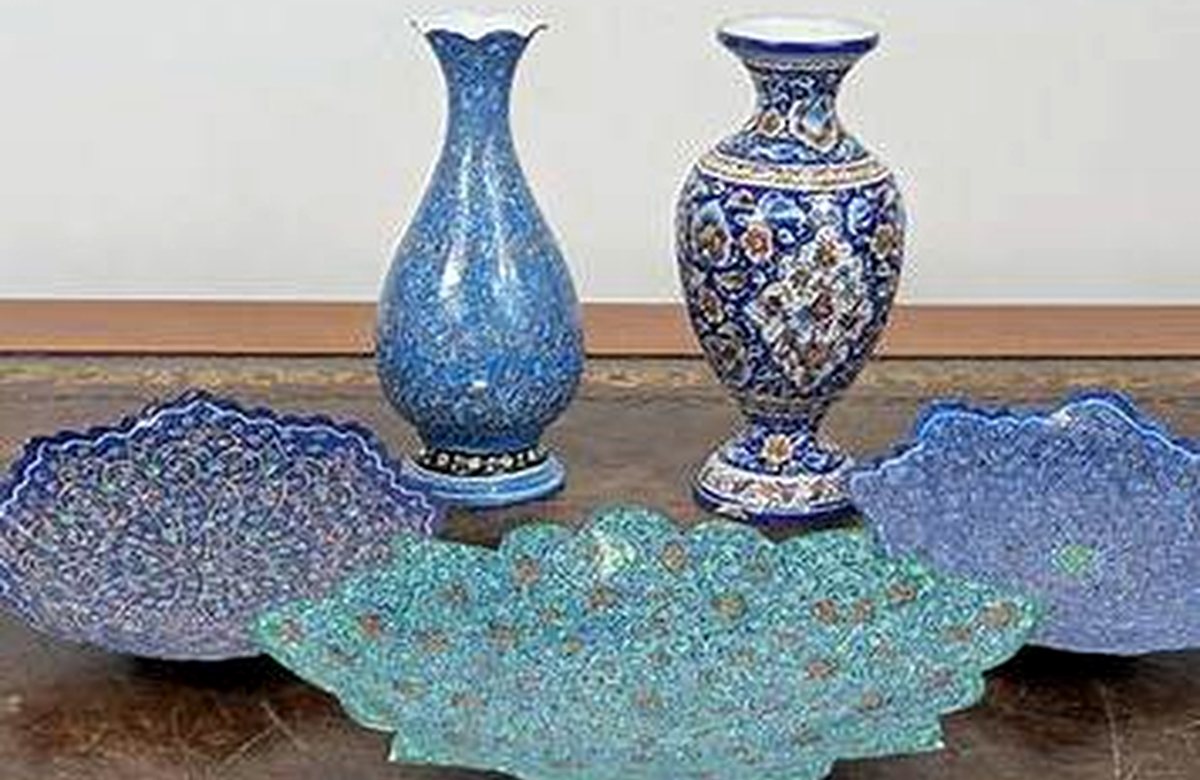
Persian Gift Ideas: What to Choose and Why
A practical gift guide for people who want something recognisably Persian, beautiful, useful and manageable to ship.
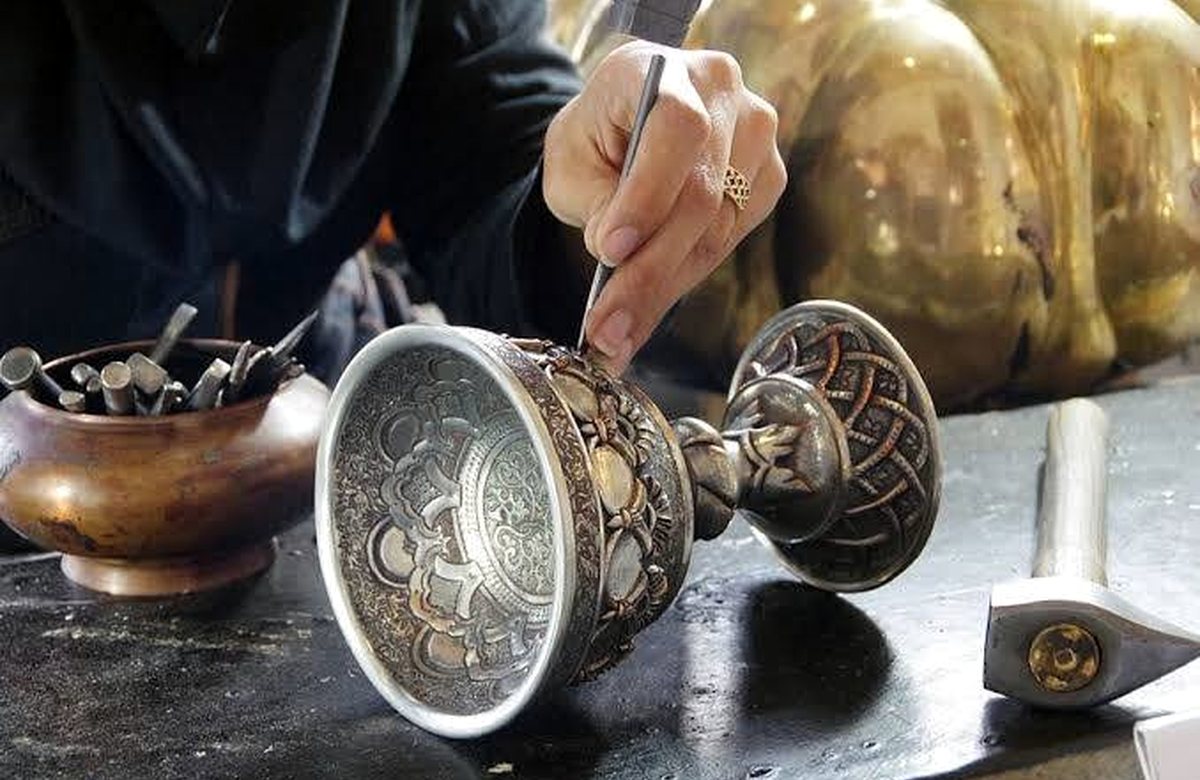
Persian Housewarming Gifts
Small textiles, enamel plates and boxes work especially well as housewarming gifts because they are decorative without being too personal.
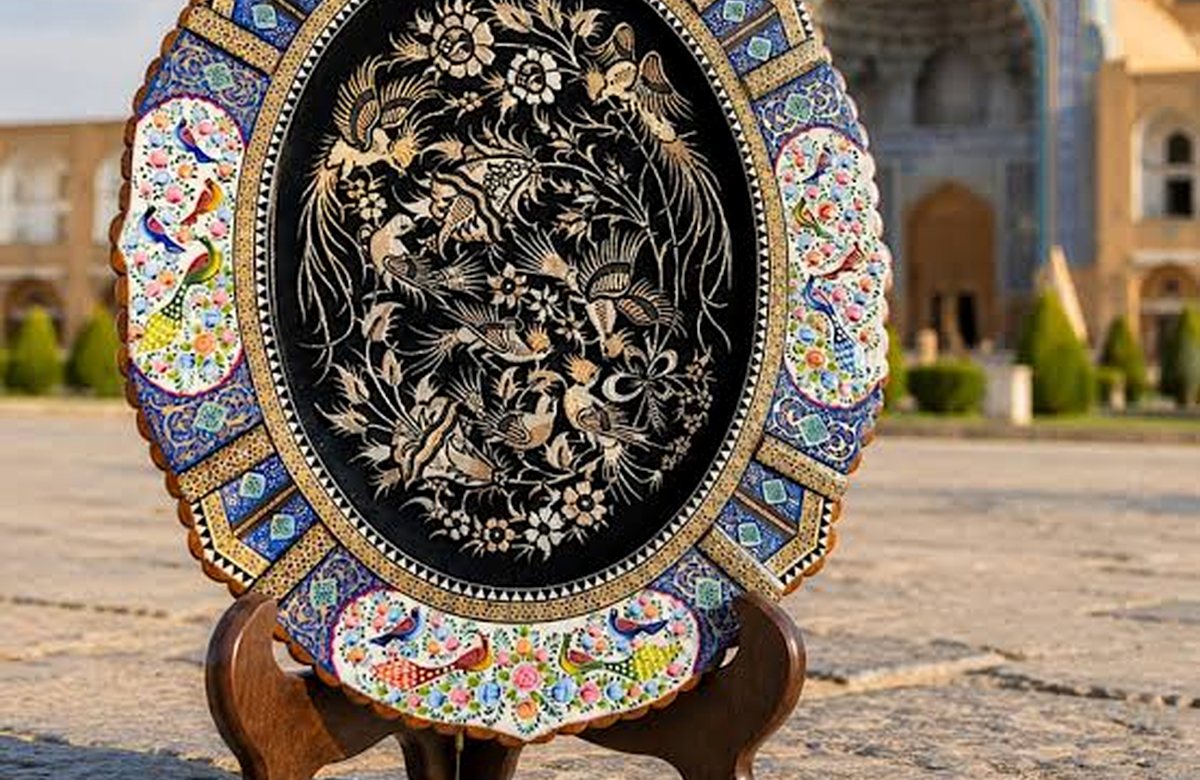
Persian Wedding Gifts
How to choose a Persian wedding gift with enough presence for the occasion while still being useful in a shared home.
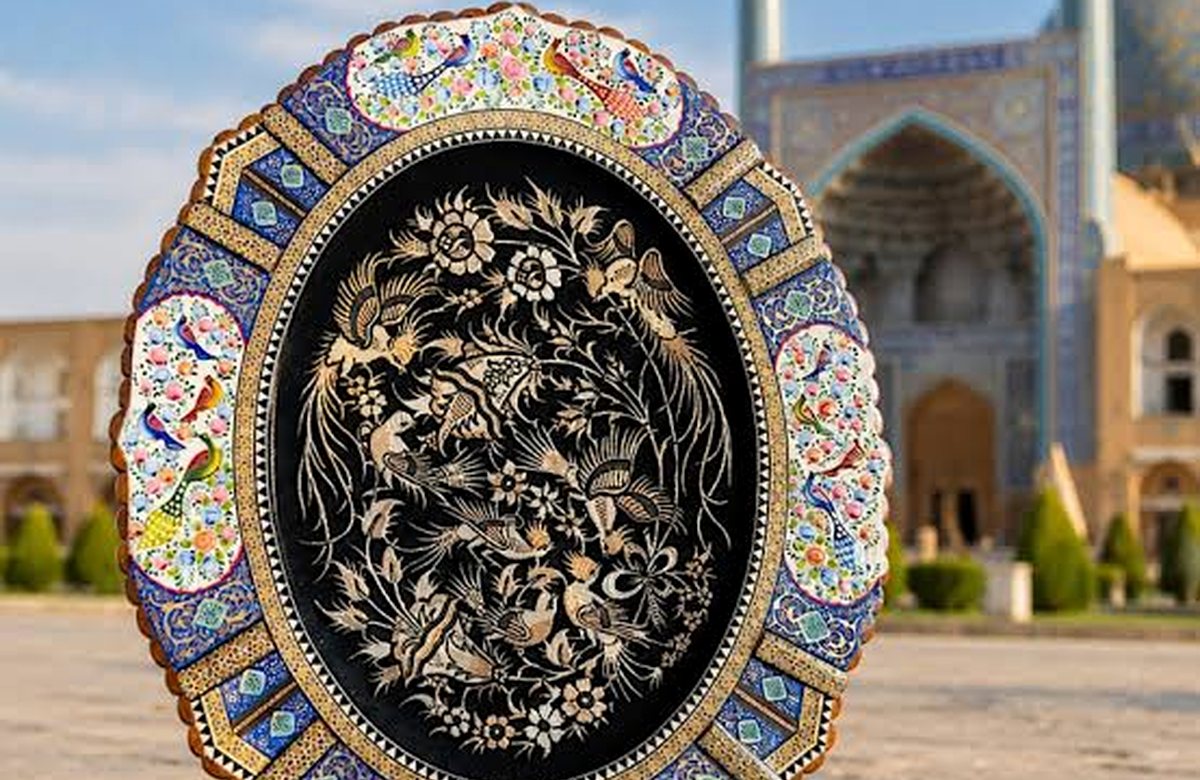
Persian Gifts for Hosts
Thoughtful host gifts should travel easily, open a conversation and be simple for the recipient to use or display.
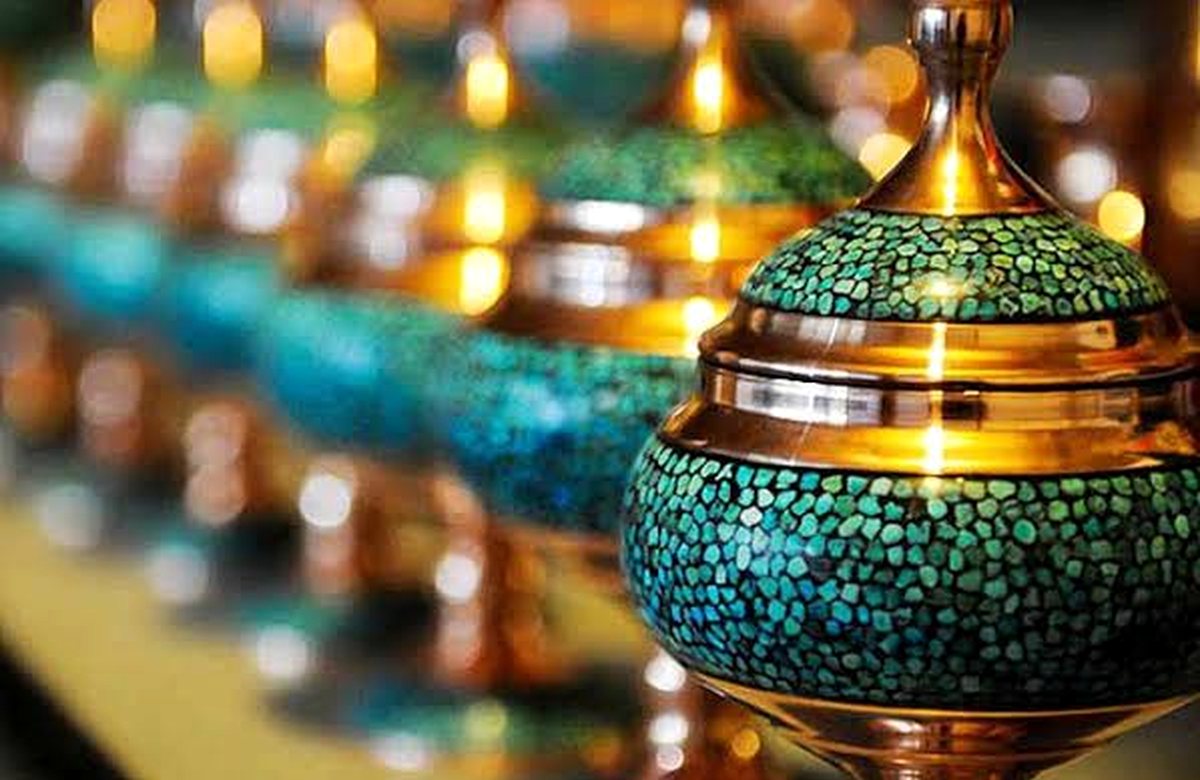
Persian Gifts for Design Lovers
For design-focused recipients, choose pieces where the material and process are easy to see: geometry, brushwork, inlay or engraving.
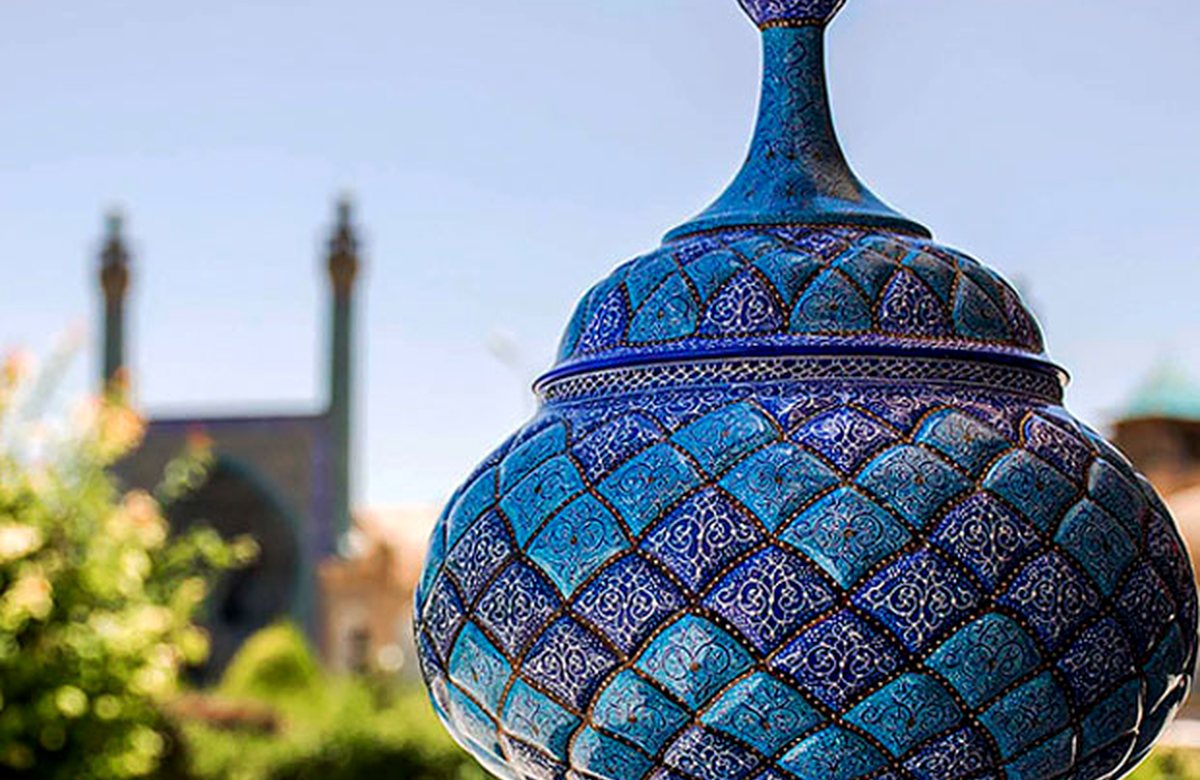
Persian Gifts for Collectors
Collectors usually prefer a strong example of a technique over the largest object. Look for execution, documentation and distinctive details.
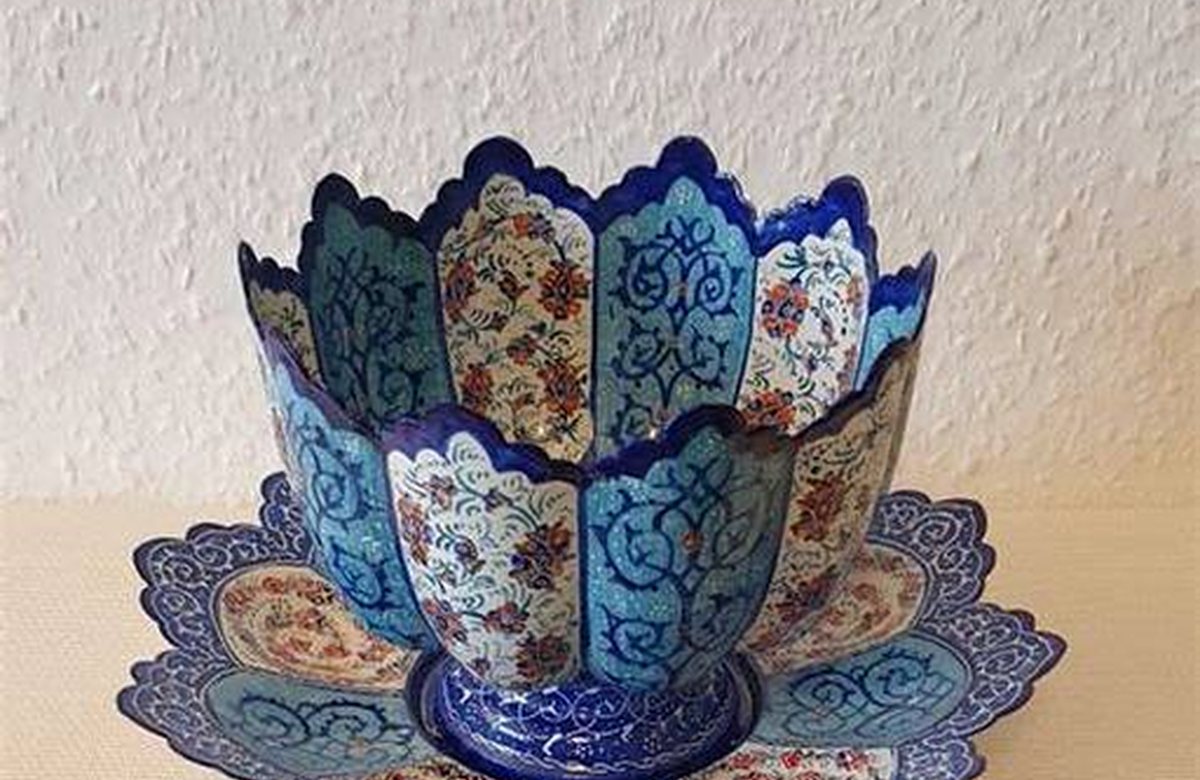
Nowruz Gift Ideas with Persian Craft
Persian craft can make a thoughtful Nowruz gift when the object feels connected to renewal, hospitality and the home.
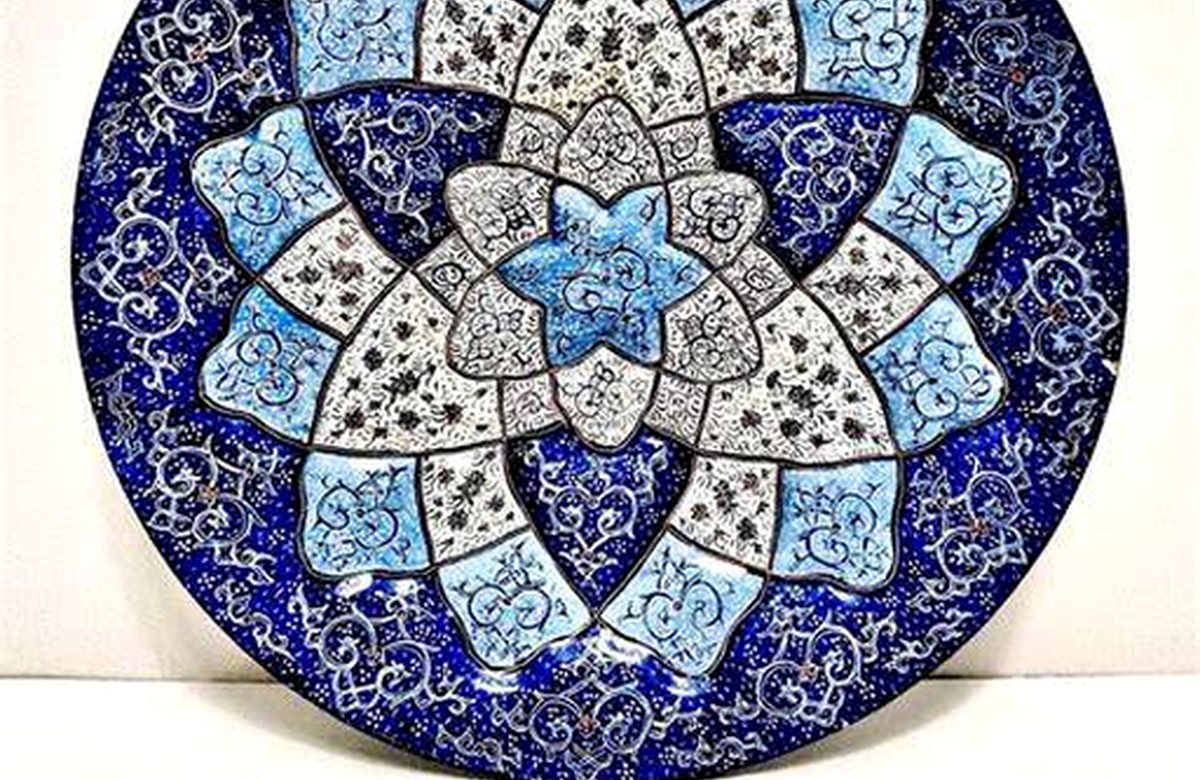
Corporate Gifts with Persian Craft
Compact boxes, desk objects and textiles can become distinctive professional gifts when presentation stays restrained and useful.
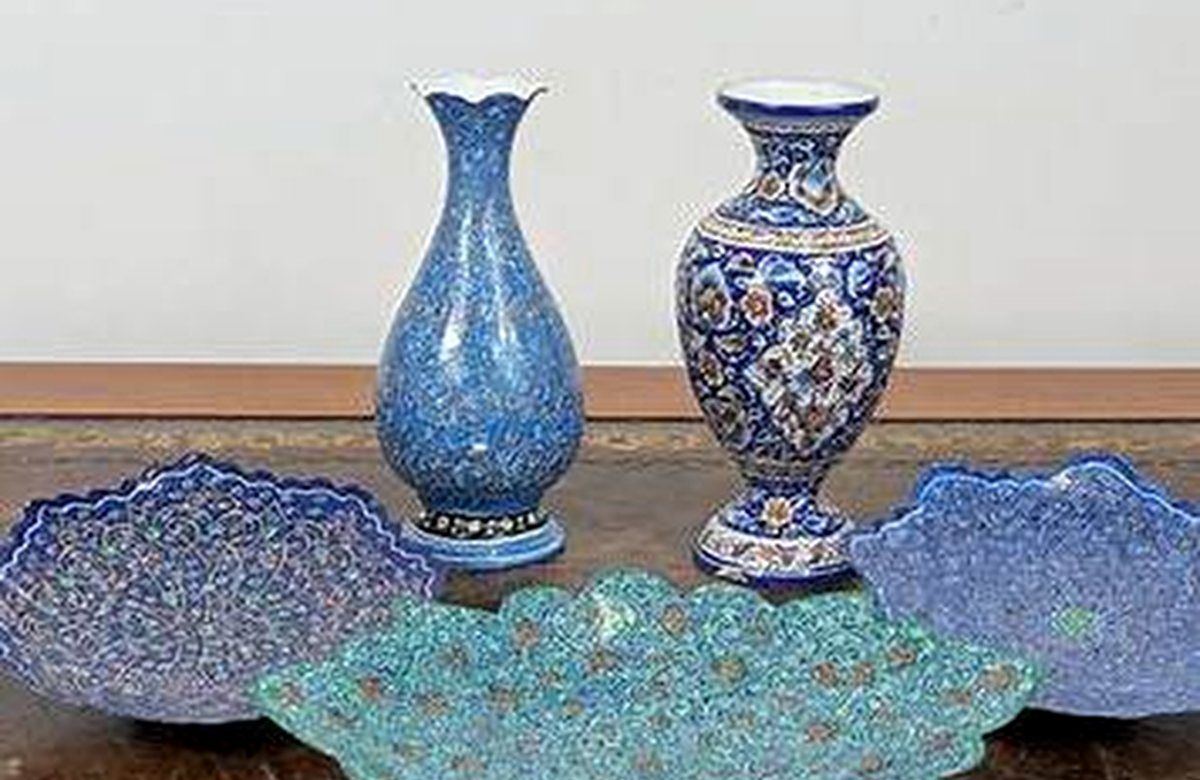
How to Choose a Meaningful Persian Gift on a Budget
Meaning does not require size: a small well-made object with a clear craft story can be more memorable than a large generic souvenir.
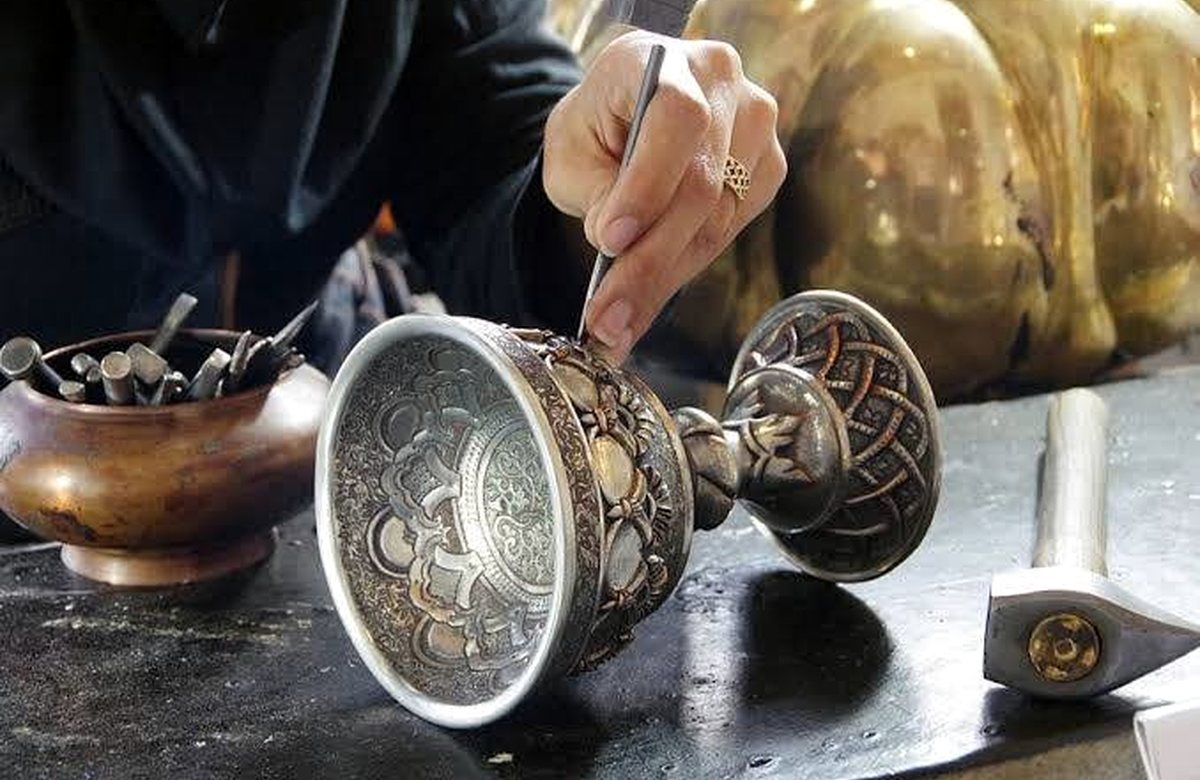
Why Handmade Gifts Feel Different
Handmade gifts carry visible time, small variations and a story of process — qualities that make the object feel chosen rather than generic.