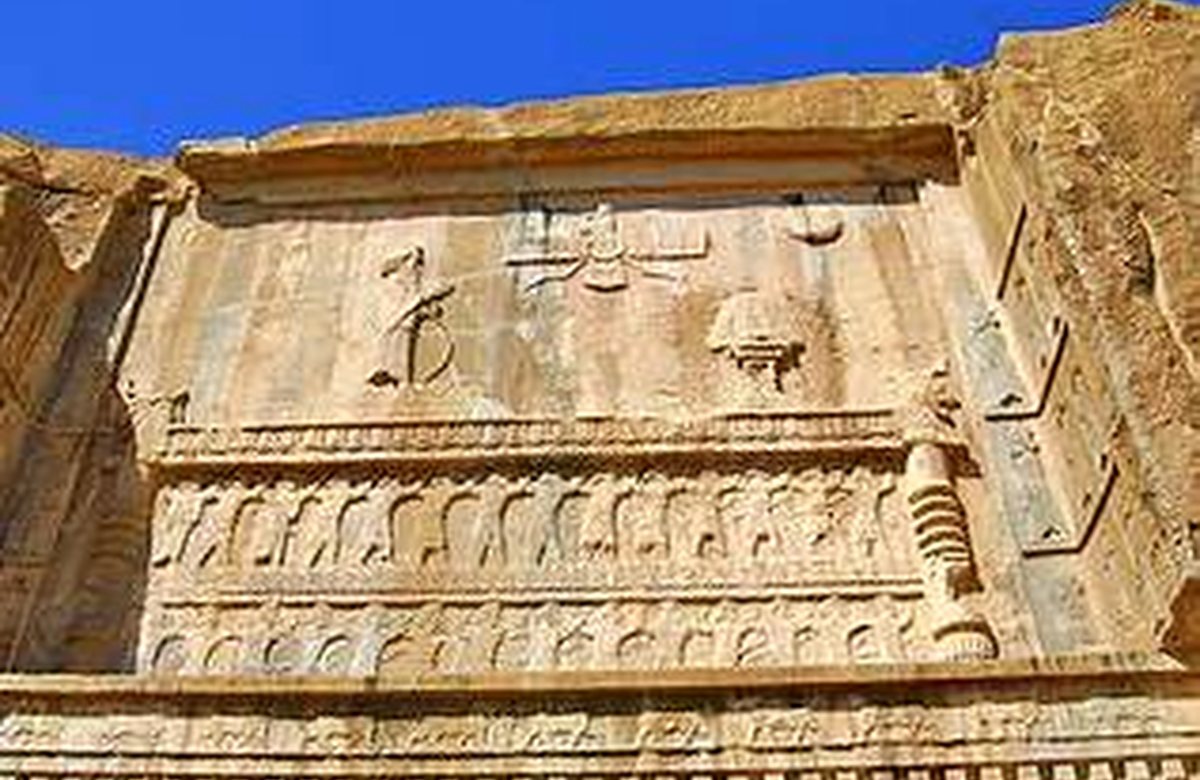
Place matters in craft because materials, trade routes, patrons and local habits all influence what gets made. The Caspian provinces bring wood, fibre, ceramics and everyday craft into a landscape very different from central Iran.
Place and material
Persian ceramics span many periods and techniques, including glazed earthenware and stonepaste traditions. Colour, body, glaze and painted decoration changed with technology and trade. Blue-and-white ceramics in Safavid Iran demonstrate how Persian workshops could absorb global visual exchange while producing locally meaningful forms.
Seen this way, the object becomes more than a souvenir; it becomes evidence of a process, a material choice and a particular visual culture. Regional identity is strongest when it is tied to observable materials, techniques and market histories rather than vague claims of exclusivity.
Workshop traditions
The Caspian north has wetter landscapes and different material resources from central Iran, supporting distinctive wood, fibre and everyday craft traditions. Regional labels are useful, but they should not be treated as sealed borders: makers, materials and designs move between cities, villages and markets.
That distinction matters because decorative complexity can hide poor finishing just as easily as it can reveal skill. Regional identity is strongest when it is tied to observable materials, techniques and market histories rather than vague claims of exclusivity.
What moves between regions
For a contemporary buyer, this creates a useful balance between visual pleasure and informed judgement. Seen this way, the object becomes more than a souvenir; it becomes evidence of a process, a material choice and a particular visual culture.
The strongest examples usually feel controlled rather than mechanically perfect: the eye can sense rhythm without losing the presence of the hand. Regional identity is strongest when it is tied to observable materials, techniques and market histories rather than vague claims of exclusivity.
How to read regional labels
Persian ceramics span many periods and techniques, including glazed earthenware and stonepaste traditions. Colour, body, glaze and painted decoration changed with technology and trade. Blue-and-white ceramics in Safavid Iran demonstrate how Persian workshops could absorb global visual exchange while producing locally meaningful forms.
It is also worth separating historical association from modern marketing. A living craft can be valuable without pretending every contemporary object is an unchanged survival from antiquity. Regional identity is strongest when it is tied to observable materials, techniques and market histories rather than vague claims of exclusivity.
- Persian ceramics span many periods and techniques, including glazed earthenware and stonepaste traditions. Colour, body, glaze and painted decoration changed with technology and trade.
- Blue-and-white ceramics in Safavid Iran demonstrate how Persian workshops could absorb global visual exchange while producing locally meaningful forms.
- The Caspian north has wetter landscapes and different material resources from central Iran, supporting distinctive wood, fibre and everyday craft traditions.
Sources & further reading
- UNESCO Intangible Cultural Heritage — Iran
- The Metropolitan Museum of Art — Heilbrunn Timeline
- Encyclopaedia Iranica
This Journal is written as accessible editorial guidance, not as an attribution or authentication service. Dates, workshop practices and regional labels can vary by object.