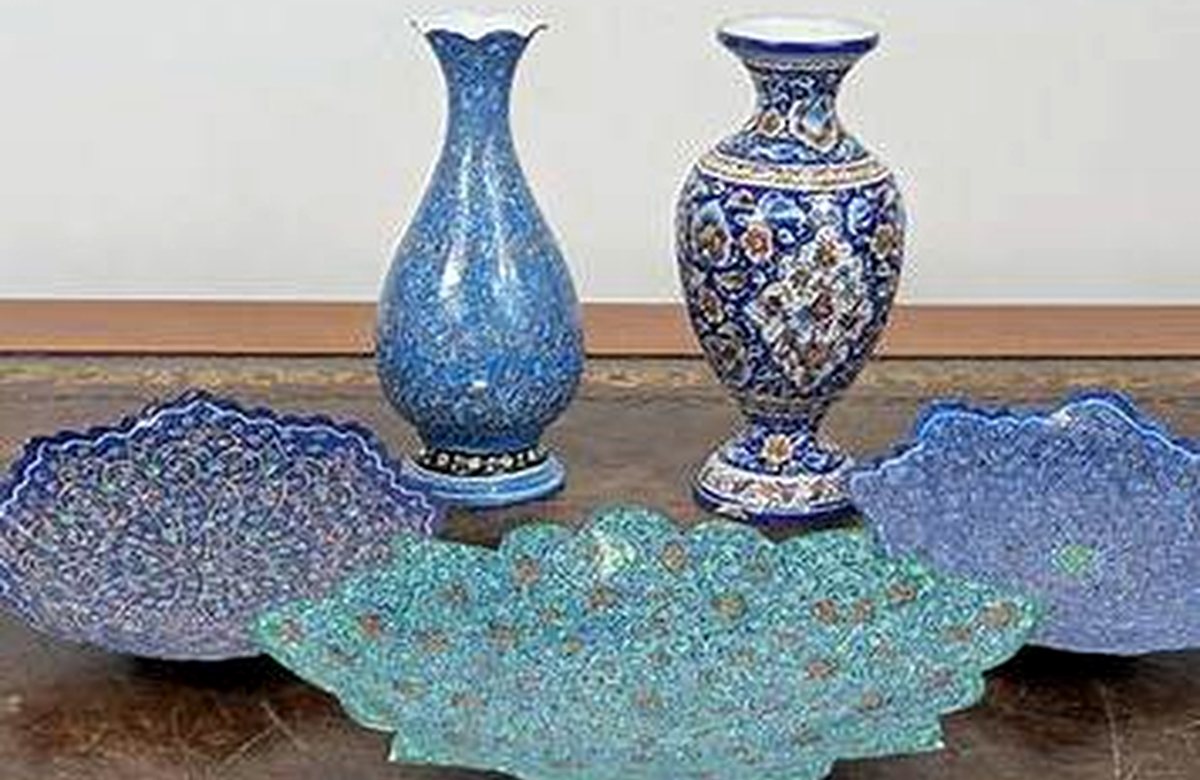
Persian craft works especially well as a gift when the recipient can understand the technique quickly and find a natural place for the object at home. A practical gift guide for people who want something recognisably Persian, beautiful, useful and manageable to ship.
Match the object to the person
A strong gift balances visual character with ease of use. Small boxes, textiles, plates and vessels are easier to place in a home than highly specialised ceremonial objects. The story should support the object rather than overwhelm it. A short note about material and technique is often more meaningful than exaggerated claims of age or symbolism.
The strongest examples usually feel controlled rather than mechanically perfect: the eye can sense rhythm without losing the presence of the hand. A short note naming the technique and material is enough to make the gift more personal without turning the presentation into a lecture.
Think about scale and use
For a contemporary buyer, this creates a useful balance between visual pleasure and informed judgement. Seen this way, the object becomes more than a souvenir; it becomes evidence of a process, a material choice and a particular visual culture.
It is also worth separating historical association from modern marketing. A living craft can be valuable without pretending every contemporary object is an unchanged survival from antiquity. A short note naming the technique and material is enough to make the gift more personal without turning the presentation into a lecture.
Let the craft story stay concise
That distinction matters because decorative complexity can hide poor finishing just as easily as it can reveal skill. The strongest examples usually feel controlled rather than mechanically perfect: the eye can sense rhythm without losing the presence of the hand.
For a contemporary buyer, this creates a useful balance between visual pleasure and informed judgement. A short note naming the technique and material is enough to make the gift more personal without turning the presentation into a lecture.
Presentation and longevity
A strong gift balances visual character with ease of use. Small boxes, textiles, plates and vessels are easier to place in a home than highly specialised ceremonial objects. The story should support the object rather than overwhelm it. A short note about material and technique is often more meaningful than exaggerated claims of age or symbolism.
Seen this way, the object becomes more than a souvenir; it becomes evidence of a process, a material choice and a particular visual culture. A short note naming the technique and material is enough to make the gift more personal without turning the presentation into a lecture.
- A strong gift balances visual character with ease of use. Small boxes, textiles, plates and vessels are easier to place in a home than highly specialised ceremonial objects.
- The story should support the object rather than overwhelm it. A short note about material and technique is often more meaningful than exaggerated claims of age or symbolism.
- That distinction matters because decorative complexity can hide poor finishing just as easily as it can reveal skill.
Sources & further reading
- Victoria and Albert Museum — Islamic Middle East collections
- The Metropolitan Museum of Art — Heilbrunn Timeline
This Journal is written as accessible editorial guidance, not as an attribution or authentication service. Dates, workshop practices and regional labels can vary by object.