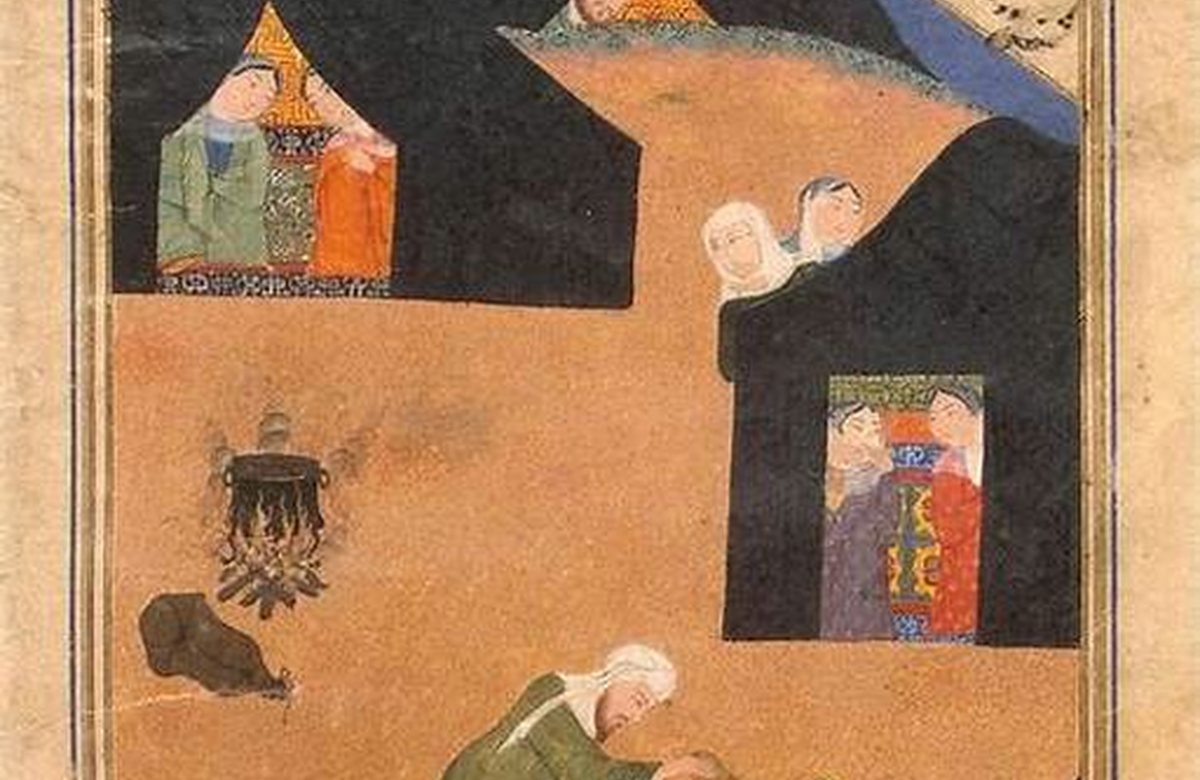
The easiest way to understand this subject is to resist the idea of a single, frozen “Persian style.” What we now call Persian art was shaped by changing dynasties, cities, materials and audiences. A closer look at Achaemenid visual culture, from monumental stone architecture to carefully ordered processional reliefs.
What to notice first
Persian architecture often organises experience through courtyards, axial views, shade, water, surface ornament and transitions between compressed and open space. Geometry is not merely decorative: it helps structure walls, domes, tile fields and the relationship between repeated parts and a larger whole.
For a contemporary buyer, this creates a useful balance between visual pleasure and informed judgement. When reading achaemenid design: stone, relief and procession, it is helpful to compare large-scale patronage with the quieter continuity of workshop knowledge. Changes in taste do not erase earlier habits; they rearrange them.
The historical setting
The safest care principle is minimal intervention: dry dusting, soft cloths and stable indoor conditions are usually better than strong cleaners or frequent polishing. If a piece combines materials, treat it according to the most vulnerable material rather than the toughest one.
Seen this way, the object becomes more than a souvenir; it becomes evidence of a process, a material choice and a particular visual culture. When reading achaemenid design: stone, relief and procession, it is helpful to compare large-scale patronage with the quieter continuity of workshop knowledge. Changes in taste do not erase earlier habits; they rearrange them.
How the visual language developed
Persian visual culture is best understood as a long sequence of changing courts, cities, workshops and trade networks rather than one timeless style. The V&A describes its Islamic Middle East collections as particularly strong in metalwork, ceramics, architectural woodwork and textiles from Iran, while the Metropolitan Museum traces major shifts across pre-Islamic, Timurid, Safavid and later periods.
That distinction matters because decorative complexity can hide poor finishing just as easily as it can reveal skill. When reading achaemenid design: stone, relief and procession, it is helpful to compare large-scale patronage with the quieter continuity of workshop knowledge. Changes in taste do not erase earlier habits; they rearrange them.
Why it still matters
Persian architecture often organises experience through courtyards, axial views, shade, water, surface ornament and transitions between compressed and open space. Geometry is not merely decorative: it helps structure walls, domes, tile fields and the relationship between repeated parts and a larger whole.
The strongest examples usually feel controlled rather than mechanically perfect: the eye can sense rhythm without losing the presence of the hand. When reading achaemenid design: stone, relief and procession, it is helpful to compare large-scale patronage with the quieter continuity of workshop knowledge. Changes in taste do not erase earlier habits; they rearrange them.
- Persian architecture often organises experience through courtyards, axial views, shade, water, surface ornament and transitions between compressed and open space.
- Geometry is not merely decorative: it helps structure walls, domes, tile fields and the relationship between repeated parts and a larger whole.
- The safest care principle is minimal intervention: dry dusting, soft cloths and stable indoor conditions are usually better than strong cleaners or frequent polishing.
Sources & further reading
- The Metropolitan Museum of Art — Heilbrunn Timeline: Persian and Safavid art
- Victoria and Albert Museum — Islamic Middle East collections
- British Museum — Ancient Iran gallery
This Journal is written as accessible editorial guidance, not as an attribution or authentication service. Dates, workshop practices and regional labels can vary by object.